Public Harassment, Social Media, and the Kerala Case: A Closer Look at a High-Profile Allegation and Its Aftermath
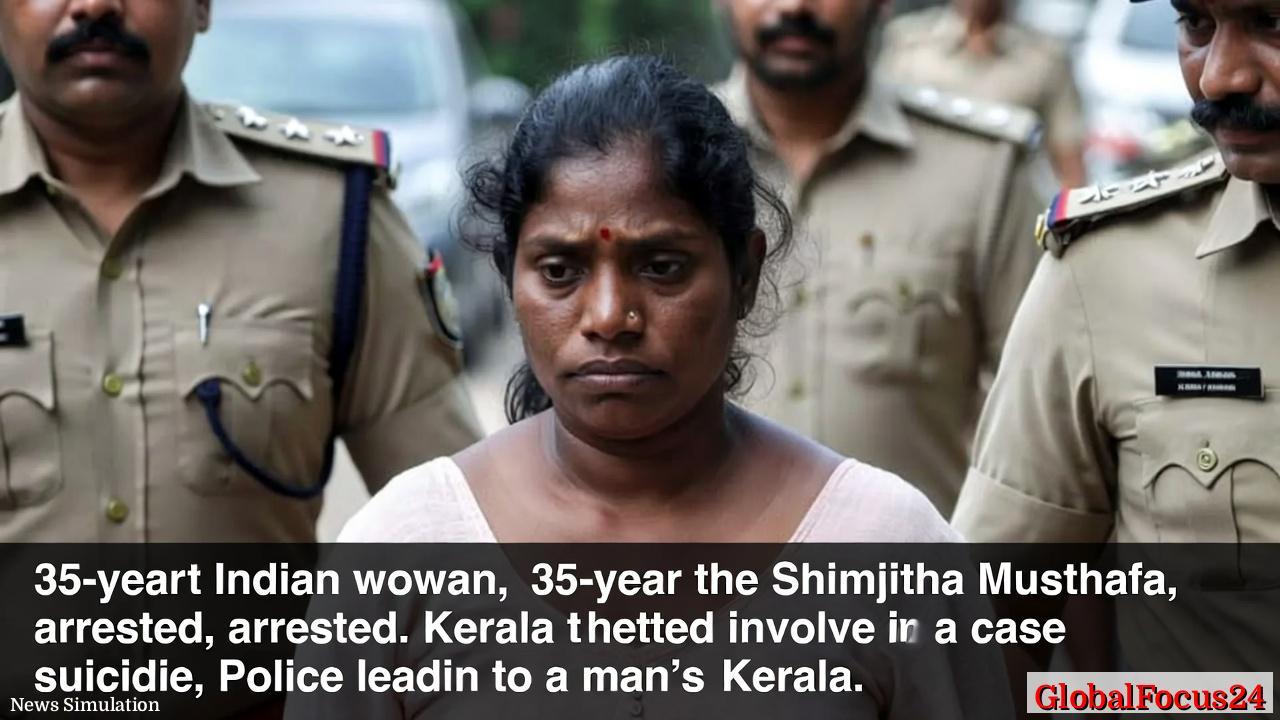
In a case that has ignited national discussions about sexual harassment, online accountability, and the boundaries of public recording, the state of Kerala faces a complex convergence of social dynamics, law enforcement, and media scrutiny. A 35-year-old content creator, Shimjitha Musthafa, has been arrested on charges linked to the suicide of Deepak U, a 42-year-old sales representative whose family says he endured extensive online harassment after a video circulated widely on social platforms. The sequence of events—alleged misconduct aboard a crowded bus, a viral video intended as a broader social message, subsequent public backlash, and a tragic death—has sparked debates about evidence, due process, and the responsibilities of individuals who document alleged wrongdoing in public spaces.
Historical context: public space, digital speaking, and the rise of personal accountability online India has long wrestled with how to address sexual misconduct in public settings, where crowded buses and sidewalks can become sites of confrontation, accusation, and risk. In recent years, the rapid spread of video evidence through social media platforms has amplified public exposure and, at times, amplified pressure on authorities to act quickly. This case sits at the intersection of two longstanding threads: the push for vigilantly addressing harassment in public spaces, and the concern that social media attention can overwhelm families and individuals, sometimes with lasting, unintended consequences.
The use of video as social evidence has become increasingly common. When a bystander records what appears to be inappropriate behavior and shares it online, the footage can mobilize public opinion, influence investigations, and shape reputations in minutes. Proponents argue that public scrutiny can deter misconduct and provide a form of witness testimony when institutions fail to respond promptly. Critics, however, warn of the potential for misinterpretation, manipulation, or sensationalism, urging clearer standards for consent, context, and the treatment of the individuals depicted.
Economic impact: reputational risk, local business, and press coverage The Kerala case has reverberated beyond social discourse into local economies and reputational dynamics. Businesses tied to the individuals involved—ranging from employers to community organizations—face reputational risk, especially in a region where public sentiment about gender-based violence and harassment can influence consumer behavior and workplace climate. Local media coverage and online discussion have kept the case in the public eye, potentially affecting tourism, public events, and civic engagement in the Kozhikode district and surrounding areas.
At the heart of the matter is a broader economic and social environment in which harassment discussions intersect with public safety, privacy concerns, and the economics of content creation. Influencers and creators are increasingly scrutinized for the ways they document sensitive incidents, including potential monetization aspects, whether explicit or implicit, through engagement metrics and audience growth. The case therefore touches on the delicate balance between raising awareness about social issues and ensuring that individuals’ rights are protected in the process.
Regional comparisons: how Kerala’s experience aligns with and diverges from other states Kerala has a distinct social and cultural landscape, with high literacy levels and strong urban centers that often drive extensive online conversations about social issues. In neighboring states and across the country, cases involving alleged sexual misconduct and the rapid dissemination of video evidence have produced a spectrum of outcomes, from swift legal action to prolonged investigations and public debates about due process.
- In coastal and urban hubs with dense media ecosystems, videos about alleged harassment frequently provoke swift public reactions, mobilizing both support for victims and criticism of online shaming. Local authorities there may face pressure to respond promptly, balancing transparency with thorough investigation.
- Within more conservative regions, public discussions about sexual misconduct can unfold cautiously, with heightened sensitivity to family reputation and community norms. In such contexts, communities may prefer measured, evidence-based approaches and formal reporting channels.
- Across India, the legal framework around abetment to suicide and related offenses has been used to address cases where social media activity is alleged to influence a person’s actions. However, the interpretation and enforcement of these provisions can vary depending on jurisdiction, investigative findings, and the evolving understanding of online behavior’s impact on real-world consequences.
Key legal and investigative developments The case has prompted formal legal proceedings, including the arrest of Shimjitha Musthafa on charges related to abetment to suicide. In India, abetment to suicide can carry serious penalties, reflecting the gravity with which authorities treat the alleged linkage between online content and a person’s decision to take their own life. Investigations undertaken by police in the Kozhikode district are expected to examine the sequence of events, the intent behind the video, and whether any actions by Musthafa constituted incitement, harassment, or deliberate facilitation of a tragic outcome.
The Kerala State Human Rights Commission has requested a detailed investigation report within a specified timeframe, signaling a formal mechanism for oversight and accountability in the process. Independent bodies like human rights commissions play a crucial role in reviewing police actions, safeguarding due process, and ensuring that investigations adhere to legal standards while recognizing the sensitivity of the allegations and the impact on those involved.
Public reaction and social dynamics Public sentiment around the case has been polarized, reflecting broader tensions in society about accountability, consent, and the responsibilities of content creators. Some commentators emphasize the necessity of documenting alleged sexual misconduct in public spaces to deter harmful behavior and to empower potential victims. They argue that the video acts as a catalyst for discussion, drawing attention to patterns of misconduct that might otherwise be overlooked.
Other voices caution against hasty judgments and online shaming, underscoring the risk that sensational content can contribute to a “trial by social media.” Critics of public shaming point to the potential harm to innocent parties and the possibility that the broader social conversation can be derailed by misinterpretation or incomplete information. In this view, the case highlights why media literacy, critical thinking, and robust verification processes matter when disseminating sensitive material online.
The role of women’s voices in public discourse emerges as a central theme. Many women share their own experiences of harassment, contributing to a more nuanced conversation about what constitutes appropriate behavior in crowded spaces. Others question why Musthafa did not report the incident immediately to authorities or choose a non-public route to address the alleged misconduct. These questions reflect a larger debate about the most effective and just channels for addressing alleged harassment, while respecting all parties’ rights and safety.
Implications for public policy and safety standards As the case continues to develop, policymakers and law enforcement agencies may consider several steps to strengthen public safety and accountability without compromising civil liberties:
- Clear guidelines for public documentation: Establishing standards around when and how bystanders can record and share footage of alleged misconduct, including consent considerations and the preservation of context.
- Support systems for alleged victims: Expanding access to counseling, legal guidance, and safe reporting channels for individuals who experience harassment in public places.
- Training for public transport staff: Enhancing awareness and response protocols for transit workers and security personnel when confronted with alleged misconduct, including mechanisms to report concerns while safeguarding privacy.
- Media literacy initiatives: Promoting critical media consumption and verification practices to help the public interpret online content more accurately and avoid hasty judgments based on incomplete evidence.
Public safety, privacy, and the ethics of recording The ethics of recording in public spaces has grown increasingly nuanced as cameras become ubiquitous in daily life. The Kerala case underscores the delicate balance between preserving the rights of the accused and the legitimate desire to expose wrongdoing. It also raises questions about the potential for misrepresentation, whether through selective editing, framing, or the absence of corroborating evidence.
Historically, public accountability movements have relied on a combination of witness testimony and documented evidence to effect social change. In the digital age, however, the speed and reach of online platforms heighten both the potential for rapid reform and the risk of unintended harm. As communities consider how to navigate these dynamics, a thoughtful approach—rooted in due process, accurate information, and compassion for those affected—will be essential.
Human stories behind thes Beyond the legal and policy dimensions, the Kerala case brings into sharp relief the human stakes involved. Deepak U’s family emphasizes that he was an ordinary person, a father, sibling, or relative who did not deserve to be subjected to relentless online harassment. Friends describe him as a decent man who faced a moment of distress on a crowded bus, ultimately dealing with the consequences of a public narrative that evolved quickly on digital platforms.
Shimjitha Musthafa, too, is navigating a rapidly evolving situation. As a content creator associated with a political organization, her actions are scrutinized through multiple lenses, including advocacy, public accountability, and the ethics of publishing provocative content aimed at sparking debate. The interplay of personal reputation, professional identity, and public perception becomes part of a broader conversation about how individuals can responsibly use digital platforms to address social issues without crossing lines that could harm others.
Conclusion: navigating a complex landscape of evidence, ethics, and public interest The Kerala case is more than a single incident; it is a focal point for ongoing debates about sexual harassment in public spaces, the power and peril of online dissemination, and the responsibilities of those who document alleged misconduct. As investigations proceed and legal processes unfold, observers will be watching how authorities balance the imperative to protect victims and hold wrongdoers to account with the equally important guarantee of due process for all parties involved.
In the broader perspective, this case illuminates a range of questions that societies across regions grapple with: How should communities respond when confronted with allegations of sexual misconduct in public settings? What safeguards ensure that online discourse remains fair and evidence-based rather than a rush to judgment? How can media literacy, legal standards, and civic dialogue evolve in tandem to uphold safety, dignity, and justice?
As Kerala, India, and the wider world continue to reflect on these themes, the case serves as a warning and a lesson alike: in an era of instantaneous information sharing, the pursuit of truth must be anchored in careful verification, respectful treatment of all individuals, and a commitment to upholding the core principles of justice and human rights. Public discourse may be intense, but processes that emphasize accuracy, empathy, and accountability stand as the cornerstone of credible reporting and fair resolution.