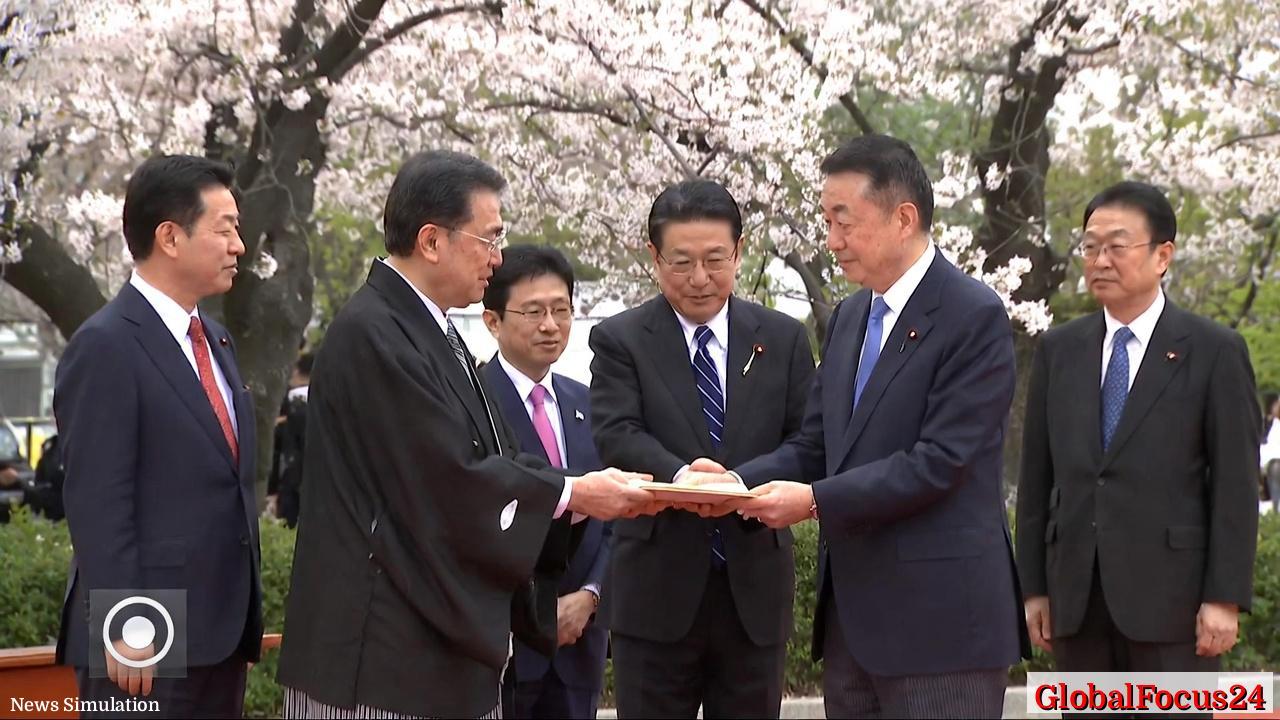
Japan Gift of 250 Cherry Blossom Trees to U.S. for 2026 Independence Anniversary Sparks Cultural and Economic Reflections
In a gesture that blends diplomacy, culture, and a shared history, Japan has announced the donation of 250 cherry blossom trees to the United States to commemorate America's 250th anniversary in 2026. The initiative echoes a landmark moment from 1912, when Tokyo donated more than 3,000 cherry trees to Washington, D.C., a gift that gave rise to the enduring National Cherry Blossom Festival and a lasting symbol of friendship between the two nations. The latest announcement signals a continued commitment to cultural exchange at a moment of renewed attention to transpacific ties, regional cooperation, and the evolving dynamics of the global economy.
Historical echoes and enduring symbolism The 1912 cherry tree donation by Tokyo’s mayor and a delegation of horticultural representatives marked a turning point in U.S.–Japan relations. The flowering trees, which bloom each spring along the Tidal Basin in the nation’s capital, became a potent symbol of resilience, renewal, and mutual respect. The National Cherry Blossom Festival, established to celebrate the flowering season and the friendship between the two countries, has grown into a broader cultural event that attracts visitors from across the United States and around the world. The 2026 donation of 250 trees reaffirms the enduring resonance of that original act, illustrating how a botanical emblem can become a durable instrument of diplomacy, tourism, and soft power.
Context within a broader historical arc highlights how cultural gifts translate into economic and social benefits. The 1912 trees helped catalyze an annual influx of visitors to Washington, fueling local hospitality, retail, and service sectors. In contemporary terms, such a gift aligns with similar practices by nations leveraging cultural diplomacy to foster people-to-people connections, which in turn support business relationships, collaborative research, and educational exchanges. The 2026 donation also occurs at a moment when public interest in climate resilience and urban greenery is high, underscoring the role of trees not only as symbols but as tangible contributors to urban livability.
Economic impact and regional considerations From an economic viewpoint, anchor events tied to ceremonial tree plantings and blossom-viewing seasons can deliver measurable benefits to regional economies. Local tourism operators, event organizers, and hospitality providers in affected areas typically experience a seasonal lift as travelers plan trips around peak bloom times. In Washington, D.C., the National Cherry Blossom Festival already serves as a major annual draw, and the introduction of additional cherry trees would naturally extend the cultural calendar, encouraging new itineraries that blend history, architecture, and nature.
Beyond the capital region, the supply chain implications of sourcing and transporting 250 cherry trees are nontrivial. Japan’s horticultural networks and U.S. ports of entry coordinate to ensure compliance with agricultural and phytosanitary standards, reflecting cross-border collaboration that supports sustainable trade practices. The logistics footprint—from grafted saplings to transport containers, soil acclimation, and planting schedules—requires coordination among growers, nurseries, and municipal authorities. In aggregate, these activities can create job opportunities in forestry, landscaping, and urban planning, while also presenting short-term costs for maintenance and monitoring during acclimation periods.
Regional comparisons further illuminate the potential impact. In major US metropolitan areas with strong cultural tourism sectors—such as San Francisco, New York, and Chicago—the infusion of cherry blossoms historically triggers concurrent art fairs, street markets, and family-oriented activities that diversify visitor profiles beyond traditional museum-goer demographics. Comparatively, coastal and inland regions with significant immigrant and heritage populations may experience heightened interest in cross-cultural programming, language-accessible tours, and educational outreach, all of which contribute to a more inclusive tourism economy. The 2026 gift thus carries the potential to stimulate regional travel planning, hotel occupancy, and restaurant activity across multiple states and municipalities connected by blossom-viewing routes and related festivities.
Public reception and social resonance Public reaction to ceremonial plantings and cross-border gifts tends to reflect a blend of pride, curiosity, and a sense of shared history. In communities where the National Cherry Blossom Festival is an annual rite, residents and visitors often describe the bloom as a reminder of resilience and renewal, sentiments that carry particular resonance in times of economic or cultural flux. The 2026 donation is likely to be framed by observers as a reaffirmation of friendship and a signal of cooperative spirit amid global challenges, including supply chain pressures, climate considerations, and geopolitical shifts.
Environmental and urban planning implications also figure prominently in public discourse. Urban forestry programs evaluate the ecological value of cherry trees, including pollinator support, shade provision, and urban heat mitigation. Planting 250 trees offers a modest but meaningful contribution to these objectives, especially if integrated with broader green infrastructure plans. Municipalities may coordinate with parks departments and horticultural societies to develop long-term maintenance plans, pruning schedules, and seasonal programming that maximizes educational value for local communities and visitors alike.
Cultural exchange, education, and workforce development The blossoms carry not only aesthetic appeal but also opportunities for education and workforce development. Schools, universities, and cultural institutions frequently organize study tours, language exchange programs, and collaborative projects centered on botany, history, and diplomacy. The 2026 gift could energize student-led research initiatives that explore the ecological properties of cherry varieties, the history of horticultural exchange, and the social impact of public festivals. Such educational activities often feed into broader workforce development goals, equipping participants with skills in event planning, conservation, and cross-cultural communication that are transferable to multiple career paths.
The role of media and digital storytelling should not be underestimated. Modern festival coverage—paired with social media campaigns and interactive exhibits—extends the reach of the cherry blossom story far beyond national borders. Tourism boards, cultural ministries, and partner organizations typically collaborate to create immersive experiences, including virtual tours, historical narratives, and citizen journalism projects. These efforts reinforce the economic value of the gift by broadening the audience and encouraging longer stays, repeat visits, and cross-regional travel.
Global connections and regional comparisons Japan’s gesture sits within a broader ecosystem of cultural diplomacy that includes museum exchanges, artist residencies, and collaborative research endeavors. For the United States, the gift reinforces a long-standing pattern of transpacific engagement that spans trade, technology, and education. The economic implications extend to sectors such as agriculture, landscaping, and specialty horticulture, where demand for specific cherry varieties and grafting techniques can influence market dynamics and innovation pipelines.
Comparisons with other historical gifts or cultural exchanges reveal a spectrum of outcomes. When nations invest in symbolic plantings or commemorative installations, the effects can range from heightened tourism and brand recognition to deeper academic collaborations and people-to-people ties. The cherry blossom narrative remains one of the most enduring and recognizable symbols of cross-cultural friendship, with a track record of catalyzing conversations that bridge language, tradition, and shared aspirations for peaceful cooperation.
Planting logistics and implementation considerations The practical steps behind a donation of this scale involve careful planning. Planting sites must be identified with consideration for sunlight, soil conditions, and accessibility, ensuring that the trees have long-term viability and public visibility. Coordinating with local authorities, arborists, and horticulturists is essential to schedule planting ceremonies that align with peak blooming periods and to develop maintenance regimes that safeguard tree health for decades.
In addition to the initial planting, ongoing management includes irrigation planning, pest management, pruning, and disease monitoring. Community engagement plays a critical role in sustaining interest and care for the trees, with volunteer programs often supporting tree care, educational tours, and blossom-viewing events. The result is a collaborative effort that strengthens civic pride while creating a living backdrop for residents and visitors to connect with nature and history.
Public policy and international collaboration Public policy considerations accompany symbolic gifts of this kind. Governments typically use such moments to highlight strategic partnerships, cultural heritage preservation, and investment in sustainable infrastructure. The donation can dovetail with broader initiatives in climate resilience, urban green space expansion, and the promotion of science-based conservation practices. By framing the gesture within a policy context, officials can demonstrate a commitment to long-term mutual benefit and shared stewardship of natural resources.
International collaboration extends beyond ceremonial aspects. Coordinated cultural programming, joint research projects, and exchanges between academic institutions can strengthen ties and provide tangible benefits to scientists, educators, and students. The 2026 cherry blossom gift thus serves as a catalyst for ongoing collaboration that transcends one-time symbolism, fostering a durable platform for cooperation in science, culture, and education.
Conclusion The planned donation of 250 cherry blossom trees from Japan to the United States in 2026 adds a meaningful chapter to a centuries-long narrative of cultural exchange and friendship. Rooted in the historic 1912 gesture, the new addition reinforces the idea that plants, festivals, and shared memories can become powerful vehicles for diplomacy and economic vitality. As communities prepare to welcome the blossoms, the public can anticipate not only a visual spectacle but also opportunities for education, tourism, and cross-cultural collaboration that contribute to a more interconnected regional and national landscape. The trees symbolize continuity—an evergreen reminder that friendship, like a well-tended grove, requires ongoing care, collaboration, and a shared commitment to a brighter, greener future.