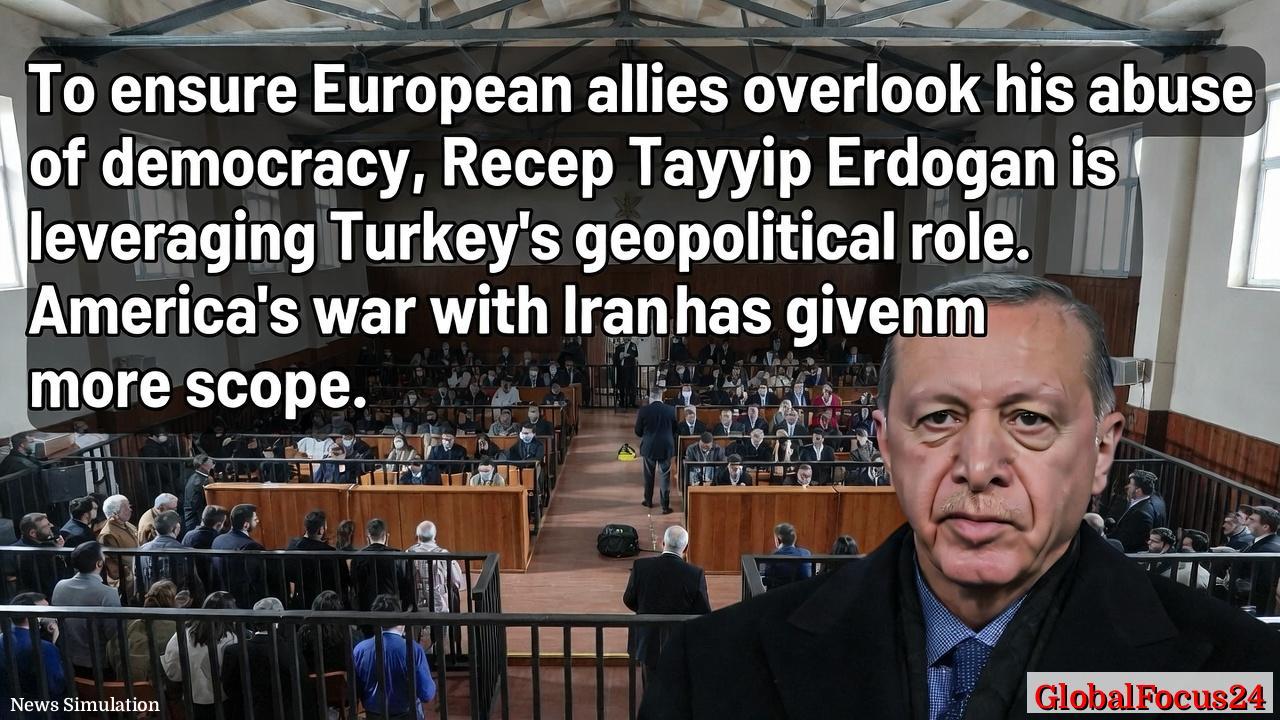
Turkish Political Trial and Regional Influence: A Turbulent Moment for Istanbul’s Mayor and a Nation at a Turning Point
In a landmark development unfolding in the Turkish judiciary, Istanbul Mayor Ekrem Imamoglu stands at the center of a sprawling corruption case that could have profound implications for Turkey’s political landscape and its regional role. The trial, initiated at Silivri Prison’s expansive courtroom complex, features Imamoglu among more than 400 co-defendants and encompasses an indictment that spans over 3,700 pages and 142 charges. The charges range from graft and embezzlement to espionage and leading a criminal organization through tender-rigging and bribery, with a potential cumulative sentence far exceeding two millennia in prison if convicted on all counts. The proceedings, expected to endure for years, mark a dramatic chapter in the country’s modern political saga and merit close, objective examination for observers at home and abroad.
Historical context: a city’s ascent and a nation’s political theater Istanbul’s political landscape has long been a bellwether for Turkey’s broader governance dynamics. Imamoglu rose to national prominence after his 2019 municipal victory—an upset that resonated across Turkish politics and underscored a shift in urban governance, pluralism, and civic engagement within the country’s largest city. The current trial, occurring amid a prolonged economic and social adjustment period, intersects with decades of Turkey’s struggle to balance centralized authority with regional autonomy, market reforms, and the pressures of geopolitical alignments.
Historically, Turkey’s political system has oscillated between centralized decision-making and efforts to expand local governance and civil society participation. Imamoglu’s rise symbolized a broader appeal for transparent municipal governance and a reformist agenda at the city level. Now, the course of his legal case—whether it advances into long-term detention, acquittal, or a negotiated settlement—could reverberate beyond Istanbul’s municipal sphere, influencing national party dynamics, voter sentiment, and public trust in institutions.
Economic impact: implications for markets, investment, and regional trade From an economic perspective, the Imamoglu case arrives at a time when Turkey seeks to navigate inflationary pressures, currency volatility, and a complex external environment shaped by regional security considerations and global energy markets. The proceedings can influence investor confidence in Turkey’s governance framework, the predictability of public procurement processes, and the stability of local government finances. A protracted trial increases uncertainty around procurement transparency, tender practices, and urban development projects—factors that historically affect municipal budgets, debt levels, and project timelines.
For regional markets, Istanbul remains a critical hub for finance, logistics, and commerce. The city’s governance quality—perceived by domestic and international investors as a proxy for broader policy reliability—can influence capital inflows and credit conditions. In this context, the trial indirectly contributes to assessments of Turkey’s medium-term economic trajectory, including the potential for foreign direct investment, tourism recovery, and the resilience of small businesses that depend on public contracting and urban infrastructure programs.
Regional comparisons: Istanbul versus peers in Europe and the Middle East When compared to major metropolitan centers in Europe and the Middle East, Istanbul’s governance challenges reflect a broader regional pattern: cities balancing rapid growth with the need for institutional integrity and transparent governance. In Europe’s mature market democracies, mechanisms for checks and balances, procurement oversight, and judicial independence tend to reduce the likelihood that political disputes escalate into protracted legal battles with wide-ranging political consequences. In the Middle East, where political systems and institutional frameworks vary widely, the emphasis often centers on stability, economic diversification, and the management of large-scale public-sector programs. Turkey’s experience sits at an intersection, illustrating how urban leadership, national politics, and legal processes can interact during periods of geopolitical flux.
Public reaction: a mix of concern, hope, and scrutiny Public sentiment surrounding Imamoglu’s trial is likely to be polarized, reflecting broader national debates about corruption, democratic accountability, and the management of Turkey’s economic headwinds. Supporters may view the proceedings as a partisan effort to neutralize a strong challenger ahead of presidential contests, while opponents may emphasize the necessity of enforcing legal standards regardless of political affiliation. Civil society groups and business associations are sending mixed messages—calling for due process and rule-of-law adherence, while also highlighting the crucial need for transparency and integrity in procurement and tendering processes that shape urban development and economic activity.
Judicial process and governance implications The scale and scope of the indictment underline Turkey’s willingness to deploy a comprehensive legal framework to address alleged misconduct in public procurement and governance. The ongoing nature of the case means that conclusions will likely emerge through a sequence of judicial stages, appeals, and potential settlements. The outcome could influence institutional perceptions of judicial independence, the integrity of anti-corruption efforts, and the political viability of high-profile actors on both sides of the national divide. Observers will watch for signals about how Turkey’s courts handle complex, multi-defendant cases that touch on political leadership, public finance, and civil administration.
Strategic considerations for policymakers For policymakers within Turkey and among its regional partners, several strategic considerations emerge from this development:
- Ensuring transparent governance: The case spotlights the importance of clear procurement rules, robust tender oversight, and independent auditing to deter corrupt practices and to reassure investors and citizens.
- Balancing reform with stability: As Turkey pursues economic reforms and modernization of infrastructure, maintaining a stable policy environment is essential to sustaining investor confidence and private sector participation.
- Managing regional influence: Turkey’s evolving role in regional geopolitics, including its relationships with Western partners and Middle Eastern actors, is intertwined with its domestic governance narrative. A credible, transparent legal process can support a more predictable stance in international engagements.
- Addressing inflation and growth: The macroeconomic backdrop—characterized by inflationary pressures, currency fluctuations, and a need for sustainable growth—means public confidence in governance matters for both consumer sentiment and business planning.
Public interest and media literacy: staying informed As this story evolves, readers are encouraged to seek information from multiple sources and to differentiate between legal proceedings and political narratives. Complex legal cases often unfold over extended periods, with new developments shaping opinions and policy implications. The emphasis on evidence, due process, and unbiased reporting can help maintain a clear understanding of how such cases influence governance and the broader economic landscape.
Conclusion: a pivotal moment with lasting consequences The trial of Ekrem Imamoglu, set against the backdrop of Turkey’s ambitious urban and economic agenda, represents a pivotal moment in the country’s recent history. Its trajectory will not only affect the political fortunes of a prominent opposition figure but also illuminate how Turkey navigates the interplay of judiciary independence, municipal governance, and national strategy in a rapidly changing regional environment. As Turkey continues to balance domestic priorities with its global partnerships, the outcome of this case will likely be weighed by observers seeking to understand whether the nation can maintain continuity in development while upholding the tenets of transparency and accountability that are essential for long-term stability and prosperity.