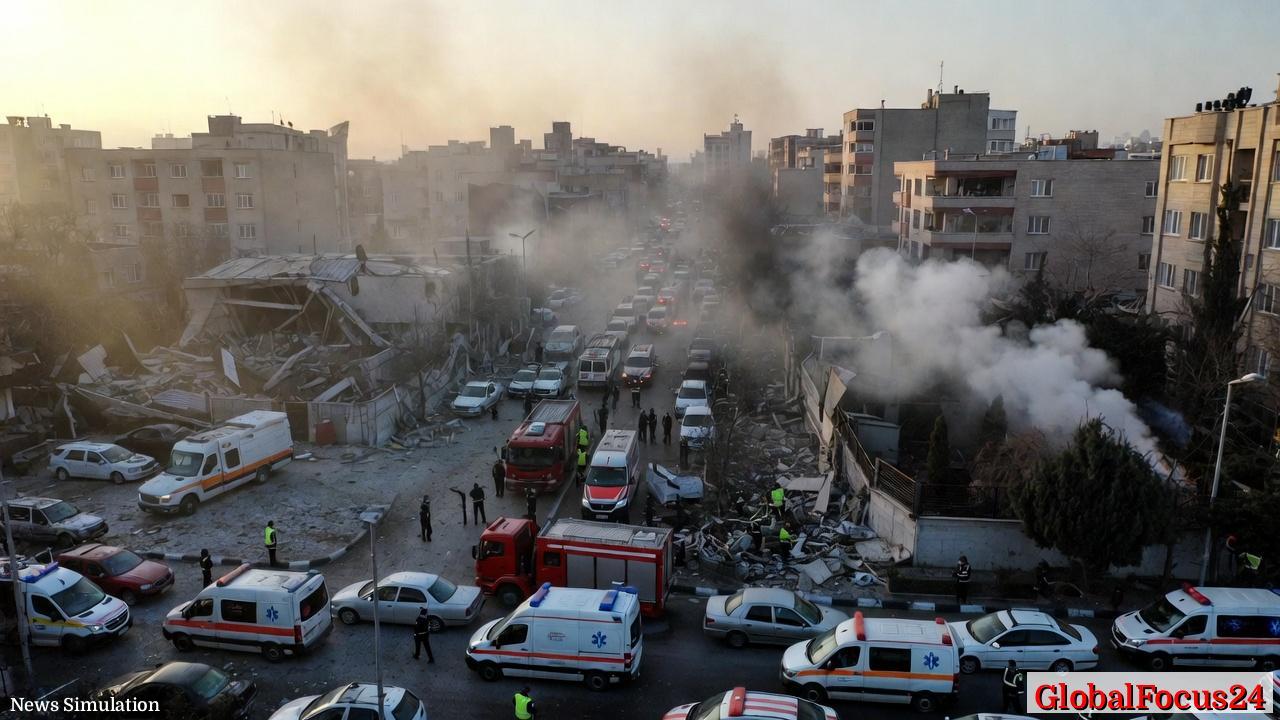
Israel-iran intelligence strike in Tehran prompts regional recalibration and global scrutiny
An overnight targeted operation in Tehran has killed Esmail Khatib, Iran’s intelligence minister, in what officials described as a precision strike designed to degrade Tehran’s security apparatus. The killing, confirmed by Israeli Defense Minister Israel Katz, marks a dramatic escalation in long-simmering tensions between Israel and Iran and raises a host of questions about regional stability, the safety of intelligence networks, and the potential ripple effects across the Middle East and beyond.
Historical context: a long arc of covert warfare and strategic brinkmanship
The confrontation between Israel and Iran stretches back decades, anchored in competing visions for regional influence and diverging interpretations of security threats. Iran’s intelligence ministry has historically played a central, albeit shadowy, role in shaping Tehran’s internal security and its foreign-policy leverage across the region. For Israel, which cites existential threats from its neighbors and a history of clandestine operations abroad, such strikes have become a form of deterrence and preemptive action that aims to disrupt capabilities before they can be deployed.
In this broader arc, the latest strike appears to fit a recurring pattern: high-value leadership targets removed in a manner designed to signal resolve, disrupt operational capabilities, and influence the strategic calculus of multiple regional actors. The timing, in a period of shifting alliances and economic pressure across the Middle East, underscores how intelligence warfare has become a central front in the ongoing contest for regional power.
Economic impact: energy markets, defense spending, and risk premia
The incident reverberates through energy markets and regional investment sentiment. Tehran’s access to intelligence-related assets and its capacity to coordinate security measures for critical infrastructure could intensify spending on security, surveillance, and counterintelligence, with downstream effects on public and private sector budgets. For oil and gas markets, the risk premium on geopolitical tension tends to rise in the immediate aftermath of such strikes, even if near-term production levels remain unchanged. Traders monitor supply routes, including those in and out of the Gulf and across European and Asian markets, to gauge potential disruptions or volatility that might affect refined product prices and long-term energy contracts.
The broader economic implications extend to the defense sector as well. A visible escalation often correlates with sustained demand for intelligence and security technologies, including cyber defense, reconnaissance systems, and mobility protection for critical facilities. Suppliers and manufacturers in allied economies—where defense contracts form a meaningful part of GDP—could experience a temporary uplift in orders, while potential sanctions or countermeasures can introduce market volatility and diversification incentives for firms accustomed to risk in this region.
Regional comparisons: lessons from past escalations
To understand the potential trajectory, it helps to compare this event with previous episodes in the Iran-Israel security dynamic. Past incidents have shown that targeted strikes can lead to a multi-layered response: retaliatory rhetoric, limited operational countermeasures, and intensified security drills across affected regions. In some cases, the global financial community has priced in heightened risk premiums for assets tied to the region, while neighboring markets have demonstrated resilience through hedging and diversification. The interplay between intelligence operations and economic signals is a reminder that conflicts of this nature increasingly blend security and market dynamics.
Public reaction and geopolitical signaling: who gains, who bears the cost
Public responses typically hinge on perceived legitimacy, the clarity of the objectives, and the expected aftermath. In many cases, such operations are framed by official spokespeople as necessary steps to prevent imminent threats and to protect civilian populations. Yet, the risk of miscalculation remains high: misidentification, escalation spirals, or unintended consequences can alter the strategic balance in unpredictable ways.
For regional actors, the strike may reshape calculations around diplomacy, deterrence, and alliance formation. Countries weighing their posture in the Middle East could adjust security policies, strengthen intelligence-sharing mechanisms, or recalibrate defense strategies to reflect a more volatile threat environment. In global terms, the incident underscores how small changes in leadership-level targeting can influence perceptions of safety, risk, and the reliability of regional stability.
Operational implications: intelligence architecture under strain
The loss of a senior intelligence figure can have immediate operational consequences. Across intelligence agencies, leadership turnover often prompts reorganizations, shifts in priorities, and changes in risk tolerance. If Tehran views its current security network as compromised or penetrated, it may accelerate reforms, deploy contingency countermeasures, and intensify information security protocols. This, in turn, can affect everything from counterintelligence training to the protection of sensitive facilities and personnel.
Meanwhile, Israel’s decision to publicly confirm the strike signals a willingness to use transparency as a deterrent and a reputational tool. Such declarations can influence international perceptions of the credibility of preemptive actions and set expectations for future responses in similar situations. The balance between public attribution and covert operations remains a delicate one, with consequences for international norms and the norms governing state behavior in the realm of covert warfare.
Geopolitical repercussions: alliances, sanctions, and diplomacy
The strategic landscape in the aftermath of a high-profile strike is characterized by recalibrations rather than static positions. Regional alliances could shift as states reassess vulnerabilities and the value of security partnerships. For some actors, alignment with Iran or with rival blocs may gain or lose traction depending on how they interpret the credibility and limits of the strike. Economic tools—sanctions regimes, trade corridors, and investment flows—could respond to evolving perceptions of risk and stability in the region.
Diplomacy during such periods often concentrates on de-escalation channels and crisis-management mechanisms. While overt political statements can be part of the narrative, many governments prefer to pursue quiet diplomacy to prevent misinterpretations or inadvertent escalations that could hamper civilian safety and regional commerce. The global community typically advocates restraint, while monitoring the situation for signs of broader contagion or spillover effects into neighboring markets and security environments.
Public safety and regional resilience: a community-focused perspective
Beyond the corridors of power, the event prompts communities to reflect on safety, security, and resilience. In major metropolitan areas and key economic hubs, authorities emphasize continuity plans, emergency readiness, and clear communication with the public about potential risk factors. Local officials often coordinate with national security agencies to ensure effective information sharing and to minimize disruption to daily life and business operations.
In regions with extensive cross-border trade and strong defense-industrial sectors, the incident underscores the importance of resilient supply chains and diversified sourcing. Businesses may review their risk management practices, including scenario planning for supply disruptions, energy price volatility, and potential sanctions-related contingencies. For residents, the emphasis remains on verified information, credible authorities, and measured responses that avoid sensationalism while highlighting practical steps to stay informed and prepared.
Conclusion: an inflection point with enduring implications
The overnight strike that resulted in the death of a senior Iranian intelligence official represents a significant moment in the ongoing contest between Tehran and Tel Aviv. While the immediate tactical objective appears to be the disruption of Iran’s intelligence capabilities, the broader strategic implications touch economics, regional security, and international diplomatic calculations. As markets respond to a new layer of risk and as security establishments adjust to potential shifts in operational doctrine, observers will watch how Tehran and allied actors respond in the weeks and months ahead.
The current environment remains dynamic and uncertain. Policymakers, business leaders, and communities must balance vigilance with measured engagement, recognizing that stability in a region as interconnected as the Middle East often depends on a careful blend of deterrence, diplomacy, and resilience. The world will be watching how these developments unfold, with particular attention to humanitarian impacts, energy security, and the continuity of global trade in a time of elevated geopolitical risk.