Israel Launches Preemptive Strike on Iran: Global Repercussions Ripple Through Markets and Alliances
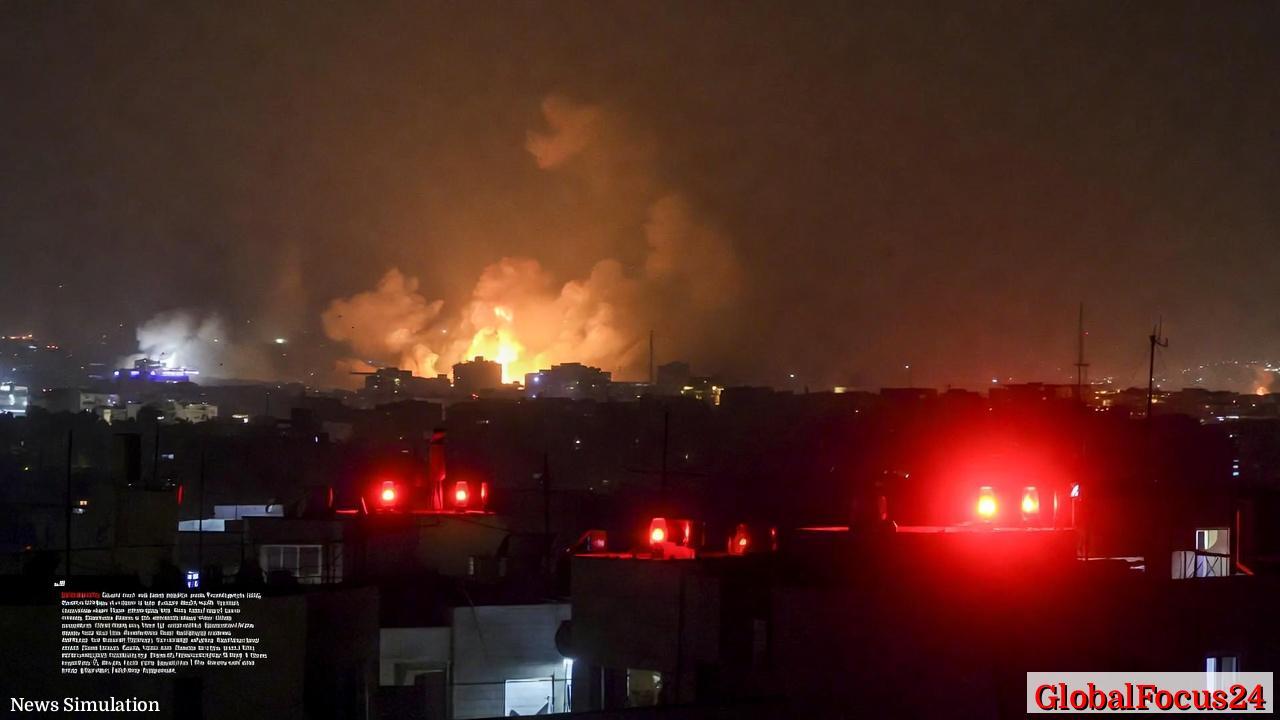
In a development that reverberates across Middle Eastern stability and global energy markets, Israel announced a preemptive military strike targeting Iranian facilities, citing imminent threats to regional security. Early reports describe a series of explosions at multiple sites, with red alert status issued by Israeli authorities and heightened alarms across capitals concerned about escalation. The incident marks a dramatic turn in a decades-long geopolitical saga, underscoring the fragility of regional deterrence frameworks and the sensitivities of international diplomacy.
Historical Context: A Century of Tensions and Deterrence Cycles
The recent action sits within a long arc of conflict and containment strategies that have shaped the security landscape of the Middle East since the mid-20th century. The establishment of rival blocs, shifting alliances, and recurrent cycles of escalation have defined how nations respond to perceived strategic threats. Iran’s nuclear program, its regional proxies, and Israel’s own security calculus have been central to this dynamic, with international negotiators repeatedly attempting to broker verifiable restraints in exchange for economic and political concessions.
Preemptive strikes have historically been controversial tools in the toolbox of national security. In some eras, they deter or degrade adversaries’ capabilities; in others, they provoke broader confrontation or draw in external powers with competing interests. Analysts note that the effectiveness of a preemptive attack depends on the target’s resilience, the speed of enemy mobilization, and the broader geopolitical climate. The latest move will be judged by how it affects not only Iran’s strategic posture but also the durability of regional deterrence, the integrity of alliances, and the reliability of intelligence-sharing networks among close partners.
Economic Impact: Markets Adjust to Uncertainty and Supply Risk
Global financial markets typically respond to sudden geopolitical shocks with swift risk reassessment. Energy markets, in particular, react to perceived supply constraints and disruption risk. While the immediate impact depends on the severity and geographic spread of the damage, traders watch for signals about crude and refined product flows, refinery operations, and transportation chokepoints in the Persian Gulf and surrounding corridors. Insurance costs for shipping through strategic chokepoints can rise, influencing freight rates and the cost of imported goods in economies that rely on regional energy and trade routes.
Beyond energy, defense-related sectors often see a shift in investment and sentiment. Companies tied to aerospace, cybersecurity, and intelligence services may experience heightened demand as nations recalibrate readiness, resilience measures, and modernization programs. Meanwhile, multinational corporations with exposure to regional markets face currency volatility, supply chain recalibration needs, and increasing regulatory scrutiny as governments consider additional sanctions, export controls, or diplomatic responses.
Regional Comparisons: Parallels Across Nuclear Sanctions and Deterrence Episodes
History provides several benchmarks for understanding potential outcomes. In past episodes where regional powers engaged in limited, high-stakes confrontations, several patterns have emerged:
- Short-term spikes in geopolitical risk premiums: Investors demand higher returns on assets perceived as riskier, leading to currency volatility and elevated hedging costs.
- Shifts in alliance dynamics: Countries with shared strategic concerns may strengthen tacit cooperation, while others recalibrate their posture toward nuclear nonproliferation and regional balance of power.
- Sanctions and regulatory responses: Economic measures often accompany escalations, even when direct military action is limited, to constrain potentially dangerous capabilities and deter further aggression.
- Public sentiment and humanitarian considerations: Local populations frequently bear the brunt of regional instability, with emergency planning, civil defense measures, and humanitarian aid efforts moving to the forefront of public discourse.
In comparing this incident to prior episodes, observers highlight the importance of credible communication from leadership, rapid de-escalation channels, and transparent assessments of collateral risk to civilians and essential infrastructure. Regions with historically robust market resilience and diversified energy portfolios may weather volatility more effectively, while economies with high exposure to energy imports could experience sharper short-term moves.
Geopolitical Ramifications: Alliances, Deterrence, and the Risk of Escalation
The broader geopolitical landscape will be shaped by how key actors respond. Allies of Israel and Iran, as well as global powers with strategic interests in the region, will be watching for signs of escalation control or widening conflict. The role of international institutions in mediating a return to dialogue is likely to come under renewed emphasis, even as member states may differ on assessments of responsibility and appropriate responses.
For governments in nearby regions, the immediate focus tends to be internal security, civil defense readiness, and reassessment of energy and transportation logistics. Diplomats may prioritize back-channel communications to prevent misinterpretations that could lead to inadvertent clashes or miscalculated military responses. In capitals far from the conflict zone, policy makers weigh the long-term strategic trajectories—whether this moment accelerates steps toward nuclear risk reduction, regional arms control norms, or a renewed emphasis on deterrence postures.
Public Reaction: Societal Pulse Amid Uncertainty
Across affected and neighboring societies, public sentiment often oscillates between fear, resilience, and calls for stable, reliable information. Local communities may increase participation in emergency preparedness drills, while businesses factor in the potential disruption to supply chains and labor markets. Media coverage tends to reflect a mix of concern over immediate security implications and a cautious optimism that escalation can be avoided through diplomatic channels. Civil society organizations frequently advocate for humanitarian protections and practical assistance to those most affected by any ensuing instability.
Operational and Strategic Implications for Security Posture
Defense planners and security analysts will be assessing several key factors in the days and weeks ahead:
- Deterrence credibility: How will this strike affect adversaries’ calculations about risk, costs, and potential gains from future aggression?
- Intelligence and counterintelligence: Will there be changes in how allied intelligence-sharing platforms operate, and how rapidly can agencies adapt to emerging threats?
- Military readiness and resilience: Nations may adjust training, refurbishment of stockpiles, and readiness exercises to reflect an altered threat environment.
- Energy and transportation security: Operators of critical infrastructure may bolster protective measures around supply routes, ports, and storage facilities.
- Diplomatic channels: The speed and tone of diplomatic engagement will influence whether the conflict remains contained or spills into broader confrontations.
Regional Infrastructure: Critical Routes Under Watch
The region’s infrastructure is central to the global supply chain. Major energy corridors, shipping lanes, and trade routes pass through maritime chokepoints that, if disrupted, could reverberate worldwide. Countries in the area and beyond monitor the safety of air and sea routes, with port authorities and maritime security services coordinating to minimize disruption and maintain commerce. Retailers, manufacturers, and service industries in global markets also keep a close eye on commodity prices, shipping insurance premiums, and the availability of refined petroleum products that could be affected by sudden shifts in supply dynamics.
Long-Term Outlook: Stability, Reform, and Recovery
Analysts emphasize that the long-term impact will hinge on whether the action catalyzes a broader regional realignment or provokes a contained response that preserves a fragile status quo. If diplomatic engagement can resume quickly, there is potential for negotiated constraints on further escalation, coupled with confidence-building measures that reassure regional neighbors. Conversely, failure to de-escalate could prompt a cycle of retaliation, eroding confidence in regional security architectures and complicating international efforts to address nonproliferation concerns through existing frameworks.
Investors and policymakers alike must grapple with uncertainty while focusing on mechanisms to protect civilian populations and ensure continuity of essential services. Central banks may consider liquidity provisions or macroprudential tools to cushion any abrupt financial spillovers, while energy ministries review strategic reserves and contingency planning to maintain supply stability. In markets that have become increasingly sensitive to geopoliticals, participants may seek hedges and diversify exposure to mitigate downside risk.
Global Energy Market Context: Dependency and Diversification
The incident arrives at a moment when many economies are pursuing diversification away from single-source energy dependencies to enhance resilience. Countries with diversified energy mixes, including renewables, natural gas, and strategic oil reserves, may feel more capable of absorbing shocks from international disturbances. In contrast, economies with heavy reliance on regional energy imports face amplified price volatility and potential supply interruptions. Analysts note that long-term energy security strategies—such as expanding LNG import capabilities, accelerating clean energy transitions, and investing in storage facilities—could gain renewed urgency as policymakers evaluate resilience against a broader spectrum of geopolitical risks.
Regional Comparisons: Neighboring States’ Preparedness
Countries within the broader geographic area have varying levels of preparedness and exposure. Those with well-developed energy import infrastructure and diversified supplier networks often demonstrate greater resilience to sudden supply disruptions. Others, facing tighter budgets or less diversified energy portfolios, may experience sharper short-term impacts on domestic prices and inflation. Across borders, governments coordinate civil defense measures, emergency services readiness, and public information campaigns to maintain calm and ensure accurate, timely updates reach citizens.
Environmental and Humanitarian Considerations
While the immediate strategic and economic dimensions dominates, environmental and humanitarian concerns remain integral to assessing the full impact of any military action. Potential collateral damage to ecosystems, water resources, and air quality, along with humanitarian needs of affected communities, require close monitoring. International aid organizations and regional partners typically engage in rapid assessments to deliver assistance, protect vulnerable populations, and facilitate safe evacuations where necessary.
Conclusion: A Moment of Transition for Security and Stability
The developing situation underscores the fragile balance between deterrence and diplomacy that has long governed regional security in this part of the world. As nations observe the evolving dynamics, the priority remains clear: prevent further escalation, safeguard civilian lives, and pursue avenues for a measured return to dialogue. Market participants, policymakers, and communities will be watching for messages of restraint, credible commitments to de-escalation, and concrete steps toward stability that can anchor confidence in a volatile era.
Notes for readers seeking deeper context include examining past arms-control negotiations, regional security arrangements, and the economic consequences of sustained geopolitical stress. A comprehensive understanding of how historical patterns inform current decisions can illuminate the paths forward as governments navigate a complex landscape of interests, risks, and responsibilities.