Iran in the Crosswinds: Nuclear Aspirations, Regional Tensions, and Economic Implications
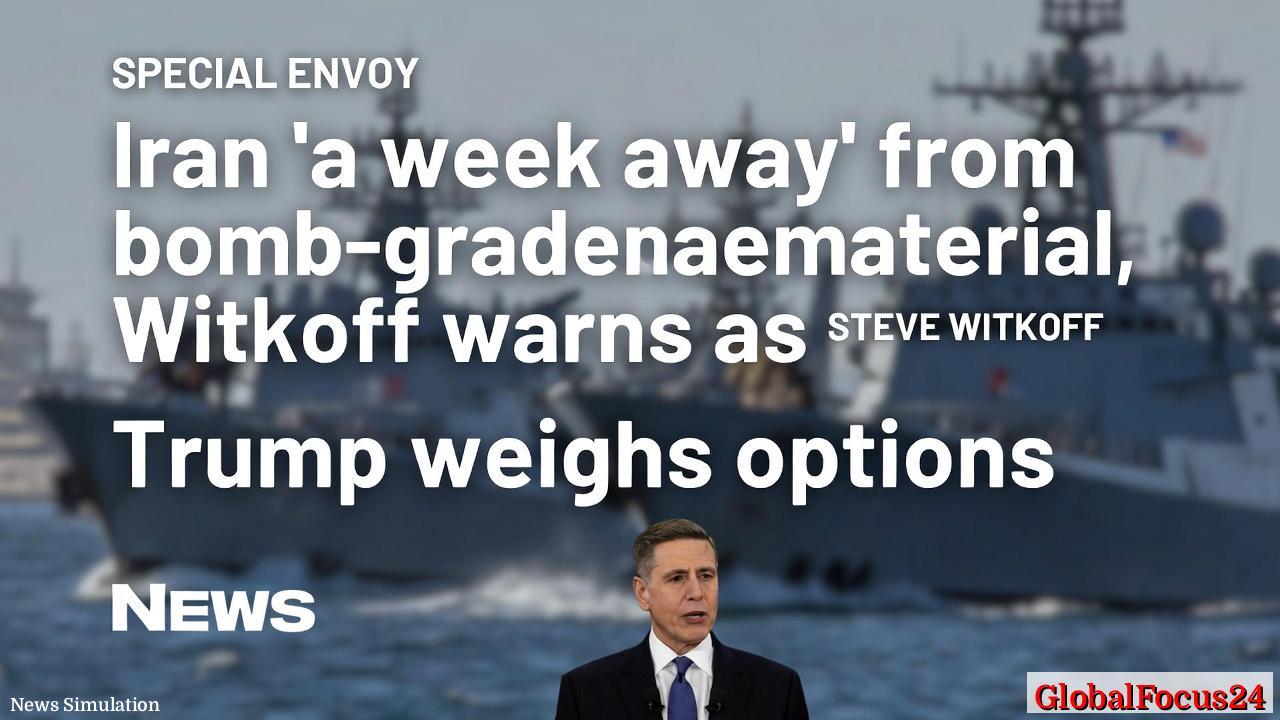
The latest assessments of Iran’s nuclear program have intensified fears about a rapid advance toward industrial-scale enrichment, at a moment when regional stability, U.S. policy, and global energy markets are closely intertwined. Intelligence and diplomatic briefings in early 2026 indicate that Iran’s uranium enrichment activities have approached levels that civilian programs would deem untenable, raising alarms about the potential rapid production of weapon-grade materials. Although the United States and its regional partners have sought to deter such progress, Tehran has pressed forward with its nuclear ambitions amid broader strategic calculations. This article places the situation in context, tracing historical developments, economic ramifications, and regional comparisons to illuminate the stakes for policymakers, markets, and ordinary citizens.
Historical context: a long arc from negotiated limits to renewed contest Iran’s nuclear journey has followed a turbulent arc marked by periods of negotiation, sanctions, and strategic posturing. After decades of program development and international concern, the 2015 Joint Comprehensive Plan of Action (JCPOA) sought to constrain enrichment activity in exchange for sanctions relief. In the years that followed, political shifts in both Tehran and Washington reshaped the landscape. When the United States unilaterally exited the JCPOA in 2018 and reimposed comprehensive sanctions, Iran responded by reducing compliance, expanding its stockpile and enrichment capacity incrementally. The 2020s saw periodic rounds of diplomacy interspersed with warnings of red lines and “zero enrichment” thresholds framed by security officials and policymakers. Against this backdrop, 2026 developments—should enrichment achieve industrial-scale capability—would mark a notable pivot from confidence-building diplomacy to heightened deterrence and strategic recalibration across bilateral and regional fronts.
Technical indicators and the threshold question Enrichment levels are a primary signal of capability. Enrichment up to around 60 percent in uranium-235 is widely considered near the upper end of what is required for civilian research reactors or medical isotope production, but it also sits within a technical corridor that could be further enriched toward weapons-grade thresholds. The diffusion of such capabilities introduces a complex challenge: the same enrichment technology can be diverted into peaceful uses or diverted toward weaponization depending on design, containment, and monitoring. Observers emphasize that the presence of industrial-scale bomb-making material would not only alter the technical landscape but also reshape the strategic calculus of adversaries and allies alike. In this environment, verification mechanisms, intelligence assessments, and regional operations intersect with political signaling to influence risk perception.
Economic impact: energy markets, sanctions, and investment dynamics The prospect of Iran achieving industrial-scale bomb-making capacity has multifaceted economic ramifications that ripple through energy markets, financial systems, and regional trade networks.
- Energy markets and oil trade: Iran sits at a pivotal crossroads for energy routes in the Persian Gulf and the broader Middle East. Heightened tensions around nuclear proliferation tend to disrupt risk assessments among global oil traders. Even modest shifts in regional security perceptions can influence shipping insurance costs, tanker routes, and price volatility. If a confrontation or escalation materializes, buyers and insurers adjust risk premia, potentially widening spreads on crude and refined products.
- Sanctions regime and financial flows: The international response to nuclear developments typically involves targeted sanctions and export controls. For a country with significant energy and petrochemical sectors, sanctions can constrain access to foreign capital, technology, and favorable trade terms. The resulting capital discipline can slow domestic investment, affecting workforce dynamics, inflation, and public services. Conversely, the prospect of negotiated constraints or de-escalation can unlock currency stability and predictable financing, bolstering private sector confidence in non-nuclear sectors.
- Domestic economics and social welfare: Sanctions regimes have a pronounced impact on domestic prices for staples, while government spending often reallocates toward security and diplomacy at the expense of other sectors. In households affected by inflation and currency depreciation, public sentiment becomes more receptive to leadership messaging that promises security and regional influence. Conversely, sustained diplomatic engagement and gradual normalization can ease price pressures, support import diversification, and sustain private-sector growth.
- Regional trade dynamics: Iran’s relationships with neighbors—including Turkey, the Gulf Cooperation Council states, and non-Arab regional actors—shape economic spillovers. A climate of heightened risk can divert trade flows, encourage diversification, and incentivize regional infrastructure projects that mitigate supply chain bottlenecks. In contrast, a negotiated settlement with verifiable constraints can stimulate cross-border commerce, energy projects, and technology transfer, with a positive multiplier effect on regional growth.
Regional comparisons: how similar dynamics unfold elsewhere To understand the potential trajectory, it helps to compare Iran’s situation with parallel cases in other regions where nuclear or strategic ambitions intersect with economic and geopolitical forces.
- North Korea: The DPRK’s nuclear program has historically driven severe sanctions, currency fluctuations, and isolation from global financial systems. Economic resilience has depended on informal networks and limited, carefully managed external engagement. The North Korea case illustrates how persistent strategic theater—where deterrence, diplomacy, and brinkmanship coexist—can constrain economic development while maintaining political stability for ruling elites.
- South Korea and Japan in the Cold War era: While not parallel in every respect, the postwar trajectory of these economies shows how alliance structures and economic integration can dampen the immediate impact of geopolitical risk on growth. In periods of heightened tension, export-oriented industries often adapt through supply-chain diversification, investment in automation, and reliance on robust financial systems.
- The Gulf region during sanctions fluctuations: Gulf economies have demonstrated a capacity for resilience in the face of sanctions episodes, leveraging diversified energy portfolios, sovereign wealth funds, and diversified trade relations. The lesson is that macroeconomic stability can be preserved with prudent fiscal management and strategic investment, even amid elevated geopolitical risk.
Public reaction and civil society dynamics Public sentiment in Iran, the United States, and allied states often reflects a blend of concern, skepticism, and calls for measured action. In Iran, domestic unrest and calls for reform intersect with the leadership’s narrative about national sovereignty and security. Across other countries, citizens weigh the potential costs of escalation against the benefits of diplomatic engagement. In capitals with large expatriate communities or significant energy interests, public discourse emphasizes energy security, regional stability, and the humanitarian implications of any conflict.
Diplomatic and strategic implications The evolving situation influences a spectrum of diplomatic and strategic dimensions:
- Deterrence and defense postures: A credible threat of military action or preemptive measures can shape strategic calculations, potentially yielding diplomatic leverage without immediate conflict. In parallel, allied naval and air deployments signal resolve and provide coverage for intelligence-gathering and contingency planning.
- Multilateral diplomacy: International institutions and coalitions continue to play a central role in negotiating constraints, verification regimes, and confidence-building measures. The effectiveness of diplomacy often hinges on trust, transparency, and the willingness of key states to accept incremental steps toward de-escalation.
- Regional security architecture: The nuclear question reshapes alliances, sensor networks, and defense planning. Neighboring countries may adjust their security doctrines, increasing readiness or pursuing asymmetrical strategies to balance perceived threats.
- Nonproliferation norms: The broader norm against the spread of weapons of mass destruction is reinforced or challenged depending on outcomes. A successful restraint scenario reinforces the nonproliferation regime, while a collapse in constraints could reverberate across continents, affecting nonproliferation efforts in other regions.
Public policy considerations for observers and stakeholders Policy-makers tasked with navigating this complex landscape must balance deterrence, diplomacy, and economic considerations. Key areas include:
- Verification and transparency: Supporting robust inspections and verifiable constraints helps reduce uncertainty. Investment in intelligence-sharing and independent monitoring can increase confidence among observers and partners.
- Economic resilience: Diversifying trade, safeguarding critical supply chains, and maintaining fiscal discipline can cushion domestic economies from shocks tied to sanctions or escalations. Encouraging private sector adaptability, particularly in energy and technology sectors, supports long-term growth.
- Humanitarian and civil liberties concerns: In any regional crisis, protecting civilians, supporting humanitarian aid, and maintaining rights-based governance are essential components of a stable response. Public communication that clearly explains policy aims can help manage fear and misinformation.
- Business continuity and risk management: For global companies with exposure to Iran-related markets, scenario planning and risk assessment are crucial. Businesses should monitor regulatory developments, sanctions carve-outs, and potential sanctions-lifting agreements to adjust procurement, investment, and operations accordingly.
A sense of urgency grounded in steady analysis The current moment is characterized by a delicate balance between the urgency of preventing the rapid expansion of nuclear capabilities and the caution required to avoid unintended consequences of precipitous actions. Historical precedents show that diplomacy, when reinforced by credible deterrence and verifiable constraints, can reduce the risk of escalation while preserving channels for negotiation. The region’s economic fabric—its energy markets, trade routes, and investment flows—depends on predictable, data-driven decisions that minimize volatility and protect civilian livelihoods.
Regional infrastructure and energy significance The Persian Gulf remains a vital artery for global energy supply. Any disruption—whether from sanctions, military posturing, or sudden policy shifts—cascades into global energy pricing and volatility. In parallel, regional infrastructure projects, power interconnections, and diversification of energy sources are accelerating as countries seek to reduce exposure to single-point disruption. These developments create opportunities for private investment and public-private partnerships, even amid geopolitical tension, by offering alternative routes to energy security and economic resilience.
Conclusion: navigating uncertainty with clarity and restraint The question of Iran’s enrichment trajectory sits at the intersection of security, economics, and international diplomacy. While the technical indicators suggest intensifying activity, the ultimate outcome will hinge on a blend of verification, diplomacy, and credible deterrence that can de-escalate risk while preserving the possibility of negotiated constraints. For markets, policymakers, and citizens alike, the priority remains clear: maintain open channels for dialogue, bolster economic resilience, and uphold the international norms that have sought to prevent the spread of nuclear weapons. In a moment of great uncertainty, steady, transparent, and evidence-based approaches offer the best path to preserving regional stability and global security.