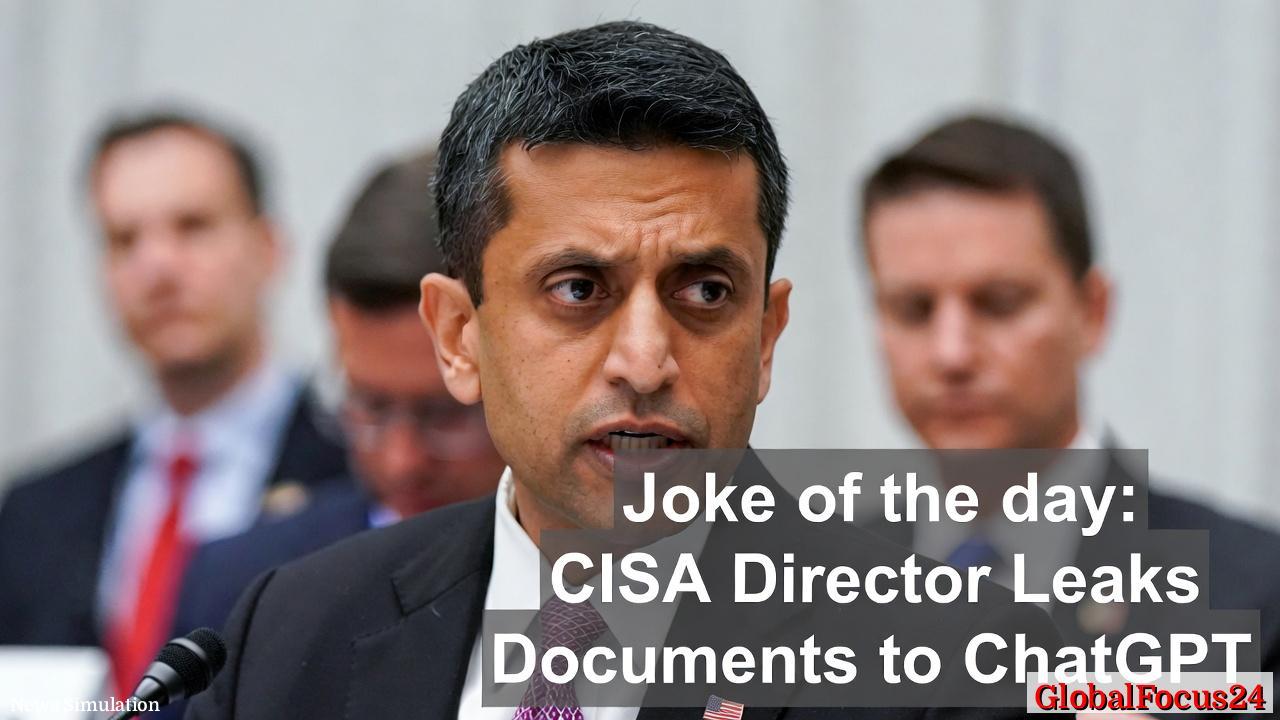
CISA Incident Highlights Growing Tensions Over Public AI Tools and Federal Data Safeguards
In a recent case that underscores the evolving risk landscape around artificial intelligence tools and sensitive government information, the interim head of the U.S. Cybersecurity and Infrastructure Security Agency (CISA) faced an internal review following the exposure of contracting documents to a public-facing AI platform. The episode, which occurred last summer but came under DHS-wide scrutiny in August, has prompted conversations about data handling, vendor access controls, and the mechanisms by which federal agencies monitor and govern the use of AI technologies by personnel with access to sensitive information.
Historical context: the rapid adoption of AI in government work
- Over the past few years, federal agencies increasingly turned to AI assistants and large language models to draft reports, analyze data, and support routine operations. This shift aimed to improve efficiency and decision-making, but it also raised questions about data provenance, leakage risk, and the possibilities of unintentional disclosures.
- Early guidance from many agencies emphasized compartmentalization of sensitive data, clear classification schemes, and strict reuse policies when it came to AI tools. Yet as the technology matured, the balance between practical utility and risk management grew more complex, particularly for senior staff who may need to move quickly in dynamic environments.
What happened in this case
- The interim CISA director, Madhu Gottumukkala, reportedly uploaded documents labeled “for official use only” into a public version of a chat-based AI platform last summer. The materials included contracting documents and cybersecurity content that agencies typically protect from public dissemination, though none were classified at the time of exposure.
- The incident followed special permission granted for May usage of the platform, despite broader restrictions within the Department of Homeland Security (DHS) that blocked many DHS employees from using the tool at that time. It was the public nature of the platform that elevated the risk profile—any material entered into the public version of such AI tools is accessible to the platform’s provider and potentially retrievable in other contexts.
- Cybersecurity sensors within CISA flagged the usage in August, triggering an internal review led by senior DHS officials to assess potential harm, including implications for national security, proprietary information, and the integrity of ongoing contracts.
The confirmation and response trajectory
- According to DHS communications, Gottumukkala’s use of the AI platform was described as short-term and limited, conducted under an authorized temporary exception. DHS noted that appropriate controls were in place to mitigate risk and that the last documented usage occurred in mid-July 2025.
- The department added that the matter warranted a formal investigation to determine causes, effects, and any necessary disciplinary actions. Potential outcomes could range from retraining and enhanced monitoring to more severe measures, up to a revocation of security clearances depending on findings.
- In parallel, DHS reviewed related personnel actions involving Gottumukkala, who had previously experienced controversy tied to a counterintelligence polygraph issue and the subsequent impact on staff morale. This broader context has shaped how observers interpret the current episode and the agency’s governance mechanisms.
Regional and sectoral implications
- The incident resonates beyond a single agency, given CISA’s central role in safeguarding critical infrastructure, including telecommunications, energy, and cyber defense sectors. The episode underscores the broader challenge of securing sensitive procurement data, incident reports, and policy materials in an era when AI-assisted workflows are increasingly ubiquitous.
- For regional actors in California and the broader West Coast tech ecosystem, the event spotlights how federal agencies balance innovation with rigorous data governance. As state governments, universities, and private sector partners pursue joint cyber resilience initiatives, the episode serves as a reminder of the importance of clear guidelines for AI usage, especially when handling contractor information and vulnerability assessments.
- For contractors and vendors working with federal agencies, the event emphasizes the need for robust data handling agreements, explicit prohibitions on uploading sensitive information to public AI tools, and clear procedures to report and remediate any inadvertent disclosures.
Economic impact and operational consequences
- In the short term, investigations and potential corrective actions tend to influence project timelines, procurement planning, and vendor risk management frameworks. Agencies may need to review and tighten data-handling protocols, retrain staff, and adjust access controls for AI tools, which can introduce temporary inefficiencies but contribute to longer-term resilience.
- From a macro perspective, heightened scrutiny of AI usage in government contexts could affect the adoption curve of AI-enabled workflows across federal agencies. Vendors offering AI services may experience increased demand for compliance-driven features, data governance controls, and audit-ready monitoring capabilities.
- The incident also has implications for workforce training. As agencies expand AI literacy, they must simultaneously reinforce cyber hygiene, classification discipline, and incident response readiness to minimize risk in high-stakes environments.
Comparisons with other federal AI governance efforts
- The scenario aligns with ongoing federal emphasis on safeguarding controlled unclassified information and protected sources while leveraging AI to advance operational efficiency. Other agencies have issued or updated guidelines around permissible uses of generative AI, data residency, and model risk management. The common thread is a push toward auditable, end-to-end governance that can withstand congressional and public scrutiny.
- Regions with dense tech sectors, such as Northern California, increasingly advocate for interoperability between public-sector security standards and private-sector AI deployments. This alignment has the potential to accelerate constructive collaboration—provided robust privacy and data-handling safeguards remain in place.
Public reaction and communications strategy
- Public statements surrounding the incident have highlighted a recognition of risk without descending into sensationalism. The emphasis has been on a disciplined, process-driven approach to identify root causes, prevent recurrence, and ensure accountability where warranted.
- Public sentiment often reflects a dual interest: ensuring national security and preserving the benefits of AI-enabled efficiency. Clear, timely communication about investigative steps, the scope of data involved, and concrete improvements can help maintain trust while demonstrating a proactive stance.
What this means for the future of AI and government data
- The episode reinforces that AI tools—especially those with public-facing interfaces—must be treated with rigorous governance when used in government contexts. Classification, access controls, data minimization, and explicit consent processes for data exposure are not optional; they are essential.
- Agencies are likely to expand training programs, refine exception policies, and implement more granular monitoring for AI usage. Expect stronger emphasis on auditing, incident reporting, and continuous improvement in risk assessment methodologies.
- For the broader ecosystem, the event underscores the need for AI platform providers to offer clearer safeguards, such as enterprise-grade controls, on-premises deployment options, and robust data-handling configurations that align with government security requirements.
Historical lessons and ongoing trajectory
- Historically, technology adoption in the public sector has outpaced the development of governance frameworks. As AI becomes more embedded in daily operations, the importance of synchronized policy, user education, and transparent accountability measures intensifies.
- The incident serves as a case study in balancing the value of rapid AI-assisted work with the imperative to protect sensitive information. It suggests that, going forward, government agencies will continue refining their risk appetite for AI tools while expanding capabilities that support resilient, secure, and efficient operations.
Key takeaways for stakeholders
- Data governance is non-negotiable: Clear classifications, strict access controls, and policies that prevent uploading sensitive content to public AI platforms are essential.
- Accountability and training matter: Regular AI ethics and security training for staff, along with clearly defined incident response procedures, reduce vulnerabilities.
- Collaboration with industry is critical: Close coordination with AI providers and contractors helps align security requirements with innovation, ensuring that essential services remain uninterrupted.
In conclusion, the incident at CISA illustrates the delicate equilibrium between embracing advanced AI tools to enhance government operations and maintaining robust safeguards against data leakage. As agencies continue to navigate this evolving landscape, the emphasis will remain on strengthening governance, fostering responsible usage, and ensuring that the benefits of AI do not come at the expense of security or public trust.