Pakistan’s Imprisoned Ex-Premier Faces Vision Loss: Legal and Health Dimensions Unfold
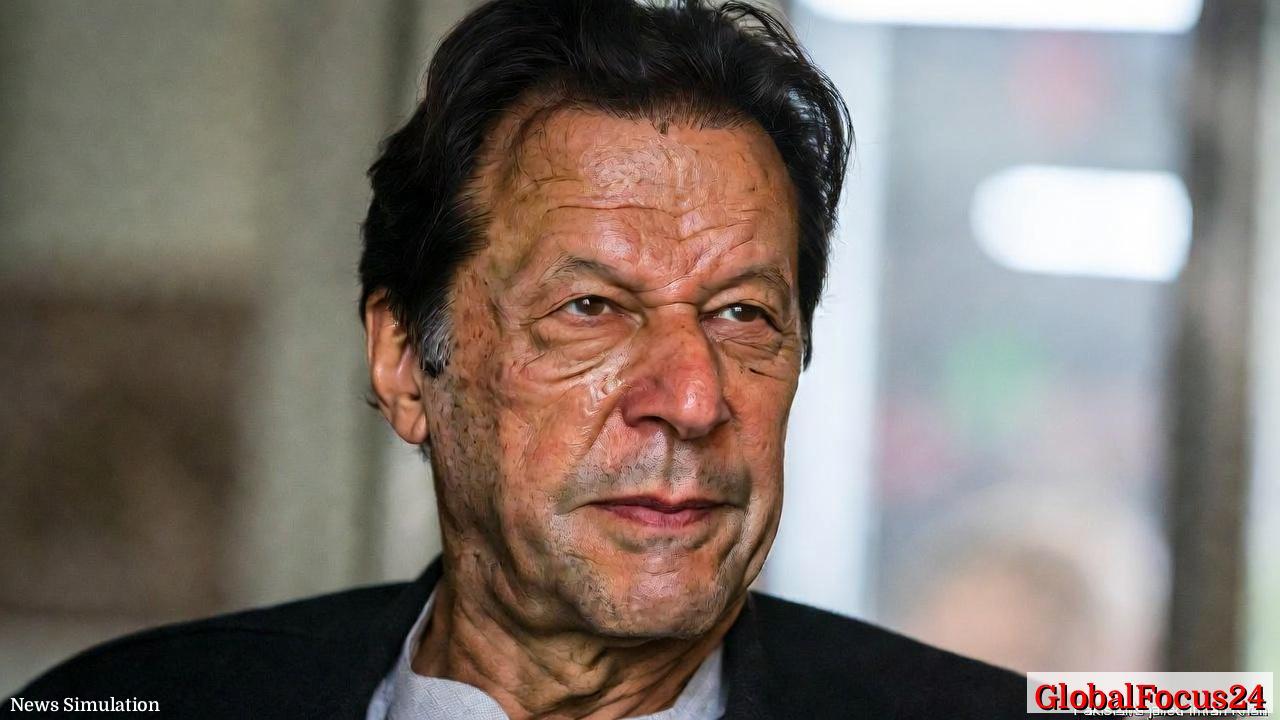
A complex convergence of legal battles, health concerns, and political uncertainty surrounding Imran Khan, Pakistan’s former prime minister, intensified this week as new information emerged about his vision impairment. A court-ordered fact-finding review, submitted to the Supreme Court, indicates that Khan has lost a significant portion of sight in his right eye, a development that underscores the ongoing strain of his lengthy incarceration and the Garrison state’s broader political fault lines. The implications reach beyond a single case, touching on human rights standards in detention, access to medical care for high-profile prisoners, and the resilience of Pakistan’s political landscape as it navigates post-election realignments and persistent accusations of electoral manipulation.
A Timely Health Update Within a Legal Saga
According to a detailed report prepared by Khan’s lawyer and presented to the Supreme Court, the former prime minister now retains only about 15% vision in the right eye, with a previous report indicating a dramatic decline since October 2025. The filing notes persistent blurred and hazy vision, raising questions about whether medical attention has been timely and sufficient within the custody framework. The Supreme Court had previously mandated access to Khan’s personal physician for an independent assessment, signaling judicial concern over due process and the welfare of a detainee who remains a central figure in Pakistan’s political discourse.
Observers emphasize that the health dimensions of Khan’s case illuminate a broader pattern often seen in high-profile political imprisonment: the challenge of ensuring transparent, timely medical evaluation within the security and administrative apparatuses that hold political actors. The two-hour meeting between Khan and his lawyer—conducted undercourt-imposed conditions—formed the evidentiary basis for the latest assessment, and it coincides with a February 16 deadline for authorities to facilitate access to a qualified medical professional of Khan’s choosing. The timing places the issue at a critical juncture as legal proceedings, appeals, and potential remedies continue to unfold in parallel with health concerns.
Legal Context: Detention, Charges, and Public Accountability
Khan’s legal status remains that of a jailed former prime minister, serving a lengthy sentence tied to corruption allegations that date back to the period before his 2023 arrest. His supporters maintain that the cases are politically motivated and designed to sideline him from the country’s competitive political arena. The government and Khan’s critics, including allied parties and independent observers, have offered competing narratives about the integrity of the charges and the broader political motives that underpin his detention.
The court-ordered fact-finding process and the emphasis on medical access reflect broader judicial duties to oversee the treatment of detainees and to ensure due process, especially in cases involving high-profile figures who can influence public opinion and mobilize political currents. While this is a national matter, the implications reverberate across regional legal systems where political leadership has faced similar security-state dynamics. The evolving case highlights the tension between maintaining public order and upholding individual rights within detention settings.
Economic Implications and Regional Comparisons
The Khan case intersects with Pakistan’s broader economic context, where uncertainty surrounding political stability can affect investment sentiment, consumer confidence, and macroeconomic planning. Investors commonly monitor how political actors are treated in custody, the transparency of legal proceedings, and the predictability of policy directions. In this sense, the health and legal status of a former prime minister becomes part of a larger signal about governance and rule of law—factors that influence foreign direct investment flows, currency stability, and credit assessments.
Regional comparisons offer a framework for understanding the dynamics at play. In neighboring countries with turbulent political histories, leadership transitions, and sustained mobilization around legal cases, observers have noted that judicial independence and administrative effectiveness in health matters for detainees can cast long shadows on political legitimacy and public trust. While each country’s institutions and historical trajectories differ, the current Pakistan situation underscores a persistent global theme: the easy-to-understand narrative of “politics as usual” can be complicated by questions about prisoner welfare, medical access, and the perceived fairness of the justice system.
Public Reaction and Societal Impact
Public response to Khan’s health disclosures has been mixed, reflecting a country deeply divided along political lines. Supporters view the reported vision loss as emblematic of a broader pattern of political victimization and a call for greater transparency in medical examinations conducted within detention facilities. Critics counter that the case should be adjudicated on established legal standards without regard to sensational health developments, emphasizing due process, the integrity of the judiciary, and the need to avoid escalation.
Beyond political divides, the case has spurred renewed discussions about health care access for prisoners and the responsibilities of the state to provide timely, appropriate medical treatment. Human rights advocates in South Asia and beyond have long argued for consistent medical standards for detainees, particularly for high-profile individuals whose health conditions can become symbols of larger governance questions. The current situation has amplified those debates, with civil society organizations urging authorities to adhere strictly to court orders and to ensure that medical decisions are independent, impartial, and free from coercive influence.
Historical Context: From Elections to Prolonged Detention
The narrative surrounding Khan’s detention is inseparable from Pakistan’s recent political history. Khan’s Pakistan Tehreek-e-Insaf (PTI) emerged as a dominant political force in the 2024 election, with the party securing the largest single-party mandate. However, allegations of electoral irregularities and coalition dynamics later shaped the formation of a government led by a rival coalition. Critics insist that irregularities deprived PTI of further parliamentary seats, while supporters argue that the electoral framework and subsequent governance reflect a broader contest between civilian institutions and military-influenced power structures.
This historical arc—electoral success, subsequent legal challenges, and a protracted detention—has shaped public perception about the legitimacy of political actors and the rule of law. It also feeds into a broader regional pattern in which high-profile leaders challenge state power through legal avenues, while the state responds through courts, security measures, and regulatory actions. Understanding this context helps explain the pervasive resonance of Khan’s case within Pakistan’s political culture and its potential to influence future policy debates, economic policy, and governance reforms.
Health, Detention, and the Path Forward
The latest developments underscore a need for clear, accelerated medical assessment processes in detention settings. With court deadlines approaching, authorities face pressure to demonstrate accountability through transparent medical practices, independent evaluations, and timely communication with families and legal representatives. For Khan and other detainees who hold significant public profiles, the balance between security considerations and humanitarian obligations remains a crucial test case for Pakistan’s institutional maturity.
Looking ahead, several scenarios could unfold:
- Medical Evaluation: An independent medical team could be granted full access to conduct a comprehensive assessment, including diagnosis, prognosis, and recommended treatment plans. Findings could influence ongoing legal proceedings and potential appeals related to detention conditions and health-related requests.
- Judicial Decisions: The Supreme Court could issue guidance or rulings clarifying detainee medical rights, the timeline for access to specialists, and the standards for treatment in custody. Such rulings may establish precedent for future cases involving similar health concerns.
- Political Ramifications: Depending on the medical findings and judicial outcomes, the political landscape could experience a shift in public sentiment, potentially affecting party dynamics, protest movements, and policy discussions around governance and accountability.
Societal and Global Relevance
The case touches on universal themes that resonate beyond Pakistan: the right to health for detainees, the integrity of judicial processes, and the role of media and public opinion in shaping political outcomes. As nations grapple with balancing security, health care, and civil liberties, Khan’s situation offers a case study in how health information interacts with legal procedures and political narratives. The evolving situation will likely continue to be watched by regional observers and international partners alike, who seek to understand how Pakistan navigates complex constitutional questions, electoral legitimacy, and the protection of human rights within a volatile political arena.
Conclusion: A Moment of Accountability and Human Consideration
The report on Khan’s vision loss, coupled with the ongoing legal proceedings, brings into sharp relief the intersection of health, justice, and politics in Pakistan. As authorities respond to court orders and medical assessments, the broader questions about detainee rights, transparency, and rule of law come to the fore. The coming weeks will be pivotal for Khan’s health trajectory, the fate of ongoing legal actions, and the broader impressions of governance and stability in Pakistan. Communities across the region are watching how compounds of health, legality, and political legitimacy unfold, with the potential to influence public policy, investor confidence, and the citizenry’s trust in state institutions.