Man Arrested in Bus Rock Incident Prompts Regional Safety Reevaluation
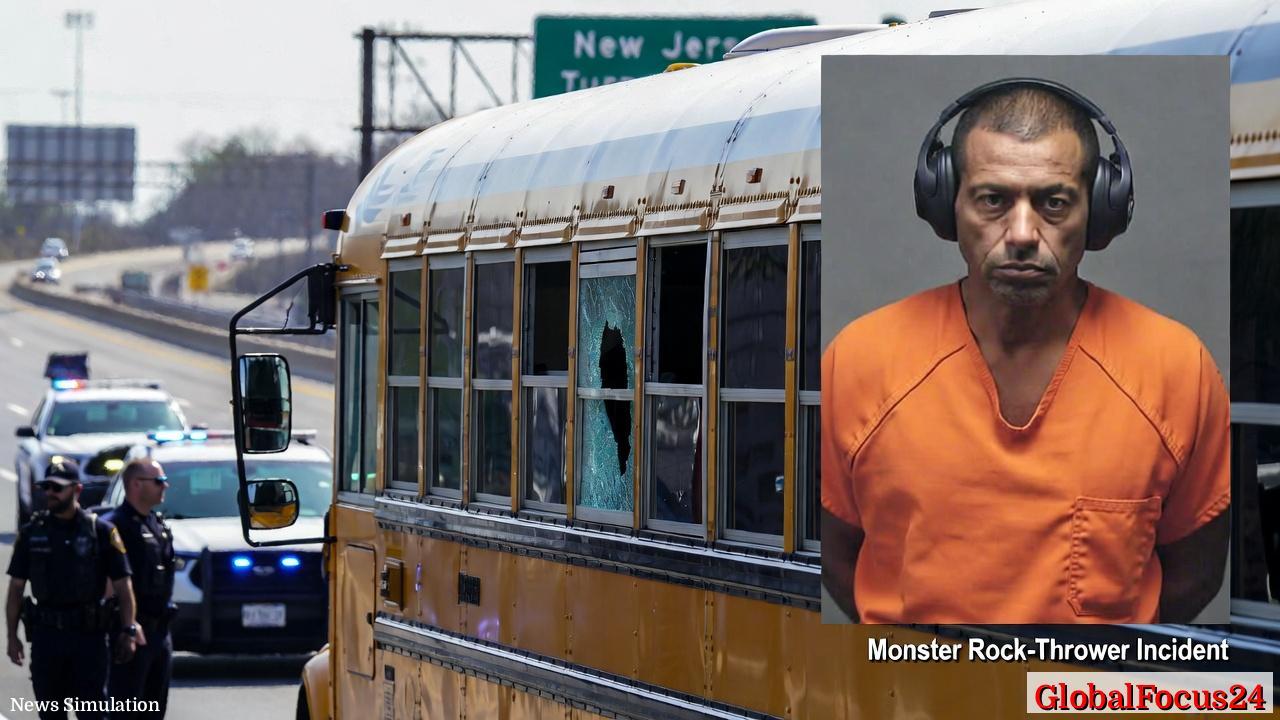
A shocking incident on a major toll highway has raised questions about student safety, border policy impacts, and regional preparedness for rapid response to violent acts involving pedestrians and school transportation. Police reports confirm that a man, identified by law enforcement authorities as Hernando Garciamorales, 40, a noncitizen with illegal migrant status in the United States, was arrested after he allegedly threw a large rock through a school bus window on the New Jersey Turnpike. The rock fractured a third-grade student’s skull, prompting medical treatment and urgent questions about how communities protect children during commutes and field trips.
Context and chronology
According to official accounts, the attack occurred on the New Jersey Turnpike during a time when school districts and state agencies emphasize the safety of students traveling to and from campuses. Investigators say the rock, roughly the size of a baseball, shattered a bus window and struck an eight-year-old girl in the head. The student required immediate medical attention, including surgery, but is reported to be stable under medical supervision, with family and school administrators coordinating ongoing care and support.
Court documents and early press briefings describe the suspect as a man who subsequently confessed to the act and to additional instances of rock-throwing at vehicles. In court appearances, the individual wore an orange jumpsuit and was accompanied by law enforcement officials, with photos showing the damage to the bus window and the vicinity of the incident. Authorities have not disclosed a broader motive at this stage, focusing instead on the safety protocols that were triggered by the emergency.
The incident has spurred immediate actions from school districts and transportation departments in the region. Local officials announced reviews of bus routing, driver training, and pupil-transport security procedures. In addition, law enforcement agencies noted the importance of cross-jurisdictional coordination given the highway setting and the presence of a transient population in the broader corridor.
Historical context and regional comparisons
incidents of projectiles aimed at vehicles have occurred in various regions over the past decades, sometimes linked to social tensions, opportunistic crime, or individual distress. While acts of deliberate violence against school transportation are rare, they have historically prompted policy responses at the district and state level, including enhanced driver vigilance, reinforced bus windows, and more robust reporting channels for parents and guardians.
In comparing regional responses, neighboring states have previously implemented standardized safety drills for school buses, including pre-route safety briefings, real-time communication protocols between drivers and dispatch centers, and rapid reunification procedures for students in the event of an incident. The current episode has intensified discussions about how to balance security with the efficient déjà vu of daily commutes, especially in high-traffic corridors where buses share space with commercial traffic and heavy road usage.
Economic impact and infrastructure considerations
From an economic perspective, the incident underscores several downstream costs and considerations for communities, school districts, and transportation providers. Immediate expenses include medical care for the injured student, counseling and support services for families and classmates, and the costs of any temporary route diversions or replacements needed to maintain student transport schedules. A longer-term financial dimension involves potential investments in bus reinforcement, window technologies, and driver training programs designed to mitigate risk and improve resilience against similar threats.
Beyond direct costs, there is an opportunity to reexamine the efficiency of bus fleets and fuel usage in light of enhanced safety measures. While the decision to upgrade vehicles or retrofit buses entails upfront capital outlays, there are potential long-term savings from reduced risk exposure, fewer missed school days, and improved community confidence in school transportation networks. Economic analyses by state transportation departments often weigh the cost of preventative safety investments against the social costs of disrupted schooling and medical emergencies.
Regional comparisons show that urban and suburban districts face different risk profiles. In dense suburban corridors with heavy commuter traffic, bus routes can intersect with commercial lanes and high-speed highways, necessitating co-ordination with highway authorities and the use of fortified windows or shielded driver cabs. Rural districts, while facing different mobility challenges, must also balance safety investments with budgeting constraints. The incident on the Turnpike highlights the universal need for scalable safety measures that can be adapted to diverse geographies.
Public reaction and community response
Public sentiment in the wake of such events often blends concern for affected families with questions about prevention and accountability. Parents and guardians are likely seeking reassurance that their children’s commutes are safeguarded, while educators and bus drivers may advocate for clearer protocols and more transparent communication channels during emergencies. Community groups might organize information sessions to explain what steps schools and transportation departments are taking, emphasizing both immediate safety measures and longer-term planning.
Local authorities have reiterated commitments to rapid incident response, ongoing monitoring of threat indicators, and collaboration with federal and state agencies to ensure comprehensive support for students and families. While the investigation continues, officials emphasize that protecting children remains the top priority, and that lessons learned from this event will inform future safety policies.
Legal and policy considerations
The legal framework surrounding this incident involves multiple facets, including criminal charges, immigration status considerations, and the responsibilities of school districts and transportation providers to maintain safe environments. Authorities have charged the alleged perpetrator with aggravated assault, reflecting the severity of the injuries and the perceived intent to harm. Investigations may further explore whether any mitigating factors or prior incidents influenced the defendant’s behavior, while defense counsel may scrutinize evidence, timeline, and the voluntariness of any admissions.
From a policy perspective, the event has the potential to influence ongoing debates about school safety funding, border and migration policy, and the allocation of resources for public safety and campus security. While experts caution against drawing broad conclusions from a single incident, policymakers may consider reinforcing anti-violence programs, expanding access to mental health resources, and enhancing cross-agency information sharing to preempt similar threats on critical infrastructure such as school buses and other forms of public transportation.
Safety practices for schools and districts
Immediate steps for school districts typically include a review of bus routes, driver briefings, and incident reporting procedures. Districts may implement enhanced driver training focused on de-escalation, situational awareness, and rapid sheltering techniques in the event of an attack or projectile. Bus manufacturers and fleet managers may evaluate the feasibility of reinforced windows, laminated or laminated-with-polycarbonate panels, and other protective modifications designed to reduce the risk of injury from projectiles. Additionally, districts often expand emergency response drills to incorporate scenarios involving cross-country highway travel and high-traffic environments.
Communication with families is a central element of the response. Transparent, timely updates about the incident, the health status of the injured student, and measures being taken to protect others are essential for maintaining trust. Schools may also provide resources to support students who witnessed the event or who are otherwise affected by the incident, including counseling services and opportunities to discuss safety concerns in a structured setting.
Implications for future research and preparedness
This incident highlights the need for ongoing research into risk assessment for school transportation and the effectiveness of protective technologies in reducing the severity of injuries from projectiles. Researchers might study the incidence of such attacks across different regions and transportation modes to better understand risk factors and to identify best practices for prevention and response. Collaborative efforts among school districts, transportation agencies, and law enforcement can yield data-driven strategies that improve safety without compromising accessibility and efficiency.
Future preparedness could also involve leveraging technology for real-time monitoring and rapid communication. For example, connected vehicle systems and mobile apps that allow dispatchers to track buses, alert drivers to threats, and coordinate with emergency services can improve response times. Shared training programs for school staff, drivers, and federal and local authorities can help ensure a unified approach to crisis management.
Concluding observations
While the exact motivations behind the attack are under investigation, the incident underscores the ongoing imperative to safeguard children as they move between home and school. The immediate focus on medical care for the injured student, transparent communication with families, and a robust review of safety protocols reflect a community-wide commitment to resilience. As authorities continue to pursue legal avenues and to refine policies, the broader takeaway is clear: school transportation safety must remain a top priority, with continual investment in prevention, rapid response, and regional coordination to protect students across diverse environments.