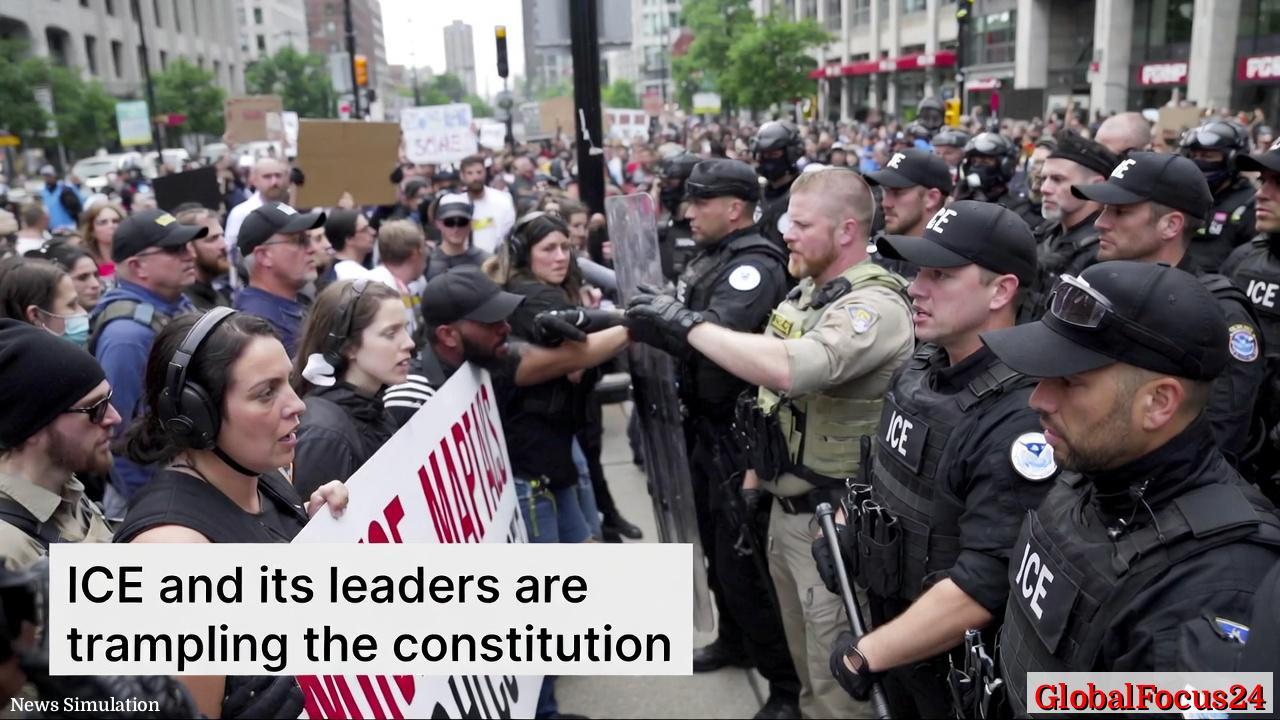
ICE Operations Fuel Debate Over Civil Liberties and Public Safety
In Minneapolis and several other American cities, a wave of federal immigration enforcement actions has sparked a robust public debate over civil liberties, the appropriate scope of federal power, and the potential for escalating violence. Recent events surrounding Immigration and Customs Enforcement (ICE) operations have become flashpoints for discussions about constitutional protections, law enforcement accountability, and the economic and social ripple effects of aggressive immigration policing.
Historical context and evolution of ICE operations
ICE emerged from the consolidation of multiple federal agencies tasked with border control, customs enforcement, and immigration investigations. Over the past decade, the agency has increasingly leveraged economic and political pressures—deportation quotas, performance metrics, and aggressive tactics—to prioritize removal of undocumented individuals. Critics argue that such approaches encourage rapid, sometimes forceful actions that risk civil rights violations, while supporters contend that a tough stance is necessary to deter illegal immigration and protect national security.
The current narrative highlights a tension that has long characterized federal immigration policy: balancing the rule of law with due process, and ensuring that enforcement actions do not undermine constitutional rights or community trust. The Minneapolis incidents, including the fatal shooting of a local individual identified by authorities as a terrorist, have intensified scrutiny of whether rapid characterization of suspects can lead to misrepresentations that inflame tensions and erode civil liberties.
Economic impact and regional considerations
Enforcement intensity often carries immediate economic consequences for local communities. When ICE operations disrupt neighborhoods, small businesses, supply chains, and labor markets, the effects extend beyond public safety concerns. Employers in regions with sizable immigrant workforces may experience uncertainty about hiring, retention, and compliance costs. Simultaneously, urban cores that rely on immigrant labor for essential services risk operational slowdowns if enforcement actions disrupt daily life or deter workers from reporting to jobs.
Regionally, responses to ICE activities have varied. In some cities, local leaders emphasize coordination and transparency, seeking to minimize disruption while preserving security. In other areas, residents express concern about what they perceive as overreach and the potential chilling effect on civic participation, including protests and community organizing. The economic calculus for policymakers hinges on weighing the short-term disruption caused by enforcement against the longer-term implications for labor markets, consumer confidence, and cross-border commerce.
Contextual comparisons with other periods of immigration enforcement
Historically, periods of heightened federal enforcement have followed shifts in political leadership, border security concerns, or national security events. Past episodes show a pattern: once a rapid, high-visibility operation is launched, local and national stakeholders demand clearer rules of engagement, stronger oversight, and more precise definitions of priorities. The present moment echoes those patterns, with calls for greater transparency, accountability mechanisms, and safeguards against civil rights infringements.
Constitutional considerations and civil rights implications
Legal scholars point to several constitutional dimensions in these developments:
- First Amendment rights: Protests and demonstrations are central to democratic processes. When federal actions label witnesses, bystanders, or protesters as criminals, they risk chilling free speech and assembly rights. Courts have long recognized that the government cannot criminalize peaceful dissent without justification.
- Second Amendment concerns: Restrictions on carrying firearms at demonstrations in urban areas raise questions about the intersection of gun rights and public safety. While public safety measures may be warranted, they must be designed to avoid undue infringement on constitutional protections.
- Fourth Amendment protections: Stops, searches, and arrests conducted without probable cause or warrants raise serious questions about unlawful search and seizure. Preserving due process requires that enforcement actions be grounded in legitimate suspicion and properly documented procedures.
- Accountability and due process: The possibility of internal investigations replacing external oversight can erode trust in the justice system. Independent review, civilian oversight boards, and accessible bodies of redress are commonly advocated to ensure that abuses are identified and remedied.
Public response and social dynamics
Public reaction to ICE operations has been multifaceted. In some communities, residents express concern about safety and community cohesion, fearing a climate of surveillance and fear. In others, advocates emphasize the importance of lawful immigration enforcement while urging humane, transparent practices to avoid further polarization. Media coverage and political rhetoric can amplify perceptions of threat or safety, shaping behavior and policy support in ways that move beyond purely factual assessments.
Policy alternatives and reform proposals
To address the concerns raised by these events, several policy avenues have gained traction:
- Transparent investigations: Independent, timely inquiries into fatalities and other significant incidents are seen as essential to maintaining public trust and ensuring accountability.
- Training and equipment standards: Comprehensive training on de-escalation, cultural competency, and constitutional rights, along with clear guidelines on use of force, can reduce the likelihood of violent outcomes.
- Body cameras and identification: Requiring body-worn cameras and visible identification for officers during operations helps document actions and provides verifiable records for investigations and public scrutiny.
- Deportation quotas and enforcement incentives: Reassessing or eliminating quota-driven incentives may align enforcement practices more closely with constitutional norms and due process.
- Oversight and accountability mechanisms: Strengthened congressional and judicial oversight, coupled with enhanced state-level prosecutorial authority over federal agents in certain contexts, can help prevent unchecked power misapplications.
- Leadership and personnel changes: Debates about leadership, including potential personnel changes at the national security and homeland defense leadership level, reflect a broader demand for reform to ensure decisions serve the public interest rather than partisan objectives.
Economic and social resilience considerations
Beyond enforcement actions, communities can bolster resilience through:
- Economic diversification: Supporting local businesses and industries that rely on immigrant labor while ensuring fair labor practices and compliance can mitigate shock from enforcement actions.
- Community engagement: Establishing channels for dialogue between federal agencies and community organizations helps address concerns, reduce fear, and improve information flow.
- Legal aid and public defense access: Expanding access to legal resources for immigrant communities strengthens due process and reduces the risk of unjust outcomes.
- Public safety coordination: Local law enforcement, health services, and social service agencies can coordinate to protect vulnerable populations while adhering to civil rights standards.
Public safety and the path forward
The central question for policymakers, public officials, and the broader community is how to ensure safety without compromising civil liberties. Historical lessons suggest that sustained, credible oversight, transparency, and adherence to constitutional protections are essential to maintaining trust during times of heightened enforcement. As regional leaders respond to the current wave of ICE operations, the focus increasingly shifts to practical governance: how to safeguard communities, protect rights, and stabilize local economies amid evolving federal priorities.
Regional comparisons illuminate diverse trajectories. In some metropolitan areas with mature immigrant communities and established social services, authorities have leaned toward collaborative enforcement models that emphasize due process and community policing principles. Other regions, facing different political currents or demographic compositions, have seen more aggressive postures. Across these varied experiences, the shared objective remains clear: ensure that justice is administered fairly, that public safety is preserved, and that actions taken in the name of national policy do not erode the foundational rights that bind the nation.
Looking ahead, the question becomes one of balance and accountability. If enforcement measures are to be sustained, they must be accompanied by robust checks and transparent processes that invite public scrutiny and protect individual rights. The path toward a more equitable framework for immigration enforcement hinges on credible investigations, accountability for use of force, and leadership that prioritizes safety, dignity, and the rule of law.
As communities digest the latest developments, citizens, policymakers, and advocates are urged to consider both the immediate consequences and the longer-term implications for constitutional rights, economic stability, and social cohesion. The current crisis offers a pivotal moment to reinforce safeguards, strengthen oversight, and reaffirm commitment to a system where security and liberty go hand in hand.