Meta Faces Global Privacy Suit Over WhatsApp End-to-End Encryption Claims
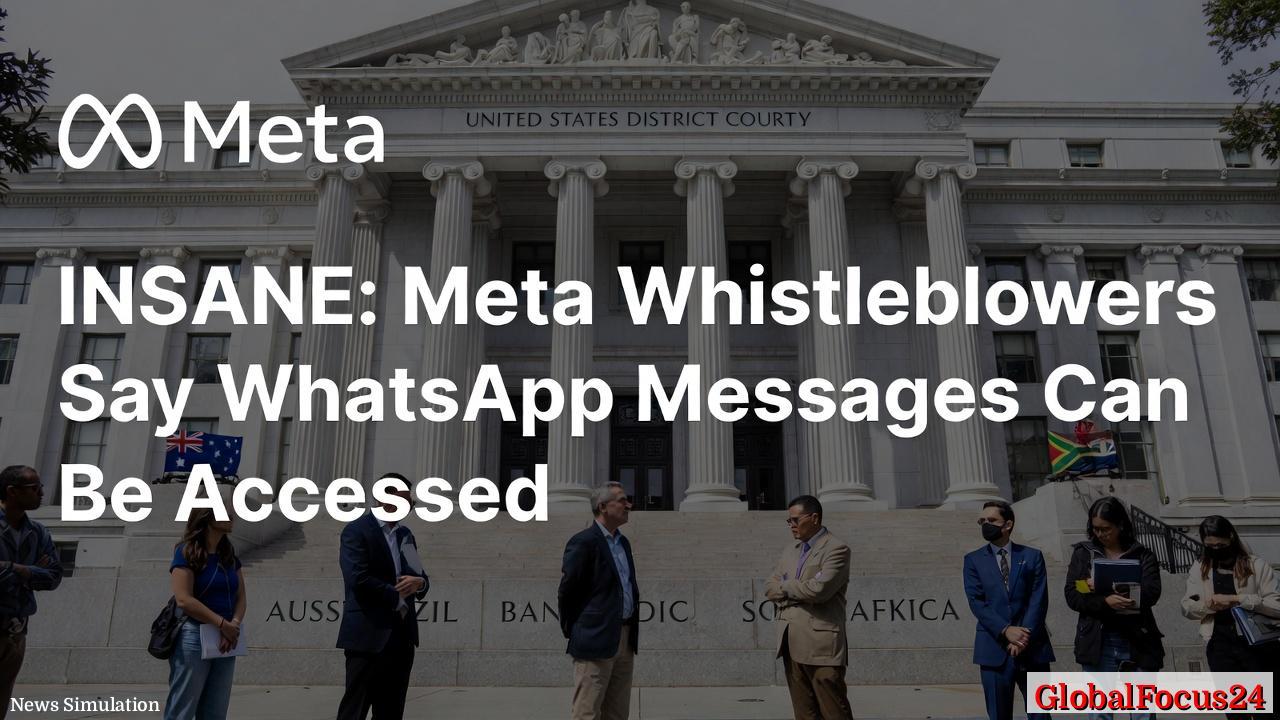
An international cohort of plaintiffs has filed a high-profile lawsuit against Meta Platforms Inc., challenging the tech giant’s assurances about the privacy and security of WhatsApp messaging. The case, brought in a US District Court in San Francisco, centers on the claim that WhatsApp’s public commitments to end-to-end encryption are misleading and that Meta and WhatsApp retain, analyze, and potentially access user communications despite those assurances. The action seeks class-action status and represents plaintiffs from multiple continents, including Australia, Brazil, India, Mexico, and South Africa. Whistleblower disclosures underpin several of the allegations, according to court filings and public statements from plaintiffs’ counsel.
Context and Background: WhatsApp’s Encryption Promise
WhatsApp has positioned itself as a secure messaging platform built around end-to-end encryption. The app’s default “only people in this chat can read, listen to, or share” messaging framing is a cornerstone of its brand proposition. Tech observers and privacy advocates have long discussed the tension between such encryption promises and the data practices of large-scale tech platforms, where metadata, backups, and ancillary services can introduce visible or latent routes to access information.
WhatsApp’s technical backbone includes the Signal Protocol, acquired and adapted to provide end-to-end encryption for message content. In practice, this means that, under standard operation, the content of messages should be unreadable to Meta or any intermediary server once delivered to recipients. However, encryption is a multi-layered shield. While the content of messages can be protected, other elements—such as metadata, delivery receipts, indicators of who is communicating with whom, and the handling of backups—may interact with privacy expectations in nuanced ways.
Legal questions at the heart of the case focus on whether Meta’s public statements about privacy and encryption align with the company’s internal practices and data handling policies. Plaintiffs argue that deception or misrepresentation has occurred because a substantial portion of WhatsApp communications could be subjected to access, analysis, or retention by Meta in ways that contradict the platform’s stated protections.
Key allegations and whistleblower-driven claims
- Misrepresentation of encryption guarantees: The core claim is that WhatsApp’s encryption assurances are not fully faithful to the company’s data-handling reality, including potential access by Meta to user communications through various technical or operational processes.
- Data handling and analytics: Plaintiffs contend that Meta’s broader data ecosystem, including data tied to WhatsApp usage, enables analysis or access to communications in ways that depart from the “private by default” narrative.
- Global scope and class-action potential: With plaintiffs from multiple countries, the suit seeks to certify a class action, which could broaden remedies and remedies options across different jurisdictions.
- Whistleblower evidence: Several allegations rest on information presented by whistleblowers, which plaintiffs argue corroborates inconsistent privacy practices with WhatsApp’s public assurances.
What this means for users and the privacy landscape
- User expectations: The case amplifies ongoing debates about how end-to-end encryption functions in consumer apps and what constitutes true privacy versus privacy-by-design in practice.
- Industry scrutiny: If the court finds merit in the claims, technology platforms that tout encryption could face heightened regulatory and reputational pressures to disclose data handling practices more transparently.
- Global implications: Given the international nature of the plaintiffs, the case highlights cross-border privacy considerations, including how differing data protection regimes interact with multinational tech platforms.
Expert perspectives on encryption and data practices
- Encryption efficacy: Privacy researchers emphasize that end-to-end encryption protects message contents in transit and at rest on devices, but metadata and server-side features can still reveal patterns or enable certain analyses. Understanding the difference between content privacy and operational privacy is essential to evaluate the plaintiffs’ claims.
- Backups and device synchronization: Some users back up chats to cloud services. If backups are not end-to-end encrypted, they can become a vector for data exposure. The case might prompt clarifications around default backup protections and user opt-in choices.
- Whistleblower disclosures: When whistleblowers surface information about internal practices, the public discourse becomes more nuanced, requiring careful examination of the sources, their credibility, and how such disclosures interact with existing privacy policies and terms of service.
Regional context: privacy norms and enforcement in major markets
- United States: The San Francisco-based courtroom setting places the case within a U.S. civil litigation framework, where consumer privacy claims often hinge on misrepresentation, consumer expectations, and the adequacy of disclosures.
- Europe: GDPR-style expectations around data processing transparency and consent could influence how similar claims might be analyzed if pursued in European courts, given the region’s emphasis on explicit consent and robust privacy rights.
- Asia-Pacific: In markets like India and Australia, privacy governance is evolving, with growing regulatory emphasis on data protection and user rights. A global case of this type could inform policy discussions and enforcement priorities in these jurisdictions.
- Latin America and Africa: Brazil, Mexico, and South Africa have been tightening data protection regimes, which could affect how plaintiffs pursue claims and how Meta might respond in different legal environments.
Economic impact: potential costs and market signals
- Legal exposure and costs: A successful claim or favorable class-action outcome could entail damages, civil penalties, or injunctive relief that affects product features or disclosures. Meta could face substantial legal costs regardless of case outcomes, including defense expenditures and potential settlements.
- Compliance investments: Even in the absence of liability, the case can accelerate investments in privacy-by-design features, clearer communications about data practices, and improved transparency around encryption-related capabilities.
- Investor sentiment: Privacy litigations can influence investor perceptions of risk, particularly for a platform with a broad user base and significant data processing activities. Markets often react to regulatory and legal risk as part of a company’s overall risk profile.
Historical context: evolution of end-to-end encryption in consumer tech
- Earlier milestones: End-to-end encryption has evolved from niche secure messaging projects to mainstream consumer apps, driven by user demand for private communications and by regulatory pressures prioritizing data protection.
- Privacy trade-offs: Throughout the 2010s and 2020s, several platforms balanced encryption with business models dependent on data analytics, advertising, or service improvements. This dynamic has sparked ongoing debates about where to draw the line between privacy and operational insight.
- Public perception: Media coverage, regulatory actions, and whistleblower revelations have shaped consumer expectations about what “privacy by default” means in practice and how much trust should be placed in tech firms’ privacy claims.
How the lawsuit intersects with competition and regional comparisons
- Competitive landscape: WhatsApp competes with other secure messaging apps that emphasize privacy, including services with varying encryption implementations and data policies. Legal challenges specific to one platform can indirectly influence industry standards and consumer expectations across the sector.
- Regional privacy benchmarks: In some markets, privacy protections are more stringent, while in others, enforcement varies. A global legal action can serve as a catalyst for harmonizing expectations around encryption claims and user rights, prompting platforms to standardize disclosures and privacy controls across regions.
- Service continuity and user trust: The outcome could affect user retention and platform adoption, particularly in regions where privacy concerns influence app choice among messaging services.
What comes next: potential outcomes and pathways
- Class-action certification: If the court grants class-action status, the case could proceed with broader discovery and potential settlements. This step often shapes the tempo and scope of subsequent negotiations and rulings.
- Sanctions or motions: Meta may pursue sanctions against plaintiffs’ counsel, depending on the court’s assessment of the arguments, evidence, and conduct. Such actions can influence the pace of the case and the strategic options for both sides.
- Settlement discussions: Given the global stakes and public interest, there may be negotiations toward a settlement that includes enhanced privacy disclosures, opt-in choices for data handling, or additional user protections. Settlements can resolve claims without a full merits trial while delivering tangible privacy improvements for users.
- Policy clarifications: Even if the case does not yield a broad verdict on encryption, courts may issue rulings that clarify standards for misrepresentation claims in the context of technology promises, with potential implications for other platforms and services.
Public reaction and user considerations
- User sentiment: Privacy-centric users often gauge the credibility of a platform’s encryption claims through both official communications and observed data practices. Public reaction can influence brand trust, user engagement, and platform growth or decline.
- Transparency expectations: Consumers increasingly expect clear explanations about how messaging apps handle data, what is encrypted, and where exceptions may apply. The case underscores the demand for lucid, accessible privacy notices and user-friendly controls.
- Accessibility and accessibility of information: To maintain trust, platforms may emphasize transparency reports, clear privacy dashboards, and easy-to-understand explanations of data handling. Clear, plain-language communications can help users make informed choices about their digital communications.
Key takeaways for readers
- The lawsuit highlights the ongoing tension between encryption promises and real-world data practices in large tech ecosystems.
- A global class-action posture underscores the cross-border nature of digital privacy and the complexity of applying privacy protections in multinational products.
- Independent investigations, whistleblower disclosures, and court rulings alike will shape how users perceive privacy by default on popular messaging services.
Conclusion: navigating privacy in a connected world
As consumers increasingly rely on messaging apps for personal and professional communication, the privacy landscape remains in flux. The current lawsuit amplifies critical questions about what users can reasonably expect when they rely on end-to-end encryption as a privacy safeguard and how multinational platforms balance security with data-driven business models. Regardless of the case’s ultimate outcome, the broader dialogue about encryption, transparency, and user rights is likely to intensify, prompting platforms to refine disclosures, improve privacy controls, and engage users in clearer conversations about how their information is protected.
For readers seeking to understand their own privacy posture, consider reviewing chat backup settings, encryption disclosures, and the app’s terms of service. Staying informed about how messages are stored and protected can help users make empowered choices about their digital communications.