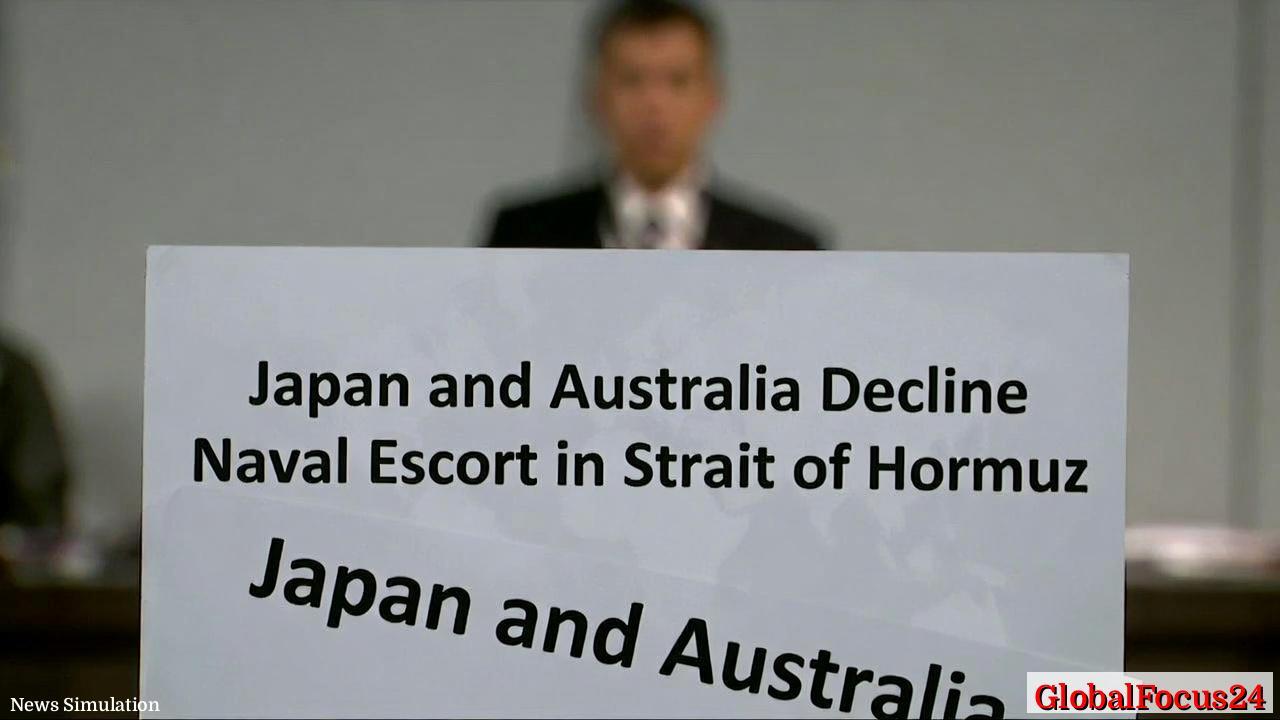
Strait of Hormuz Tension: Global Oil Flows Face Extended Uncertainty
The Strait of Hormuz, a narrow waterway connecting the Persian Gulf with the Gulf of Oman, remains the world’s most critical chokepoint for crude oil and liquefied natural gas shipments. As nations weigh responses to regional instability, naval deployments and diplomatic signaling have shifted from rhetoric to actions, with wide-reaching implications for energy markets, regional security, and global trade.
Historical context: a long-standing strategic hinge Since the late 20th century, the Strait of Hormuz has repeatedly drawn international attention during periods of heightened conflict in the Gulf region. Small movements in the security calculus—such as show-of-force naval patrols, maritime interdiction exercises, or temporary escorts—can ripple through global energy pricing and supply chains. The chokepoint’s bottleneck effect is magnified by its geography: a few dozen miles separate Iran’s coast from Oman and the United Arab Emirates, and most of the world’s oil shipments from the Gulf pass through this channel. The lessons of past disruptions, including episodes in the 1980s and later years, underscore how even perceived risks can prompt insurance premiums to rise, freight rates to adjust, and buyers to diversify procurement strategies.
Global energy security and economic impact The Strait of Hormuz accounts for a substantial share of the world’s oil and liquefied natural gas movements. Even temporary halts or slowdowns in traffic can reverberate through energy markets. In recent days, market participants have observed price signals that reflect concern about potential supply interruptions, with benchmark crude prices reacting tos about naval activity and diplomatic ambiguities. While oil markets are shaped by a broad array of factors—production decisions by OPEC+ members, inventory levels, currency fluctuations, and demand dynamics—the Strait remains a focal point for risk assessment in energy portfolios and nation-level energy security planning.
Regional comparisons illuminate the broader picture
- The Persian Gulf corridor is uniquely sensitive to geopolitical events, given its concentration of energy infrastructure and shipping routes. In comparison, other major transit chokepoints—such as the Suez Canal or the Malacca Strait—also face security challenges, but the Hormuz route has a comparatively higher direct link to crude supply from a single regional basin.
- Europe and Asia are among the most energy-interdependent regions, with European energy security strategies increasingly focusing on diversification of supplier sources, strategic reserves, and cross-regional pipeline and LNG infrastructure. Asia, home to several energy-intensive economies, closely monitors developments in the Gulf, balancing the need for secure imports with broader geopolitical considerations.
- The United States, historically a major consumer and a global energy market influencer, often coordinates with partners to mitigate disruption risk through intelligence sharing, port readiness, and diversified transportation options, including alternative routes and stockpile management.
Official statements and strategic implications Recent announcements from key regional and allied actors illustrate a spectrum of approaches to the Hormuz situation. Some allies emphasized the importance of protecting critical maritime lanes while signaling to avoid entanglement in broader conflicts. Others clarified limits on their military commitments, focusing instead on surveillance, diplomacy, or defensive support to allied nations in the region. The divergence in responses helps explain why the market and observers treat the situation as dynamic, with risk premia reflecting both potential escalation and the probability of de-escalation through diplomacy or deterrence.
Operational considerations for navies and coast guards
- Escorts and patrols: In high-tidelity scenarios, naval escorts for commercial vessels can reduce the risk of disruption, but such missions require sustained international cooperation, clear rules of engagement, and proportional responses to threats.
- Maritime security measures: Broadly, navies may emphasize interdiction readiness, convoy systems, and rapid reaction capabilities to deter attacks on shipping or infrastructure.
- Non-kinetic readiness: Beyond military force, states may prioritize cyber defense of port systems, improved ship routing analytics, and enhanced port security to lessen the likelihood of accidents or deliberate disruptions.
Economic spillovers and consumer effects Oil price volatility tends to feed through to gasoline prices, refining margins, and transportation costs. While prices at the pump are influenced by many factors, sustained uncertainty around Gulf shipping lanes can elevate risk premiums that show up in futures curves and near-term price levels. Consumers in major economies may experience fluctuating energy costs, while businesses in sectors such as aviation, manufacturing, and logistics recalibrate fuel hedging strategies in light of evolving risk assessments.
Regional security dynamics and long-run considerations The current environment underscores a broader trend in which regional dynamics—security assurances, alliance commitments, and capacity-building efforts—shape the calculus of international responses. For policymakers, the challenge lies in balancing deterrence with de-escalation, ensuring that actions to secure routes do not unintentionally escalate tensions or undermine civil aviation and commercial shipping. Long-run resilience may hinge on diversified supply chains, investment in LNG infrastructure, and continued dialogue among Gulf littoral states, major economies, and international organizations.
Public reaction and market sentiment Public perception often trackss about naval activity and diplomatic rhetoric. In markets, sentiment can swing between cautious optimism about stabilizing measures and concern about a potential flare-up. Communities dependent on Gulf energy flows—refiners, exporters, and inland distributors—tend to monitor port schedules, shipping manifests, and commodity benchmarks closely. The mood among investors frequently reflects a balance of risk-tolerant strategies and hedging against volatility, with financial institutions adjusting portfolios to manage exposure to energy asset classes.
What to watch next: indicators of stabilization or escalation
- Diplomatic progress: Any breakthrough in multilateral talks or renewed commitments to maritime security frameworks could reduce price volatility and reassure markets.
- Operational deployments: The presence of international naval contingents, or the expansion of surveillance and reconnaissance assets in the region, would signal a pragmatic step toward risk reduction.
- Market signals: Changes in Brent and WTI price differentials, volatility indices, and shipping insurance costs can provide real-time readouts of perceived risk.
- Infrastructure resilience: Upgrades in port facilities, navigation systems, and emergency response protocols can mitigate disruption even if tensions persist.
Conclusion: navigating a critical juncture for energy logistics The Strait of Hormuz continues to be a barometer for global energy security and regional stability. While nations debate the proper level of military involvement and the best mix of deterrence and diplomacy, the practical effect for many stakeholders is a heightened focus on resilience: securing reliable supply lines, maintaining transparent communication channels among allies, and preserving an open, rules-based maritime environment. In an interconnected world where oil and gas flows underpin economic activity, the ability to manage risk around this chokepoint will influence not only energy markets but broader economic performance across industries and regions.
Note: This article provides an objective overview of the current situation and its implications. It avoids political commentary and focuses on observable actions, market implications, and historical context to inform readers about the broader significance of developments around the Strait of Hormuz.