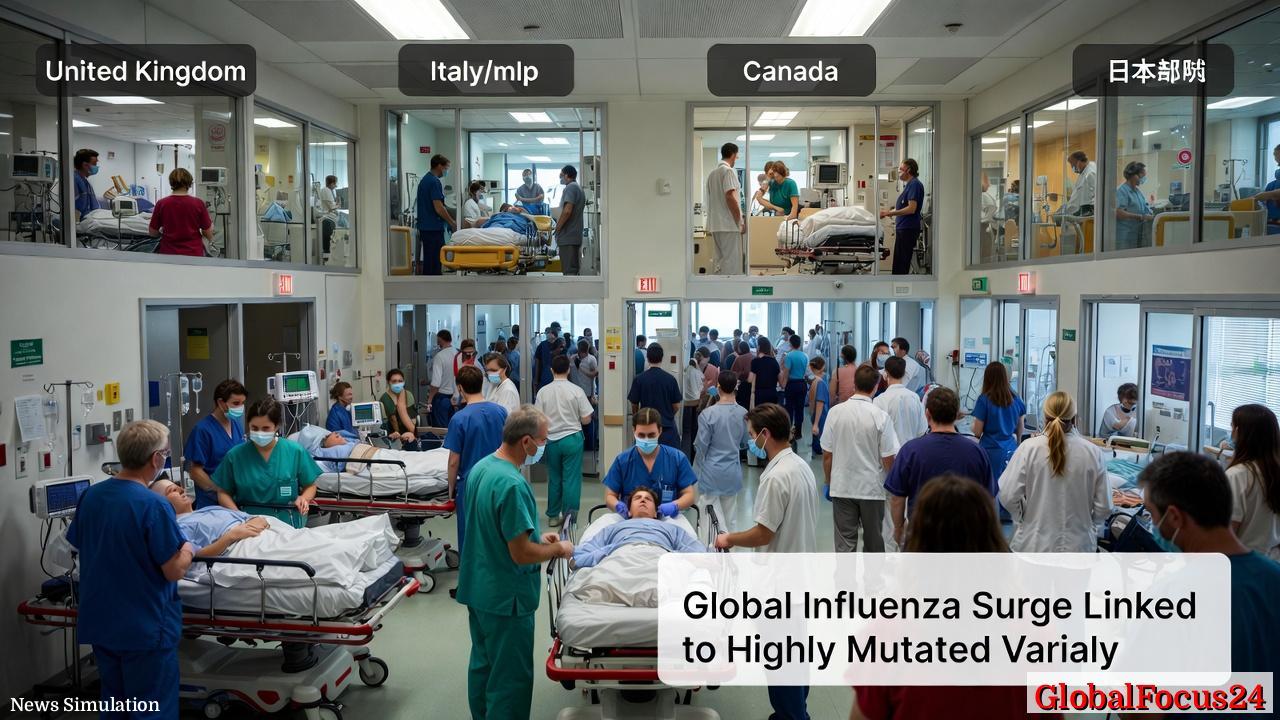
Global Influenza Surge Driven by Mutated H3N2 Variant Subclade K
A rapid, worldwide wave of influenza infections is pressuring health systems across multiple regions, marking a departure from typical seasonal patterns and prompting renewed discussions about preparedness, vaccine effectiveness, and public health responses. While flu seasons are a predictable annual phenomenon, this year’s surge stands out for its speed, geographic breadth, and the significant mutations seen in the dominant virus strain. Public health agencies are racing to monitor spread, adjust recommendations, and communicate risk to clinicians and the public.
Historical context: how flu trends evolve Influenza A subtypes, particularly H3N2, have long dominated winter outbreaks in temperate climates. Each year, health authorities forecast which strains are most likely to circulate, guiding vaccine composition and anticipatory clinical planning. Yet the influenza virus evolves quickly through antigenic drift, and occasionally a newly dominant sublineage emerges with mutations that alter transmissibility, immune escape, or disease severity. Subclade K of H3N2, identified as the lead driver in the current wave, represents a notable example of such evolution. Its appearance follows a pattern seen in past surges when a mismatch between circulating strains and the vaccine strain reduces overall population immunity, especially among older adults and those with compromised immune systems. The result can be a broader, earlier, and more intense season than is typical.
Geographic spread and timing The current influenza surge has unfolded with surprising speed and regional concurrence. European nations began reporting elevated case counts earlier in the season, followed closely by North American centers, and then by parts of Asia-Pacific and the Southern Hemisphere. In several regions, hospitals noted higher-than-expected admissions for influenza-like illness, pneumonia, and related complications, with ICU occupancy and bed utilization reaching stressed levels sooner than in previous seasons. The early onset—months ahead of the usual peak in some areas—compounded resource allocation challenges, including staffing, antivirals supply, and bed capacity.
Clinical impact and health system strain Across the world, clinicians describe a flu season that begins with a higher baseline of activity and a sustained run of cases, rather than a short, sharp peak. Public health data show elevated rates of emergency department visits and a surge in hospitalizations, particularly among older adults, the very young, and patients with chronic conditions. Healthcare facilities report that it is not only the number of cases that is taxing, but also the complexity of care required for complications such as pneumonia, acute respiratory distress, and secondary bacterial infections. This combination places pressure on critical care services, respiratory therapy units, and primary care networks that serve as first lines of defense during peak seasons.
Vaccine effectiveness and the role of subclade K Subclade K’s mutations have implications for how well vaccines protect against infection. In seasons where circulating strains diverge significantly from the vaccine composition, effectiveness against mild illness can decline, though protection against severe disease often remains more durable due to immune memory and booster responses. Early investigations suggest that existing vaccines may still confer meaningful protection against severe outcomes for many individuals, while some degree of breakthrough infections occurs. This dynamic underscores the importance of maintaining vaccination, especially for high-risk populations, and of continuing surveillance to evaluate any need for updated vaccine formulations in subsequent cycles.
Economics of a global flu surge The global influenza upsurge carries notable economic consequences. Direct costs include increased hospitalizations, outpatient visits, antiviral therapies, and extended hospital stays. Indirect costs manifest as reduced workforce productivity, caregiver burdens, and disruptions to schools and businesses during peak transmission periods. Regions experiencing higher hospitalization rates face intensified demand for healthcare personnel, personal protective equipment, and ICU resources, potentially driving up operational costs and stressing supply chains. Insurance programs and government health budgets are adapting to cover surge-related services, while researchers and health ministries accelerate data sharing and modeling to forecast demand and allocate resources efficiently.
Regional comparisons: where the pressure is most felt
- United States: Hospitals report elevated influenza activity with a notable uptick in admissions among seniors. The economic impact is reflected in higher utilization of urgent care and emergency services, along with increased demand for antiviral medications during the season’s early weeks.
- United Kingdom: NHS trusts have observed an unusually brisk start to the flu season, with several facilities operating near capacity. The emphasis has shifted toward protecting vulnerable groups, optimizing bed management, and maintaining essential non-flu services.
- Italy: Regions facing co-circulation of influenza and other respiratory pathogens are implementing expanded vaccination drives and public messaging to mitigate transmission and preserve hospital capacity during peak periods.
- Canada: The early surge has stressed provincial health systems, prompting cross-provincial coordination on antiviral stockpiles, rapid testing strategies, and targeted vaccination campaigns for at-risk populations.
- Japan: An official flu epidemic declaration reflects high infection rates and a focus on safeguarding hospitals, especially in urban centers with dense populations and aging demographics.
- Australia: The flu season extended longer than usual, prompting a reassessment of the typical vaccination window and ongoing surveillance as the southern hemisphere transitions toward its next cycle.
Public health responses and strategies
- Enhanced surveillance: Global and regional monitoring networks are intensifying genomic sequencing and real-time data sharing to track subclade K’s spread and mutational developments. This information informs vaccine strain selection and public health advisories.
- Vaccination campaigns: Despite potential mismatches, vaccination remains a cornerstone of protection, particularly for older adults, pregnant people, and those with chronic illnesses. Authorities emphasize vaccination as a means to reduce severe disease and hospitalizations, even when breakthrough infections occur.
- Antiviral access and use: Countries are ensuring ready access to antivirals such as neuraminidase inhibitors, prioritizing high-risk groups, and reinforcing guidelines on timely treatment initiation to maximize benefits.
- Non-pharmaceutical measures: Regions continue to encourage routine flu hygiene practices—handwashing, respiratory etiquette, and staying home when ill—to curb transmission during periods of high activity. Mask usage and ventilation improvements in crowded settings may be reconsidered in facilities with significant transmission or vulnerable populations.
- Healthcare system resilience: Hospitals are refining surge capacity plans, augmenting staffing, and optimizing resource allocation. Telehealth and community-based care pathways help reduce unnecessary in-person visits while ensuring access to care for high-risk patients.
What this means for individuals and families
- Vaccination remains your best defense against severe illness. If you haven’t already, consider getting an influenza vaccination, especially if you are in a high-risk group or care for others who are vulnerable.
- Seek care promptly if you develop flu symptoms, particularly if you belong to a high-risk category or experience worsening shortness of breath, chest pain, confusion, or dehydration.
- Practice preventive measures during peak flu periods, such as regular handwashing, avoiding close contact with sick individuals, and staying home when ill to protect loved ones and reduce transmission.
- Stay informed about local guidance from public health authorities, including vaccination clinics, testing availability, and treatment options in your area.
Scientific developments and ongoing questions Researchers are actively studying subclade K’s mutations to understand how they influence transmission dynamics, virulence, and immune escape. Key areas of inquiry include:
- Mutation patterns: Which genetic changes are driving increased transmissibility or altered antigenicity, and how do these changes interact with host immunity?
- Vaccine alignment: Will future vaccine formulations need updating to better match circulating strains, and how rapidly can such updates be rolled out in response to evolving lineages?
- Population immunity: How do prior infections and prior vaccination histories shape susceptibility to the current dominant subclade, and what does that mean for future seasonal risk?
Regional public health messaging and communication Clear, consistent communication has proven essential in managing public expectations and behavior during influenza surges. Authorities are focusing on:
- Transparent risk assessment: Sharing local case trends, hospitalization data, and ICU capacity indicators helps communities understand the situation without inducing unnecessary alarm.
- Practical guidance: Providing actionable steps for individuals and families, such as vaccination locations, treatment options, and when to seek care, improves timely access to services.
- Collaboration with healthcare providers: Clinician-focused updates ensure frontline teams have the latest recommendations for testing, treatment, and triage.
Looking ahead: potential scenarios and preparation The influenza landscape remains dynamic. If subclade K continues to dominate, several scenarios could unfold:
- Seasonal persistence with an extended peak: The season may remain active longer, sustaining pressure on healthcare systems and elevating the importance of hospital capacity planning.
- Partial vaccine match improvements: If updated vaccine formulations are aligned with circulating strains in time, protection against severe disease could improve, reducing hospitalizations even if mild infections persist.
- Enhanced antiviral deployment: Widespread access to antivirals may help blunt progression to severe illness, particularly among high-risk populations.
-key takeaways for policymakers and healthcare leaders
- Maintain robust surveillance to detect shifts in circulating strains and to evaluate the need for vaccine updates.
- Ensure rapid access to vaccines and antivirals, prioritizing high-risk groups and healthcare workers.
- Prepare healthcare systems for sustained demand, including ICU capacity, staffing, and supply chains for essential medications and PPE.
- Communicate clearly with the public to promote vaccination, early treatment, and practical preventive measures.
Global outlook and regional resilience The current influenza surge, driven by a highly mutated H3N2 subclade, underscores the interconnected nature of global health. Pathogen spread does not respect borders, and coordinated international reporting, vaccine development, and resource sharing are essential to mitigating impact. Regions with strong health systems and proactive public health programs tend to experience less disruption and faster recovery, while areas facing resource constraints or high vulnerable populations may encounter more pronounced challenges. The experience gained from this season can inform future preparedness, including more agile vaccine production, enhanced emphasis on high-risk groups, and strategies to minimize disruption to essential services during peak periods.
In closing, the world is navigating a flu season unlike some years past, marked by rapid transmission, higher early activity, and a dominant mutated variant that has reshaped risk assessments and response strategies. While uncertainties remain about exact trajectories, the combination of vaccination, vigilant surveillance, rapid treatment, and practical public guidance offers the best path to reducing severe outcomes and maintaining societal resilience through the season. Public health officials continue to monitor the situation closely, ready to adapt recommendations as new data emerge.