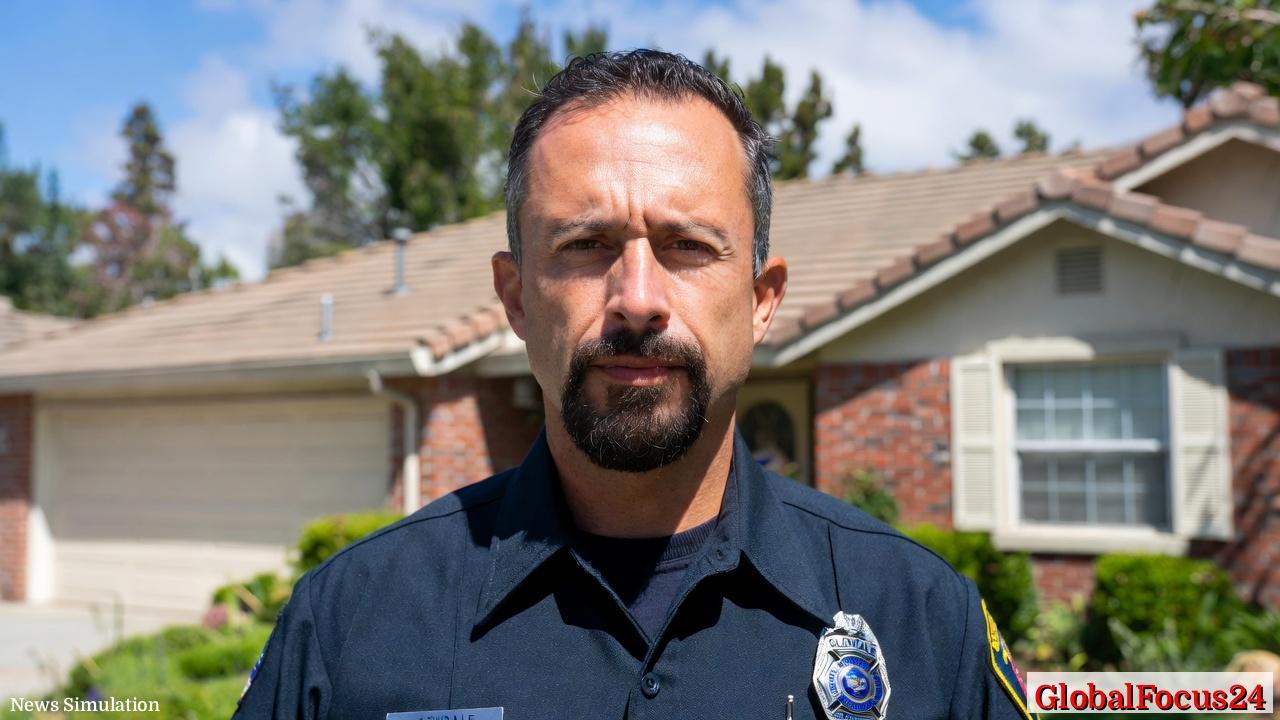
Glendale Firefighter Arrested in Apparent Domestic H violence Homicide in North Hollywood
A Glendale firefighter-paramedic has been arrested on suspicion of murder in what authorities describe as an apparent domestic violence homicide in North Hollywood. The case centers on the death of Mayra Jimenez, 55, found at a Satsuma Avenue residence in the early hours of a January morning, with investigators alleging that blunt-force trauma was the cause of death. The suspect, Andrew Jimenez, 45, a member of the Glendale Fire Department since 2008, turned himself in to police after walking into a Northeast Community Police Station around 4 a.m. and requesting a welfare check on his wife.
Initial police findings point to a violent incident linked to marital tensions that reportedly escalated in the moments before the attack. Investigators are reviewing forensic evidence, digital records, and witness statements to establish a precise timeline. At this stage, authorities have not released motive beyond statements from the suspect’s counsel indicating the alleged discovery of infidelity through the victim’s diary played a role in the events leading to the homicide. The case remains under active investigation, with prosecutors weighing charges as more information becomes available.
Historical context helps illuminate why domestic violence cases, particularly those involving individuals in high-responsibility professions, receive heightened public and institutional attention. Historically, incidents of intimate partner violence have drawn scrutiny around workplace culture, stress management, and access to public safety resources. While each case is unique, broader patterns show that high-stress occupations can intersect with personal crises in ways that intensify risk factors, though it is essential to avoid drawing conclusions about any one profession based on a single incident. Legal processes, family welfare considerations, and community safety concerns all converge as authorities determine accountability and protective measures for any dependents or co-workers affected by such violence.
From an economic standpoint, incidents of this nature can trigger a ripple effect across local emergency response systems, insurance and healthcare expenditures, and public confidence in municipal services. When a firefighter is placed on administrative leave or faces legal action, departments must reallocate resources to maintain response times and service levels. In North Hollywood and adjacent communities within the Los Angeles metropolitan area, public safety budgets and staffing plans are frequently adjusted in response to personnel changes, investigations, and policy debates surrounding training, mental health support, and peer intervention programs. While the immediate impact in this case centers on the family and colleagues involved, the broader implications can influence departmental morale, recruitment pipelines, and the community’s perception of safety.
Regional comparisons highlight how similar incidents have influenced public discourse and policy in other large urban centers. In comparable metropolitan areas, jurisdictions often respond with a combination of enhanced domestic violence outreach, victim support services, and investigative transparency. Some cities emphasize rapid deployment of domestic violence early intervention programs, collaboration with social services, and public awareness campaigns designed to prevent escalation. Yet even with robust programs, domestic violence remains a deeply personal crisis that tests the resilience of families, law enforcement, and support networks. The Glendale case underscores the ongoing need for accessible resources, cross-agency coordination, and clear reporting channels for individuals seeking help.
Legal proceedings now follow a path typical for homicide investigations involving domestic disputes. Investigators will pursue a comprehensive evidentiary record, including autopsy findings, toxicology reports, incident reconciliation with prior police contacts, and any digital or written communications that shed light on the events leading to the death. Prosecutors will weigh charges such as murder or a related offense depending on the evidence’s strength and the interpretation of intent. The defendant’s legal representation is expected to argue factors related to mental state, potential mitigating circumstances, and procedural rights. In cases like this, the courtroom process often extends beyond the immediate incident, touching on family dynamics, protective orders, and community safety obligations.
Community reaction in North Hollywood has been a blend of shock, concern, and calls for continued vigilance against domestic violence. Local leaders and advocacy groups have reiterated the importance of accessible resources for victims and survivors, including hotlines, counseling services, and emergency shelter options. Public sentiment typically emphasizes preventing future tragedies through education, bystander intervention, and coordinated support networks that can respond quickly to warning signs. While specifics of this case remain under investigation, residents in the broader Los Angeles area are reminded that domestic violence can affect anyone, regardless of occupation or social status, and that timely outreach and intervention can save lives.
The role of first responders in addressing domestic violence extends beyond immediate crisis management. Fire departments and law enforcement agencies increasingly collaborate with social service agencies to create integrated support systems. Training programs aimed at recognizing domestic violence indicators, de-escalation techniques, and safe reporting mechanisms are essential components of contemporary public safety practice. Departments that invest in mental health resources for personnel, confidential counseling, and peer support networks contribute to a culture that prioritizes well-being and responsible action. In this light, the North Hollywood incident may influence ongoing conversations about workplace culture, employee wellness, and the balance between personal and professional responsibilities in high-stress professions.
For Glendale and neighboring jurisdictions, the incident also highlights the importance of transparent communications with the public while preserving the integrity of ongoing investigations. As investigators collect and corroborate facts, officials will provide updates that help communities understand the sequence of events and the steps being taken to support victims and ensure accountability. In the interim, local authorities reiterate their commitment to safety, fairness, and due process, underscoring that every case requires careful, factual analysis rather than speculation.
Economic considerations also extend to the broader regional labor market and public service sector. Coping with injuries, fatalities, or criminal charges among public-facing personnel can influence days of work lost, overtime expenditures, and the allocation of training resources. For municipalities in the greater Los Angeles area, the interplay between public safety duties and community programs remains a focal point of budget discussions, with stakeholders urging continued investment in preventative measures such as domestic violence prevention education, victim advocacy services, and community policing strategies designed to foster trust between residents and responders.
In reflecting on the broader societal dimensions, observers may note that domestic violence incidents, while deeply personal, have public consequences that touch schools, workplaces, and civic life. Communities respond through a combination of legal accountability, social services, and preventive education. This case—set against the backdrop of a region with a dense and diverse population—serves as a reminder of the universal need for safe, supportive environments where individuals can seek help without stigma and where trusted institutions can respond effectively when danger arises.
As the investigation proceeds, residents and policymakers alike will watch for any changes to local protocols or organizational practices aimed at strengthening domestic violence response. Departments may reevaluate crisis intervention training, enhance privacy protections for those reporting abuse, and expand access to resources for families navigating the complex dynamics of volatile relationships. While the details of this case remain unfolding, its impact on public discourse, departmental culture, and community safety strategies is likely to endure well beyond the courtroom.
In summary, the North Hollywood homicide involving a Glendale firefighter-paramedic underscores the ongoing challenge of domestic violence in urban America. The incident prompts important questions about personal accountability, workplace support systems, and the effective deployment of social services to prevent tragedies. As investigators, prosecutors, and community organizations work through the evidence and implications, the public remains focused on outcomes that reinforce safety, justice, and resilience.
Note: This article presents an objective overview based on available information and standard prosecutorial and investigative processes. Details may evolve as new information becomes public.