Georgia High School Teacher Charged with Molesting Student Was Married Mother Who Once Spoke Out About “Creepy Men”
Arrest in Lee County Sparks Community Shock
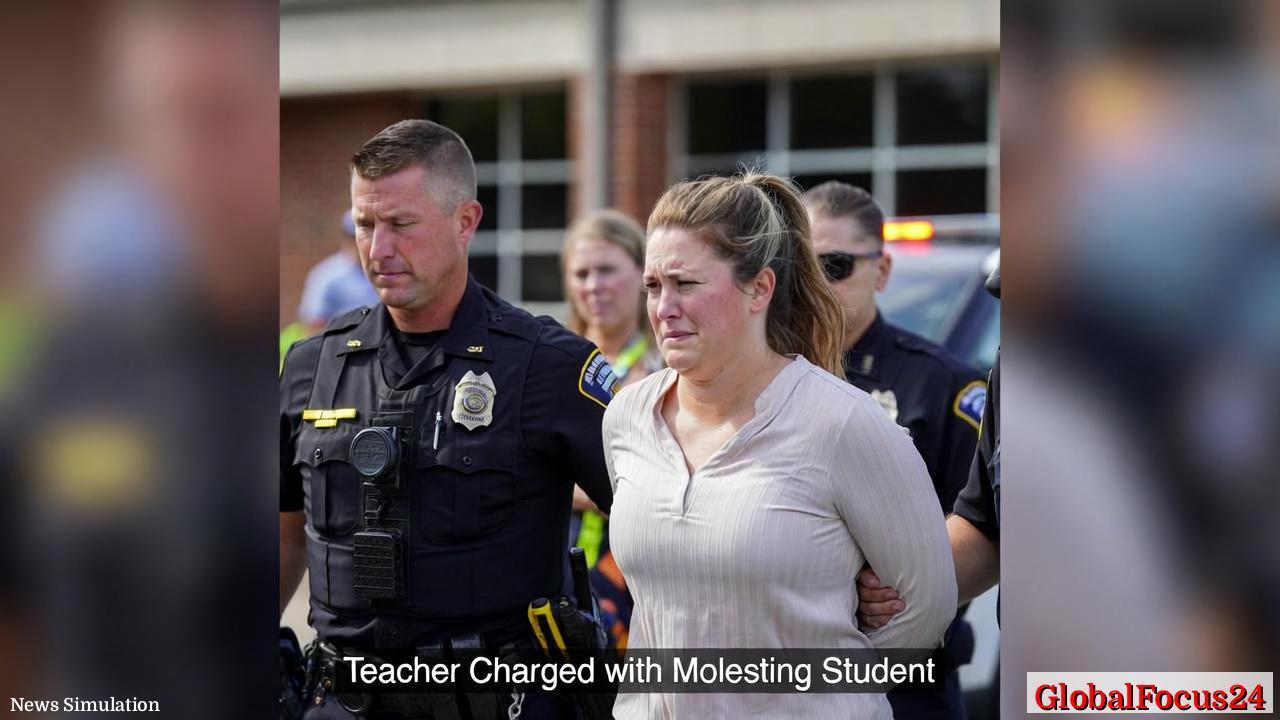
A Georgia high school teacher has been arrested on charges of molesting a student, sending shockwaves through the small community of Leesburg. Authorities say Danielle Weaver, 29, a former educator at Lee County High School, turned herself in to police on February 18 following a warrant issued for her arrest. The Georgia Bureau of Investigation (GBI) confirmed she faces serious charges, including child molestation and improper sexual contact by an employee.
Weaver, a married mother of two, was reportedly a well-known figure in the community and among her students. Her arrest has left parents and colleagues reeling, as questions mount about how the alleged misconduct occurred within a school setting known for its strong academic and athletic reputation.
According to the GBI, the investigation began earlier in February after concerns were raised about inappropriate contact between Weaver and a student at the school’s freshman campus. District officials stated they acted immediately to ensure student safety once the allegations surfaced.
A Swift Administrative Response from the School District
The Lee County School District issued a public statement confirming that Weaver was removed from her position as soon as the allegations surfaced. “Upon learning of possible misconduct, we took immediate action to protect our students and to begin a full investigation,” the district said in its release. Administrators also confirmed that Weaver is no longer employed by the district.
The statement emphasized that the school continues to cooperate with law enforcement and the Southwestern Judicial Circuit District Attorney’s Office, which is overseeing the prosecution once the GBI concludes its investigation.
The timeline provided by court and law enforcement documents shows that Weaver’s alleged misconduct was reported on February 3, leading to an internal inquiry and subsequent escalation to state investigators. Less than two weeks later, Weaver turned herself in to authorities on February 18.
A Public Persona Contradicted by Allegations
Before her arrest, Weaver had cultivated an online persona as a candid, outspoken woman balancing professional life, marriage, and motherhood. In one social media video that has since resurfaced, she voiced frustration about unwanted attention from men, asking aloud why some men could be “so creepy sometimes.”
That clip, shared widely after her arrest, has drawn public scrutiny and irony, with community members expressing disbelief that someone who openly condemned inappropriate behavior now faces charges of precisely that nature.
Her social media activity has since been removed or deactivated, but remnants of her posts remain circulated in community forums and discussion threads.
Family Fallout and Swift Legal Action
Court records show that Weaver’s husband, Caleb Weaver, filed for divorce the day after her arrest. Documents describe the couple’s marriage as “irretrievably broken” and confirm they had separated on February 5, shortly after the initial allegations became known.
In an interim ruling, a judge granted Caleb Weaver temporary custody of the couple’s two young children and exclusive possession of the family home. Danielle Weaver has been given restricted visitation rights and is barred from unsupervised contact with the children pending further court proceedings.
Caleb Weaver is seeking permanent custody and child support, though legal proceedings are ongoing. Sources close to the family describe him as “devastated” but focused on the well-being of the children amidst intense public and media attention.
A Community Struggles to Understand
Leesburg, home to fewer than 5,000 residents, is the kind of town where word travels fast. Known for its tight-knit neighborhoods and proximity to the college town of Albany, the community rarely sees major criminal cases—especially ones involving trusted educators.
Parents of Lee County High School students express a mix of anger and disbelief. Some have described Weaver as enthusiastic and caring, while others say they now wonder if warning signs were missed.
Local forums and Facebook groups dedicated to school matters have seen hundreds of comments, many calling for stricter oversight of teacher-student interactions. Others urged restraint, reminding residents of the ongoing investigation and the principle of presumption of innocence.
Regional and Historical Context of Teacher Misconduct Cases
The case comes amid a troubling national trend of teacher-student misconduct allegations. Across Georgia and the broader southeastern United States, a handful of similar incidents have raised concerns about professional boundaries, mandatory reporting, and digital communication between teachers and students.
In 2023 and 2024, several cases emerged in neighboring states—such as Alabama, Florida, and South Carolina—where educators faced criminal charges for inappropriate relationships with students. Educational watchdog groups note that while such cases remain statistically rare, the rise in social media connections between students and teachers has blurred professional lines and created new vulnerabilities.
Georgia’s Professional Standards Commission has emphasized training programs on ethics and digital conduct, but experts say prevention efforts often lag behind technology use in schools. Small rural districts, like Lee County’s, sometimes lack the resources or personnel to monitor all online communication effectively.
Historically, teacher misconduct scandals have had lasting impacts on public trust. In previous decades, such allegations might have been handled quietly, but increased transparency and mandatory reporting laws have brought these cases into public view—resulting in faster disciplinary action but also greater community shock.
Economic and Institutional Implications for Lee County
The fallout from this case extends beyond the classroom. Legal proceedings, staff replacements, and reputational damage can create significant economic strain on small school districts. Lee County, located about 90 miles north of Tallahassee, Florida, is part of a region where public education serves as both a major employer and community anchor.
Educators often hold multiple roles—instructional, athletic, and community leadership positions—so any breach of trust reverberates widely. For the school district, the focus now shifts to restoring confidence among parents and ensuring student well-being.
Legal experts note that defending against allegations of this magnitude can also become costly for the individuals involved. Court filings indicate Weaver has retained legal counsel specializing in both criminal defense and family law, signaling that her simultaneous criminal and domestic cases will likely unfold over many months.
Comparative Insight: How Other Districts Have Responded
Across Georgia, various districts have revised professional conduct guidelines in recent years following similar cases. In Gwinnett County and Cobb County, new monitoring systems track teacher-student communications through school-issued devices. Fulton County Schools implemented a training initiative emphasizing the ethical boundaries of mentorship and counseling roles.
Smaller districts like Lee County often look to these models but must adapt them within tighter budgets. State education leaders have encouraged regional partnerships that allow rural systems to share resources for compliance training and psychological support services.
The Georgia Department of Education has also backed legislative proposals aimed at expanding background checks for educational staff and requiring annual certification renewals tied to professional ethics training.
Education analysts say that although such reforms help deter misconduct, incidents like the Weaver case highlight an enduring challenge: the balance between fostering close, supportive teacher-student relationships and maintaining appropriate professional distance.
Ongoing Investigation and Legal Outlook
As of late February, the Georgia Bureau of Investigation continues to gather evidence in the case. Once completed, the file will be forwarded to the Southwestern Judicial Circuit District Attorney’s Office for potential indictment or plea negotiations.
If convicted, Weaver could face a lengthy prison term under Georgia’s strict child protection laws. Child molestation is considered among the most serious offenses in the state’s penal code, carrying mandatory sentencing guidelines.
The upcoming court dates have not been publicly announced, and authorities have maintained strict discretion over details about the alleged victim to protect their identity and privacy. The Lee County Sheriff’s Office confirmed that the investigation remains “active and ongoing.”
Broader Lessons for Schools and Communities
The arrest of Danielle Weaver underscores the complex dynamics that can arise when authority, trust, and emotional connection intersect within an educational context. While the case is still unfolding, its impact on teacher ethics discussions, parental vigilance, and institutional accountability is already being felt across Georgia and beyond.
For communities like Leesburg, restoring faith in the integrity of local schools may take time. School officials plan to expand staff training on professional ethics and student safety while encouraging open communication between parents, teachers, and administrators.
As the legal process continues, residents of Lee County are left confronting difficult questions about prevention, oversight, and the responsibilities of those entrusted with children’s education and care—questions that resonate far beyond the boundaries of this quiet Georgia town.