s Echo through Military Training Grounds as Fatal Incident Sparks Questions About Safety and Protocols
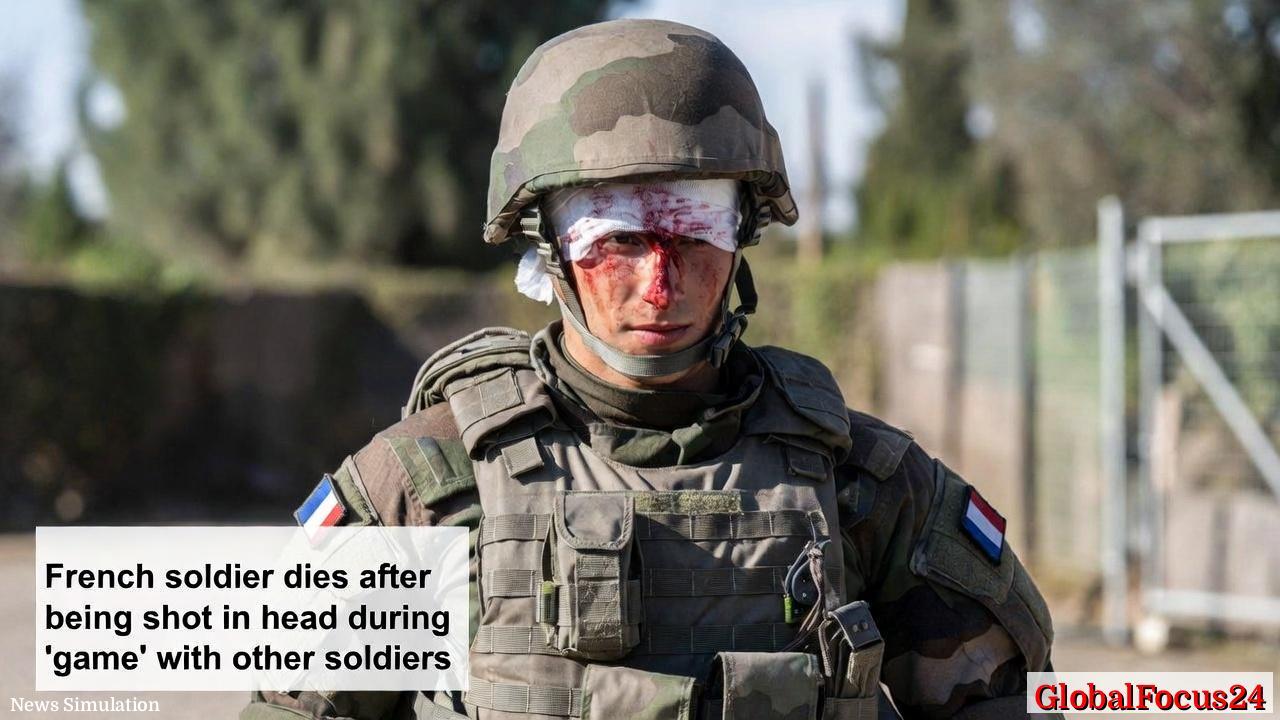
A French soldier died after being shot in the head during what authorities described as a “game” among fellow soldiers, an incident that has reverberated through military circles and prompted rapid reviews of training protocols, safety standards, and personnel oversight. The tragedy, occurring in a controlled training environment, underscores the tension between rigorous exercise and the safety imperatives that govern modern armed forces. Officials say the circumstances are under investigation, and they have pledged full transparency as the inquiry proceeds.
Historical Context: Lessons from Past Tragedies and Evolving Training Culture
Military training has long balanced the demands of real-world readiness with the imperative to minimize risk to personnel. In the post-World War II era, nations expanded their combat training programs to reflect evolving warfare, including the integration of live-fire exercises, simulated combat scenarios, and complex drills designed to replicate high-stress environments. Throughout history, isolated accidents during training have prompted reforms, stricter safety oversight, and changes to protocols around weapon handling, supervision, and morale and discipline.
France, with its long-standing military tradition and a dense network of training facilities, has periodically revisited safety standards in response to incidents across different branches. The incident in question arrives amid broader global conversations about how to maintain operational preparedness while safeguarding soldiers from preventable harm. In many European air, land, and sea services, training models increasingly emphasize risk assessment, independent safety reviews, and clearer accountability for drill coordinators, all aimed at reducing the likelihood of preventable injuries or fatalities.
Economic Impact: Costs, Reforms, and the Ripple Effects
The immediate economic implications of a fatal training incident extend beyond the personal tragedy for the family and unit involved. Investigations typically trigger reviews of training budgets, equipment procurement, and facility maintenance, with potential short-term pauses in certain exercises as safety protocols are reassessed. While military budgets are often compartmentalized, a high-profile incident can influence procurement priorities, including the evaluation of training devices, protective gear, and weapon handling simulators.
Additionally, there can be longer-term cost implications for defense contractors and commercial partners who provide safety equipment, simulators, and training software. If the incident leads to stricter safety standards or revised operating procedures, manufacturers may face additional compliance costs or the need to adapt products to meet new guidelines. Conversely, heightened attention to safety can spur innovation in protective equipment and training technologies, potentially yielding cost savings over time through fewer injuries and more efficient drills.
Regional Comparisons: How Safety Protocols Vary Across Militaries
Different countries balance the risk-reward equation of military training in distinct ways, reflecting legal frameworks, cultural norms, and organizational structures. For example, some European defense forces have centralized command structures with robust external oversight for training activities, while others rely more heavily on unit-level leadership and internal risk assessments. In the United States, military training safety is guided by a mix of federal regulations, service-specific directives, and comprehensive safety programs that include formal investigations for any fatality or serious injury during training.
In regional comparisons, the common thread is a continual push toward improving safety without compromising readiness. Countries with advanced training ecosystems tend to invest in high-quality protective equipment, simulation technologies, and standardized debrief procedures after drills. The incident raises questions about how France’s armed forces compare to peers in terms of incident reporting, transparency, and the speed with which safety reforms can be implemented across all branches.
What Happened: A Closer Look at the Incident and Immediate Aftermath
According to initial reports, a soldier participating in a training exercise sustained a fatal head injury during an activity described as a game among participants. Details about the nature of the exercise, the location, and whether live rounds were involved remain the subject of ongoing inquiry by military investigators. Security measures surrounding the incident have been tightened in the immediate aftermath, with authorities stating that all related drills are under review to identify potential risk factors, procedural gaps, or lapses in supervision.
Families and communities connected to the unit have expressed grief and concern, with leadership assuring that support services are being made available to affected personnel. Public reaction has included calls for full accountability, greater transparency in the investigation process, and assurances that lessons learned will translate into concrete safety improvements. As the inquiry progresses, officials have emphasized that the primary priority is to determine the exact sequence of events and to implement reforms designed to prevent any recurrence.
Safety Protocols and the Path to Reform: What Changes Might Be on the Horizon
Incidents like this typically trigger a comprehensive examination of multiple facets of training safety, including:
- Weapon handling protocols: Revisions to how weapons are distributed, checked, and monitored during all phases of training, with particular attention to drills that involve simulated or live-fire elements.
- Supervision and accountability: Clarified responsibilities for drill supervisors, safety officers, and command staff, ensuring clear lines of authority and rapid escalation pathways if concerns arise.
- Protective equipment and environment: Evaluation of protective gear and the suitability of training environments to minimize exposure to head injuries and other harm.
- Debriefing and risk assessment: Strengthened after-action reviews with formal risk factor identification and corrective action tracking to ensure lessons are captured and implemented.
- Documentation and transparency: Improved incident reporting practices to ensure timely and accurate public communication while safeguarding operational security.
Public Reaction and Perception: Balancing Confidence with Accountability
Public sentiment surrounding military training incidents often blends sympathy for affected personnel with a demand for rigorous accountability. In many communities, the military’s credibility hinges on demonstrating that safety is non-negotiable and that mistakes are addressed openly. Transparent investigations, timely updates, and visible reforms can help build or restore trust, even as stakeholders reckon with the tragic consequences of the event.
Regional media coverage—while avoiding politicking or partisan bias—typically focuses on the human impact, the procedural safeguards in place, and the steps being taken to prevent future harm. For the armed forces, maintaining morale and confidence among troops and their families depends on the perception that the organization learns from incidents and prioritizes the well-being of its personnel.
Operational Readiness in the Wake of an Incident
While the incident does not necessarily imply a broader systemic issue, it raises questions about how training cycles are designed and supervised. Commanders often respond by temporarily adjusting schedules, increasing oversight on high-risk activities, and reinforcing mandatory safety briefings. In the longer term, the incident can influence how training is sequenced, how risk is communicated to participants, and how success is measured in drills that test decision-making under pressure.
Economic and strategic considerations also come into play as militaries seek to maintain readiness while ensuring safety. Regions with growing defense budgets may prioritize investments in safe training infrastructure, including advanced simulators and controlled live-fire environments, to reduce the reliance on high-risk activities. Conversely, tighter budgets can complicate efforts to upgrade safety equipment and facilities, making the commitment to safety all the more critical.
Historical precedents show that meaningful reform often follows careful investigations that identify systemic weaknesses rather than assigning blame to individuals in isolation. When lessons from such incidents are embedded into policy, training programs tend to become more resilient, lowering the probability of future tragedies while preserving the ability to prepare soldiers for complex, real-world scenarios.
Conclusion: A Turning Point in Safety Culture and Training Excellence
The death of a soldier during a training exercise is a stark reminder that even the most disciplined institutions must continually scrutinize their practices. As authorities conduct their investigation, the emphasis for the armed forces will be on implementing robust safety measures, enhancing supervision, and strengthening the safeguards that protect those who volunteer to serve. The path forward will likely involve a combination of procedural reforms, investments in protective technology, and a renewed commitment to transparency and accountability.
In the broader context, this incident serves as a prompt for international comparison and ongoing dialogue about best practices in military training. By examining how neighboring and allied forces address similar risks, policymakers can identify opportunities for collaboration, standardization of safety protocols, and shared investments in safety innovation. The ultimate objective is clear: to uphold the highest standards of safety while preserving the capacity to train effectively, prepare for evolving threats, and protect the lives of those who stand between danger and the communities they serve.