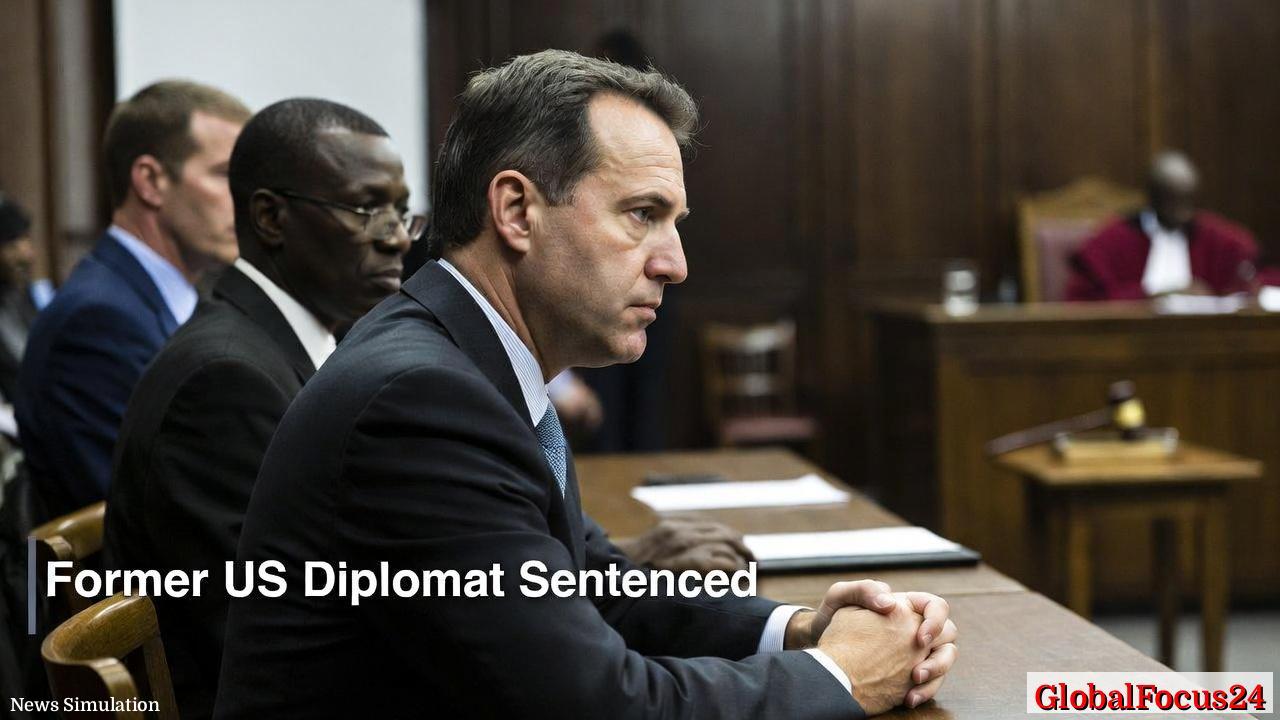
Former U.S. Diplomat Sentenced to Life for Abuse of Minors in Burkina Faso
A former United States diplomat has been sentenced to life imprisonment for sexually abusing two underage girls in Burkina Faso, marking a high-profile case that reverberates through diplomatic accountability, regional security concerns, and the protection of vulnerable populations in international posting environments.
The verdict concludes a years-long legal process that began after investigators uncovered allegations of abuse involving a then-employee of the U.S. embassy in Ouagadougou, Burkina Faso’s capital. The sentencing, handed down by a federal court, reflects a broader shift in how diplomats and international staff are held to account under United States law and international commitments to child protection.
Historical Context and Legal Trajectory
- A long-standing framework: The United States has long maintained guidelines and legal mechanisms intended to protect minors in all overseas postings, including personnel conduct standards, mandatory reporting requirements, and cooperating with host nations’ law enforcement. This case illustrates the reach of U.S. jurisdiction when crimes occur abroad and involve U.S. government personnel.
- International norms: The case sits within a larger historical arc of international efforts to combat child exploitation, including conventions and protocols that emphasize the protection of children in conflict and post-conflict zones, as well as the responsibilities of foreign missions to vet staff and monitor behavior.
- The investigation timeline: Authorities began scrutiny following complaints from the victims and related welfare checks conducted by U.S. embassy staff. Investigators coordinated with Burkina Faso’s judicial system, regional prosecutors, and U.S. federal prosecutors to build a case that demonstrated jurisdiction, evidence, and intent beyond reasonable doubt.
- Sentencing significance: A life sentence underscores the severity of the offenses and the gravity with which the justice system treats crimes against minors, particularly those committed by individuals in trusted positions of authority.
Profile of the Case
- The accused: The individual in question held a position within the U.S. diplomatic mission in Burkina Faso, a role that typically involves public service, cultural liaison, and sensitive assignments. The charges centered on sexual abuse of two girls aged 13 and 15 at the time of the offenses, crimes that carry steep penalties under both U.S. federal law and applicable international legal frameworks.
- The victims: The two young girls, whose identities have been protected for safety and privacy reasons, were residents of the Burkina Faso community where the embassy staff member conducted his duties. Their experiences underscore the vulnerability of minors in environments where power dynamics can complicate reporting and accountability.
- The prosecution theory: Legal arguments emphasized predatory conduct, abuse of a position of trust, and the exploitation of a power imbalance. Prosecutors presented evidence detailing acts committed in the course of the perpetrator’s official and social interactions with the victims, along with corroborating testimony from witnesses and investigators.
Economic and Social Impact
- Reputational and operational implications: The case has potential ramifications for the perception of international missions in West Africa, influencing how host communities view safety protocols around foreign diplomats. Embassies typically respond by reviewing safeguarding policies, enhancing staff training, and strengthening channels for whistleblowing and victim support.
- Community trust and protection programs: In Burkina Faso, community organizations, NGOs, and civil society groups engaged in child protection may leverage high-profile cases to advocate for stronger screening, ongoing monitoring of expatriate staff, and improved access to psychological and legal support services for survivors.
- Budgetary considerations: Diplomatic missions frequently allocate resources to safeguarding programs, partner with local authorities, and fund awareness campaigns. When cases of abuse arise, there can be adjustments in risk management spending, including enhanced background checks, mandatory ethics training, and stricter supervision of personnel assigned to sensitive local roles.
- Economic resilience and regional development: The broader West African region has continued to attract international development projects, humanitarian assistance, and security collaborations. Ensuring that personnel adhere to rigorous ethical standards supports the continuity and effectiveness of these programs, reducing the risk of disruption due to reputational damage or legal actions.
Regional Comparisons and Context
- West Africa safety standards: Across neighboring countries, legal frameworks address crimes against minors, with varying levels of enforcement and resources. This case highlights the universal importance of safeguarding within international institutions operating in the region.
- Diplomatic accountability benchmarks: Other nations have faced similar inquiries into misconduct by officials abroad. The evolving landscape emphasizes transparent investigative processes, cooperation with host-country authorities, and the consistent application of penalties proportional to the crimes.
- Child protection ecosystems: Burkina Faso’s civil society and governmental bodies have long engaged in child protection initiatives, including education campaigns, protection hotlines, and community surveillance networks. The execution of a severe sentence against a foreign official can influence public confidence in these protective systems and encourage ongoing collaboration between international partners and local agencies.
Operational Safeguards and Future Steps
- Strengthening screening and monitoring: International missions are increasingly implementing comprehensive background checks, ongoing behavioral monitoring, and clear, confidential reporting channels for staff and local partners. This case serves as a catalyst for reviewing and upgrading such safeguards.
- Victim-centered support: Effective response mechanisms require robust victim services, including counseling, legal guidance, and safe housing where needed. International organizations typically coordinate with host-country services and NGOs to ensure accessible, culturally appropriate care.
- Policy harmonization: There is a push toward harmonizing safeguarding policies across different agencies and missions to reduce gaps, ensure consistent disciplinary actions, and streamline cross-border cooperation in investigations.
- Transparent communications: While preserving privacy, missions aim to communicate clearly with host communities about accountability measures, safeguarding improvements, and the commitment to upholding human rights standards worldwide.
Public Reaction and Societal Impacts
- Community sentiment: News of the sentence has elicited a mix of relief and concern within Burkina Faso and among international observers. Many express relief that justice was pursued; others emphasize the ongoing need for survivor support and preventative measures to protect children in all environments where foreigners work.
- Media and civil society discourse: Commentators may discuss the balance between diplomatic immunity, accountability, and the obligation to safeguard local communities. Civil society groups often advocate for increased transparency in investigations and the implementation of longer-term prevention programs.
- Public safety priorities: The case underscores the importance of prioritizing child protection in any setting where children and power-imbued relationships intersect. Governments and international organizations alike continue to emphasize that safeguarding is non-negotiable and central to their missions.
Historical Significance and Lessons Learned
- A turning page for accountability: The sentencing contributes to a growing historical trend where individuals in positions of trust, including diplomats and international staff, face serious consequences for crimes against minors. This trend supports the principle that accountability does not end at the border.
- Lessons for diplomatic practice: The case highlights the need for ongoing education about ethics, boundaries, and safeguarding, particularly for those who operate in communities far from home. It also reinforces the value of independent review mechanisms and whistleblower protections to detect and deter abuse early.
- Long-term trust-building: Rebuilding trust after such incidents requires sustained commitments—from improved safeguarding policies to transparent reporting and victim-centered remediation. This approach helps ensure that international missions can continue to deliver essential aid and diplomatic functions without compromising safety or ethics.
Broader Implications for International Work
- Duty of care in overseas postings: The case reaffirms the essential duty of care that institutions have toward vulnerable populations in host countries. This includes comprehensive risk assessments, secure reporting channels, and rapid, coordinated responses to allegations.
- Collaboration with host governments: Strengthened cooperation with Burkina Faso’s law enforcement and judicial systems remains critical. Joint training, resource sharing, and mutual accountability frameworks help ensure that cases are handled effectively and that victims receive appropriate support.
- Future of diplomatic staffing: These developments may influence recruitment and assignment practices, with more rigorous screening, enhanced supervision of personnel in sensitive roles, and ongoing ethics training as standard components of international service.
Conclusion
The life sentence handed down to a former U.S. diplomat for the sexual abuse of two minors in Burkina Faso stands as a stark reminder of the enduring imperative to protect children, regardless of geography, and to hold individuals in positions of trust to the highest standards of accountability. It reflects a global commitment to addressing grave abuses with seriousness and urgency, while reinforcing the need for robust safeguarding practices within international missions. As communities in Burkina Faso and beyond continue to grapple with the aftermath, the case serves as both a somber warning and a catalyst for stronger protections, better systems of reporting, and a renewed focus on the dignity and safety of every child.