Minnesota Church Protest Arrest Sparks National Conversation on Activism and Faith
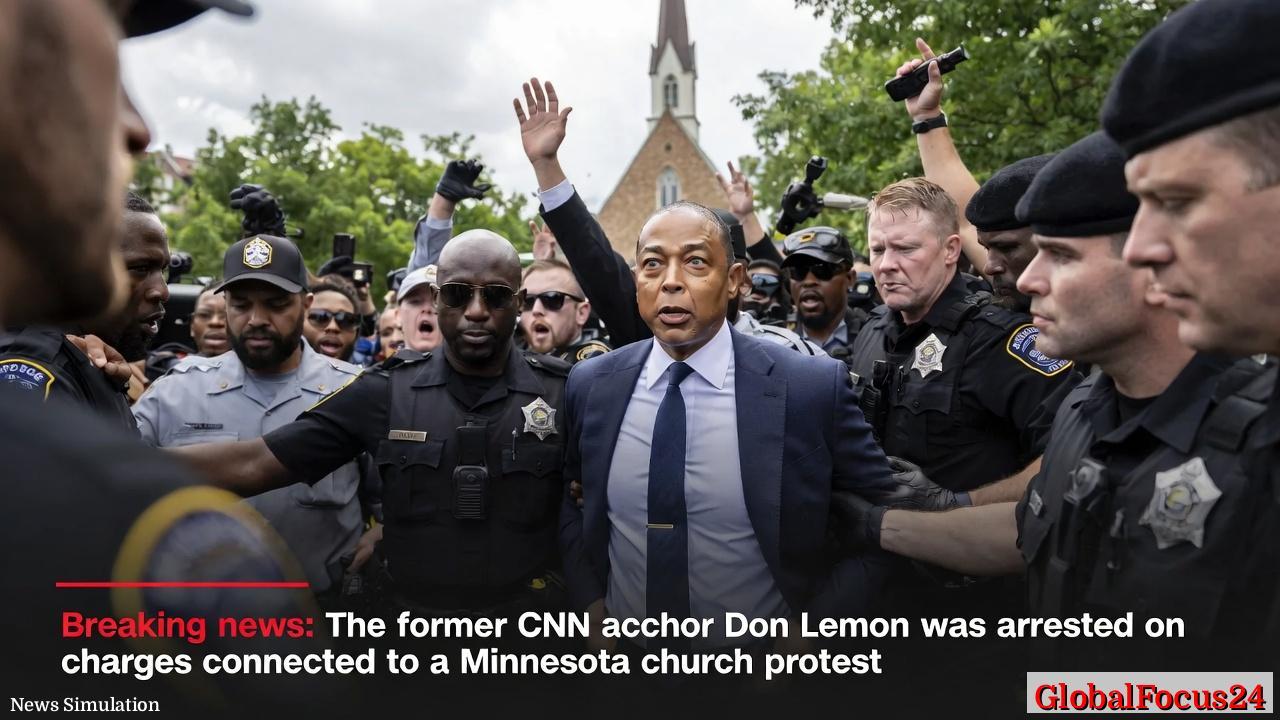
A former high-profile television anchor was arrested in connection with a protest at a Minnesota church, a development that has reverberated across faith communities, legal observers, and regional publics. The incident has prompted renewed examination of the boundaries between peaceful assembly, public demonstration, and religiously affiliated spaces, while also highlighting the role of media figures in contemporary social movements.
Historical backdrop and context
- Protests housed within religious spaces have a long, fraught history in the United States, dating back to civil rights demonstrations of the 1950s and 1960s. Such episodes tested the balance between constitutional rights—especially freedom of speech and assembly—and the sanctity and safety of worship spaces. Throughout decades, court rulings have shaped where and how protests can occur, often emphasizing the rights of individuals to express views while also protecting the rights of congregations to operate without disruption. This context helps readers understand why protests in or around churches have repeatedly become flashpoints in public discourse.
- Minnesota has a varied landscape of religious communities and active civic engagement, making it a focal point for discussions about how faith organizations interact with public demonstrations. The state’s history of both strong secular civic participation and vibrant religious life provides a nuanced backdrop for evaluating contemporary events around protest and church property rights. The current situation can be seen as part of a broader national conversation about where dissent ends and community welfare begins.
Economic and regional implications
- Protests adjacent to religious institutions can influence local economies in several ways, including impacts on nearby businesses, tourism to historic or architecturally significant churches, and the potential for increased security expenditures by faith communities. In regions with dense urban cores, a protest event near a church can trigger ripple effects on street retail, public transit usage, and neighborhood safety planning. These dynamics align with broader findings on how public demonstrations affect local commerce and municipal budgets. The Minnesota case highlights that even peaceful expressions can have tangible cost implications for host institutions and surrounding enterprises.
- Comparisons with neighboring states show that urban centers frequently experience greater logistical and financial pressures during high-profile demonstrations. Cities with robust media ecosystems and high foot traffic often see amplified attention and longer-lasting economic effects, as businesses weigh staffing, crowd management, and insurance considerations during and after protests. The current event thus sits within a broader regional pattern where civic action intersects with institutional spaces and urban economics.
Legal considerations and rights
- The arrest linked to a church protest underscores enduring questions about peaceful assembly, solicitation, trespass, and the rights of congregations to maintain a worship environment. Legal analyses of similar cases typically explore whether protest actions crossed lines into disruption or damage, and how law enforcement balances First Amendment protections with the safety and sanctity of religious spaces. Observers emphasize that outcomes often hinge on the specifics of the venue, the actions of participants, and local ordinances governing demonstrations near houses of worship. The Minnesota incident provides a contemporary datapoint in this ongoing legal conversation.
- Nationally, court decisions have repeatedly affirmed that non-violent protests are a protected form of expression, while also recognizing the rights of property owners and religious groups to enforce reasonable safety measures. As this case unfolds, legal enthusiasts and policy makers will watch for how the judiciary interprets actions around protest activities in sacred spaces and what precedents might emerge for future demonstrations.
Public reaction and media landscape
- Public response to protests at religious sites often reflects broader social currents, including debates about civil disobedience, respect for faith communities, and the responsibilities of public figures who participate in demonstrations. The involvement of a well-known media figure in such events intensifies scrutiny, bringing questions about accountability, journalistic ethics, and the line between commentary and action into sharper relief. Community members may feel galvanized or unsettled, depending on their alignment with the protest’s aims and their personal relationships to the church or city. The Minnesota case illustrates how celebrity involvement can influence public sentiment and media coverage around activism in sacred spaces.
- Political and civic leaders frequently frame protests in terms of public safety, constitutional rights, and community cohesion. Local officials may stress the importance of orderly conduct while acknowledging the right to dissent, aiming to reassure residents and faith communities alike. In the wake of such events, civic organizations often mobilize to provide information, legal resources, and channels for dialogue among congregants, residents, and protesters.
Historical parallels and regional comparisons
- Across American history, protests tied to religion have sometimes catalyzed lasting social change or, conversely, fueled backlash. The tension between expressive liberties and devotional spaces has prompted diverse courtroom outcomes and policy responses, with communities adapting their safety protocols and public engagement strategies in response to evolving norms around dissent and faith. By examining past episodes, observers can better discern how today’s Minnesota event might shape future interactions between religious life and public demonstrations.
- In the Midwest and neighboring regions, urban centers frequently test the limits of protest logistics near churches and other community hubs. Lessons drawn from similar demonstrations suggest that proactive coordination among faith leaders, law enforcement, and organizers can help minimize disruption while preserving the right to peaceful assembly. The Minnesota incident sits within this regional pattern, offering a lens to compare responses, security considerations, and community outreach strategies across cities of comparable size and demographic makeup.
What this means for faith communities and civic life
- For congregations, the event underscores the importance of clear guidelines on public demonstrations near property and how congregations can protect worship spaces while remaining welcoming to peaceful protestors. Many faith communities are reevaluating security measures, communications protocols, and collaborative engagement with local authorities to balance openness with safety. The evolving landscape invites leaders to articulate values that prioritize both civil engagement and the sanctity of worship experiences.
- For civic participants and organizers, the incident highlights the need for transparent planning, clear objectives, and respectful interaction with faith communities. Demonstrators may seek to minimize unintended disruption by coordinating with church leadership and local officials, while still pursuing their advocacy goals. This approach can foster constructive dialogue and help build trust between diverse segments of the community.
A look ahead: potential outcomes and trajectories
- Legal outcomes will likely clarify how far organizers can push protest activities in proximity to religious spaces without crossing into unlawful conduct. Predictions depend on the case specifics, including the level of disruption, the behavior of participants, and the application of local ordinances. Observers will be watching closely for interpretations that could influence similar scenarios in other states and municipalities.
- Community impact will hinge on how faith leaders, activists, and local authorities collaborate moving forward. Programs that foster dialogue, mutual respect, and shared safety planning can help communities navigate disagreement while preserving the integrity and dignity of places of worship. The Minnesota case may serve as a catalyst for broader best practices in coordinating civil action with religious communities across the region.
Conclusion
- As protests intersect with religious spaces in a high-profile incident, observers gain a microcosm of the broader tension between free expression and sacred space. The episode prompts ongoing scrutiny of legal frameworks, economic implications, and community responses, while reminding readers that contemporary activism unfolds within a complex weave of history, law, and local culture. The evolving narrative will continue to shape policy conversations, public sentiment, and the practicalities of organizing peaceful demonstrations in shared civic spaces.