Ex-Prince Andrew Arrest Highlights Engine of UK Ethics and Accountability
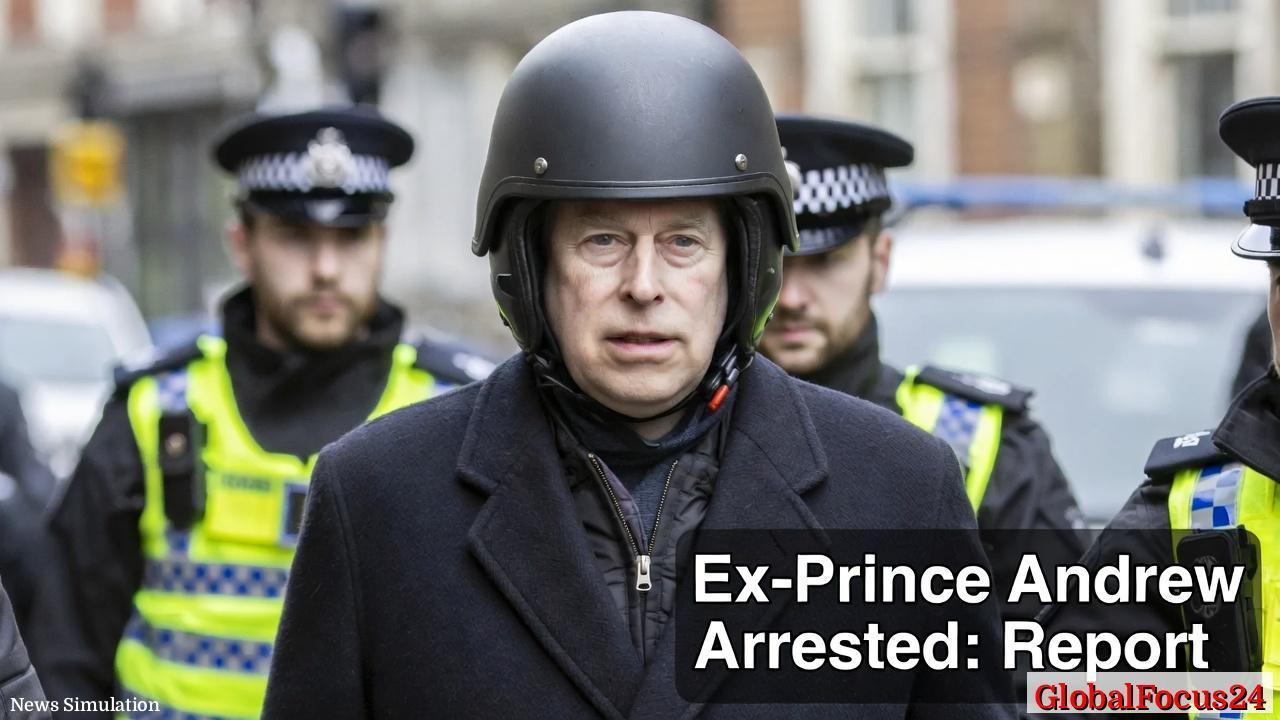
A high-profile arrest in the United Kingdom has intensified public focus on accountability for public figures and the mechanisms that govern conduct within the realm of wealth, power, and influence. The case centers on a former member of the royal family who previously held a prominent perch in British public life. Police authorities confirmed the arrest as part of an ongoing inquiry into misconduct in public office and related associations, underscoring the enduring tension between exemption expectations and the rule of law in contemporary Britain.
Historical context: the landscape of accountability and the royal role Britain’s constitutional framework has long balanced ceremonial duties with democratic oversight. The monarchy operates within a civil society that expects transparency from all public figures, even those whose positions are traditionally shielded by custom and privilege. Over the past two decades, high-profile investigations involving individuals connected to the royal family have tested this balance, prompting reforms in security, governance, and public accountability. The current case is situated within that broader arc, illustrating how modern policing and judicial processes increasingly scrutinize the actions of people with proximity to power, irrespective of status.
The arrest marks a moment when public institutions reaffirm that no one is above the law. The inquiry scrutinizes conduct in public office—specifically, whether official duties were improperly influenced or leveraged in a way that benefited private interests. The charges connect to alleged passing of sensitive or trade-related documents and other alleged improprieties tied to private- and public-sector interactions with international networks. While authorities have not provided a complete public account of all evidence, the development signals a continuing effort to illuminate complex intersections between state functions, personal relationships, and commercial activity.
Economic implications: governance, trust, and market perceptions Public confidence in institutions matters economically. When authorities demonstrate that they will pursue misconduct with due process, investors and markets tend to emphasize stability and predictable governance. Regions dependent on tourism, ceremonial diplomacy, and export-oriented industries watch closely how constitutional institutions regulate power and enforce standards. A credible, transparent process helps sustain a climate where business and civic life can proceed with balanced expectations about fairness and accountability.
Beyond reputational considerations, the case has potential implications for sectors connected to international networks and wealth management. Trade associations, private officers, and fiduciaries often operate in spaces where personal relationships intersect with formal duties. Scrutiny of conduct—especially involving the exchange of documents or sensitive information—highlights the importance of robust compliance frameworks within both public and private spheres. Firms and institutions may respond by enhancing due diligence, strengthening governance controls, and increasing oversight for high-net-worth clients who navigate cross-border arrangements. In such environments, the line between legitimate influence and improper advantage becomes a focus of risk management and regulatory attention.
Regional comparisons: how other markets manage similar inquiries Comparative perspectives shed light on how different systems react to similar scenarios. In several other advanced economies, independent investigations and timely disclosure are central to maintaining trust when controversies involve prominent figures. For example, jurisdictions with long-standing traditions of parliamentary oversight and strong anti-corruption frameworks typically emphasize clear separation between ceremonial roles and private interests, paired with rigorous due process. In markets where governance structures are more centralized or where media scrutiny is intense, public reactions can be immediate and amplified, potentially affecting policy debates and executive decision-making at the highest levels.
Within the United Kingdom, the rule-of-law approach emphasizes procedural fairness, with prosecutorial authorities and courts providing avenues for contested claims to be examined in public, transparent settings. This case, unfolding under such norms, demonstrates a commitment to due process even amid intense public interest. By contrast, some regional neighbors rely more on political mechanisms to address similar concerns, which can alter timelines, perceived legitimacy, and the consistency of outcomes. The ongoing case thus offers a reference point for evaluating how different governance models handle high-profile inquiries into conduct and influence.
Public reaction and societal impact Public sentiment surrounding cases involving royal connections often blends fascination with concern for institutional integrity. In modern Britain, audiences follow developments not only for the individuals involved but also for what the proceedings imply about the standards governing public service, diplomacy, and the management of private networks. Media attention tends to spotlight questions about accountability, while advocates for reform use such moments to push for clearer guidelines, stronger oversight, and enhanced transparency. Communities across regions may interpret the events through diverse lenses—some viewing accountability as a reinforcement of democratic norms, others seeking reassurance that traditional institutions remain anchored in contemporary ethical expectations.
The role of law enforcement and the judicial process The arrest is a procedural milestone in a broader legal process. It reflects proactive investigative work by law enforcement agencies that prioritize thorough collection and verification of evidence before formal charging decisions. The case emphasizes the principle that investigations can involve complex documentary records, international associations, and multi-jurisdictional considerations. As proceedings advance, the public can expect updated disclosures, subject to legal protections and court rulings that balance public interest with individual rights. This dynamic illustrates how modern criminal proceedings adapt to evolving investigative challenges while upholding fairness and due process.
Implications for governance and ethics in public life The episode highlights several enduring themes relevant to governance and ethics:
- Transparency: The public expects accessible information about inquiries, within the bounds of legal considerations and privacy rights.
- Accountability: Public figures and their networks should be subject to the same standards as other citizens, reinforcing the principle that authority carries responsibilities.
- Compliance culture: Organizations connected to high-net-worth networks may strengthen internal controls, governance frameworks, and risk management practices to prevent improper influence or conflict of interest.
- Institutional resilience: How authorities respond to high-profile cases can influence long-run trust in public institutions and the perceived legitimacy of governance structures.
What the case means for future policy and practice Looking ahead, several implications may shape policy and practice:
- Strengthened oversight: Governments and regulatory bodies may seek to broaden or refine frameworks that govern the interaction between public duties and private interests, particularly in contexts involving international networks.
- Clearer conduct guidelines: Enhanced codes of conduct and more explicit boundaries for public figures handling sensitive information could be developed to prevent ambiguities that enable potential misconduct.
- Public communication standards: Agencies might establish more consistent channels for communicating investigations and outcomes to maintain trust and minimize misinformation during high-interest cases.
- International cooperation: Cross-border inquiries could lead to strengthened cooperation among law enforcement, financial regulators, and judiciary systems to manage complex, interconnected cases.
A longer view: historical parallels and enduring questions Throughout history, moments of accountability involving powerful individuals have served as inflection points in political and social development. They can catalyze reforms that improve transparency, reduce opportunities for improper influence, and reinforce public confidence in legal processes. Even as society grapples with sensational aspects of any case, the underlying question remains: How can institutions design safeguards that deter misuse of public office while preserving the integrity and dignity of public life?
Conclusion The arrest of a former royal figure on misconduct charges signals a continued commitment to upholding the rule of law and reinforcing ethical standards across all strata of society. As authorities proceed with the investigation, the case will likely contribute to ongoing conversations about governance, accountability, and the safeguards that ensure public offices are exercised with propriety. In a nation where history and ceremony carry weight, the ability of institutions to pursue clarity, fairness, and due process remains essential to sustaining public trust and economic stability in a rapidly changing world.