New Epstein Documents Prompt Reassessment of High-Profile Tech Ties and Rare Public Reactions
In a development that continues to reverberate through tech and philanthropy circles, newly released documents related to Jeffrey Epstein surface emails from 2013 detailing alleged conversations about Bill Gates, private health concerns, and requests for confidentiality. The material arrives amid ongoing scrutiny of Epstein’s network and the broader topic of how charitable giving, high-net-worth associations, and philanthropic leadership intersect with controversial figures. While the documents raise questions about past interactions, they also illuminate the enduring tension between public trust, private conduct, and the responsibilities of major figures in technology and global philanthropy.
Historical backdrop: a decade of scrutiny and shifting norms The Epstein saga has tracked a long arc from late-20th-century financier to controversial figure whose circle included well-known business leaders, scientists, and philanthropists. Over the years, investigations and media reporting have focused on the nature of Epstein’s relationships with individuals who wield significant influence in science, technology, and policy. The 2013 email exchanges in question sit within a broader historical context in which public attention increasingly demands transparent boundaries around distinguished figures’ personal associations. This period also corresponds with a broader culture shift regarding private networks among billionaires and high-profile philanthropists, and with heightened expectations that personal relationships do not blur lines of professional responsibility or ethical standards.
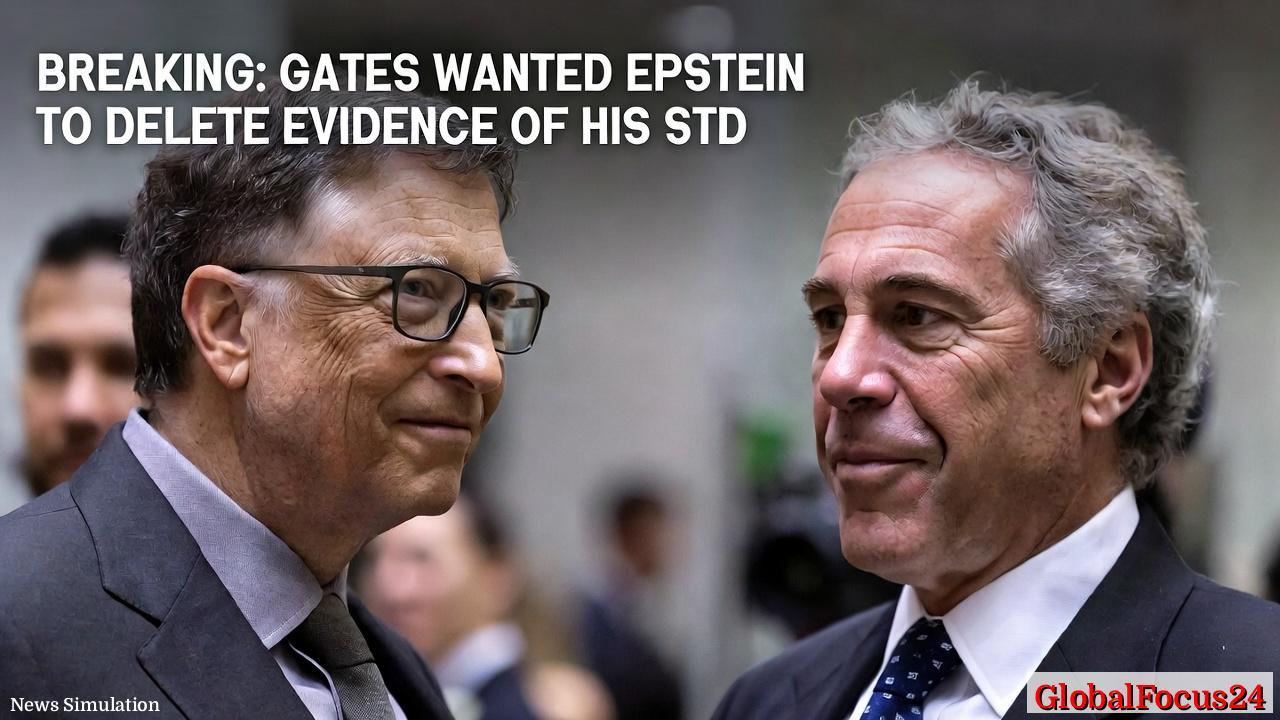
Documentary thread: what the newly released materials allege The released messages reportedly include Epstein describing an interaction in which he claimed Bill Gates contracted a sexually transmitted disease from encounters with Russian women and sought antibiotics to administer secretly to Melinda Gates. The same documents suggest Gates requested deletion of emails related to the STD, the antibiotic request, and a description of Gates’ penis. Epstein allegedly expressed frustration at the end of their association. Gates has publicly characterized his meetings with Epstein as a mistake and has denied wrongdoing or a close relationship.
It is essential to distinguish between allegation and substantiated fact in any coverage of sensitive personal information. At this stage, independent verification, corroborating evidence, and ruling on the credibility of the claims require careful, transparent inquiry. The reporting points to significant questions about how individuals manage complex relationships with controversial figures, how such associations are perceived by the public, and what accountability measures are in place within the philanthropic and tech communities.
Economic impact: implications for donor trust, philanthropy, and corporate governance
- Donor confidence and charitable giving: Public confidence in philanthropy hinges on clear ethical boundaries and demonstrable separation between charitable activities and any association with criminal or controversial figures. When sensational material surfaces, nonprofit leaders, foundations, and corporate donors may reassess risk, governance frameworks, and due diligence processes to maintain trust among beneficiaries, grantees, and the general public.
- Corporate governance and reputational risk: For technology leaders and firms connected to high-profile philanthropic activities, reputational risk is an ongoing calculus. Boards of directors and executives may emphasize robust conflict-of-interest policies, transparency in funding decisions, and careful scrutiny of external relationships to avoid potential distractions or accusations that could affect investor sentiment, talent recruitment, and strategic partnerships.
- Philanthropy strategy and impact assessment: Foundations often measure impact through rigorous evaluation frameworks, transparency in disbursements, and alignment with mission goals. When personal associations become scrutinized, grantmaking strategies may pivot toward clearer governance structures, independent oversight, and heightened disclosure to reassure stakeholders that programmatic outcomes remain the primary focus.
Regional comparisons: how different markets respond to integrity concerns
- United States: In major metropolitan tech hubs and philanthropic centers, high-profile scrutiny of personal associations tends to prompt governance improvements across sectors. Organizations often respond with stricter conflict-of-interest policies, enhanced whistleblower protections, and increased transparency in donor relationships. Public discourse in the U.S. is typically shaped by media coverage, regulatory considerations, and ongoing debates about the balance between privacy and accountability.
- Europe: European audiences frequently emphasize robust regulatory oversight and formal governance standards for charitable organizations. Data privacy norms, along with stricter lobbying and funding disclosures, can lead to more rigorous reporting requirements. Reputational concerns influence cross-border collaborations and the willingness of European foundations to partner with institutions tied to controversial figures, even indirectly.
- Asia-Pacific: In regions where philanthropy intersects with rapid technological development and state-driven innovation, responses may prioritize maintaining public trust and ensuring programmatic integrity. Donors and recipients alike may stress measurable outcomes and transparent practices to sustain community support in the face of any alleged improprieties.
Subheadings: context, credibility, and consequences Context: The Epstein network’s broader implications for science and technology The broader Epstein narrative has intersected with scientific research, entrepreneurship, and high-level philanthropy. For many observers, the repeated appearance of sophisticated networks around influential figures underscores the importance of clear boundaries between personal life and professional or philanthropic responsibilities. The ongoing discourse emphasizes governance reforms, ethical standards, and the safeguarding of vulnerable parties within research and education ecosystems.
Credibility: Assessing sources and the standard of proof In journalism and public reporting, the reliability of leaked or newly released documents hinges on corroboration, chain-of-custody integrity, and independent verification. Given the potential for sensationalism or misinterpretation, experts advocate for cautious examination, cross-checking with original communications, and official statements from involved individuals. As with any high-profile case, a rigorous, fact-based approach helps avoid conflating rumors with verified information while still acknowledging its potential significance.
Consequences: public reaction and sector-wide responses Public reaction to such revelations often ranges from surprise to skepticism, with many demanding greater transparency. For technology firms and philanthropic institutions, these moments can catalyze policy revisions, stronger governance practices, and renewed emphasis on ethical leadership. While not all allegations lead to formal investigations, even the appearance of impropriety can influence stakeholder perceptions and strategic decisions for years to come.
Background: how high-profile philanthropy evolved to emphasize accountability The evolution of philanthropy over the past few decades has seen a shift toward greater accountability and measurable impact. Foundations increasingly publish grant lists, impact reports, and governance disclosures, enabling beneficiaries and donors to assess program effectiveness. This transparency culture helps communities manage expectations around funding sources and align resources with mission-driven outcomes. The current discussion around Epstein-related documents sits within this broader trend toward public-facing accountability.
Implications for future investigations and institutional reforms
- Due diligence enhancements: Donors and foundations may expand background checks, network analyses, and risk assessments to better identify potential conflicts of interest and reputational risk.
- Independent oversight: Boards may appoint independent auditors or ethics committees to review governance practices, grant-making processes, and any external relationships that could affect mission integrity.
- Public communication strategies: Organizations are likely to adopt more proactive communication plans, ready to address inquiries promptly, provide context, and demonstrate ongoing commitment to ethical standards.
A note on language and nuance The material discussed involves sensitive personal allegations. Responsible reporting emphasizes separating verified facts from conjecture and presenting context that helps readers understand potential implications without attributing unverified conclusions to individuals or institutions. In reporting to a broad audience, it is important to maintain fairness, avoid sensationalism, and focus on the governance and societal implications rather than sensational detail.
Public reaction and cultural resonance The public’s response to revelations about private associations with powerful figures often reveals broader concerns about equity, safety, and accountability in elite circles. Communities watch closely for signals that prominent leaders are held to the same standards as others when it comes to ethical conduct and transparency. As coverage evolves, stakeholders may look for clear, evidence-based updates and tangible improvements in governance structures within philanthropy and technology sectors.
Bottom line: what this means for the intersection of technology, philanthropy, and public trust The emergence of new materials related to Epstein’s correspondence with Bill Gates situates a broader conversation about the responsibilities of the wealthy and influential in modern society. It underscores the importance of rigorous governance, transparent reporting, and a steadfast commitment to ethical standards in both technology leadership and philanthropic endeavors. While the facts require careful validation, the potential implications for donor trust, corporate governance, and public perception are real and lasting.
In the weeks ahead, observers will be watching for official responses, independent investigations, and any policy changes implemented by foundations and technology firms aiming to reinforce accountability. As the sector reflects on these developments, the overarching goal remains clear: to ensure that charitable work and technological progress advance with integrity, transparency, and a focus on the welfare of the communities they aim to serve.