New Atlas Maps Transcription Factors Steering CD8+ T Cells Toward Exhaustion or Residency
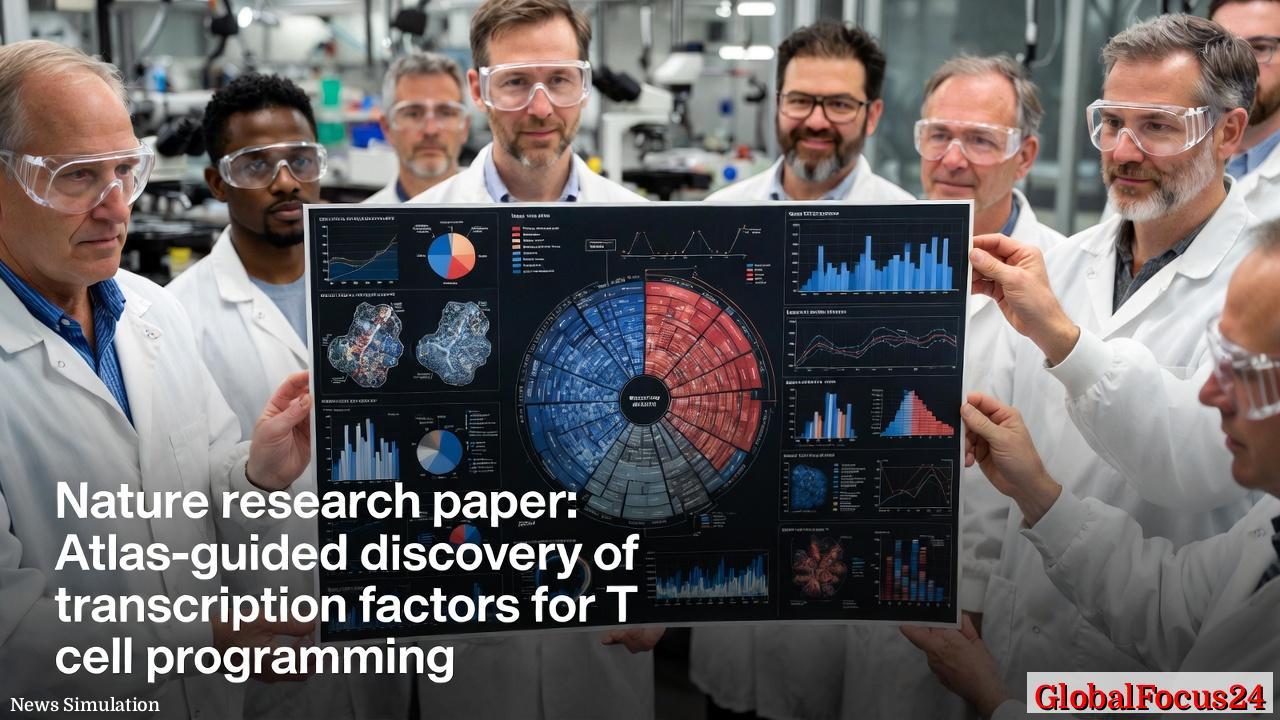
A new atlas of transcription factors reveals how CD8+ T cells, a cornerstone of the adaptive immune system, are programmed to either become exhausted or establish tissue residency. By integrating genetic and epigenetic data from diverse T cell states in mouse models of viral infection and human tumors, researchers have identified both state-specific and broadly active factors that shape the fate and function of these critical cells. The work holds promise for more effective immunotherapies and a clearer understanding of immune dynamics across infections and cancer.
Historical context: charting T cell fate over decades The study builds on decades of immune research that has mapped the roles of CD8+ T cells in clearing infections and surveilling for malignant cells. Early work established that T cells can become exhausted in chronic infections and cancer, characterized by diminished effector functions and sustained inhibitory receptor expression. More recent advances highlighted tissue residency as another important T cell program, with resident memory T cells (T RM) patrolling barriers and tissues to provide rapid responses. The current atlas synthesizes these threads, offering a unified view of transcriptional and epigenetic drivers across states that are fundamental to how the immune system responds to persistent threats.
Key discoveries: state-specific and pan-state transcription factors
- State-specific factors: The atlas identifies 136 transcription factors unique to particular T cell states, including terminally exhausted cells and tissue-resident memory cells. Exhaustion-associated factors are linked to processes such as programmed cell death and proteolysis, while residency-associated factors relate to adhesion, growth factor signaling, and local tissue adaptation. These findings illuminate how certain factors reinforce a cell’s commitment to a given fate and how they might be manipulated to alter outcomes.
- Pan-state factors: In addition, 173 transcription factors were found to be active across multiple T cell states. These factors likely represent core regulators of CD8+ T cell identity and core functional capabilities, serving as potential levers for broad modulation of T cell responses without forcing a single fate.
Methodology: integrating multi-omic data to map regulation Researchers combined genetic and epigenetic profiling from mouse models of viral infections with human tumor datasets. They then used gene-editing techniques to test the functional roles of candidate factors in live models. By observing changes in inhibitory markers, memory cell preservation, cytokine production, and tumor control, they validated the causal roles of several transcription factors in steering exhaustion and residency programs. The cross-species concordance—where analogous patterns emerged in human T cells—is particularly noteworthy for translational relevance.
Validation and functional consequences: from bench to potential clinic
- Exhaustion factor manipulation: Removing exhaustion-associated transcription factors in experimental models reduced inhibitory receptor expression and other hallmarks of exhaustion. This intervention helped preserve memory-like features of T cells and enhanced their cytotoxic functions.
- Therapeutic synergy: The enhanced immune activity was further amplified when combined with existing therapies, suggesting a potential for combinatorial approaches that reprogram T cells to resist exhaustion while maintaining or boosting tumor-killing capacity.
- Memory and response: Preserving memory-like T cells correlated with improved long-term immune surveillance, a desirable outcome for sustaining anti-tumor immunity and durability of responses to chronic infections.
Regional and economic implications: a potential shift in immunotherapy landscapes
- Regional healthcare impact: As these transcriptional blueprints inform the design of engineered T cells, regions with robust biotech ecosystems—such as major research hubs in North America, Europe, and parts of Asia—could accelerate the translation into clinical-grade therapies. The ability to tailor T cell programs to exhaustion resistance or residency profiles may yield more effective treatments for hard-to-treat cancers and chronic infections, potentially reducing hospitalization costs and improving patient outcomes.
- Economic considerations: The development of next-generation T cell therapies frequently involves complex manufacturing, regulatory oversight, and personalized approaches. A clearer map of transcriptional levers could streamline target discovery and streamline production pathways, potentially lowering development times and enabling more scalable manufacturing. Partnerships between academic institutions, biotech start-ups, and established pharmaceutical companies may intensify, stimulating regional economies through investment, talent attraction, and clinical trial activity.
Comparative insights: how other tissues and diseases inform the picture
- Infections vs. cancer: CD8+ T cell programs in chronic infections share features with tumor-associated exhaustion, but the tumor microenvironment adds unique cues that influence transcriptional regulation. The atlas’s cross-condition perspective helps delineate which factors are universal regulators of T cell fate and which are context-specific.
- Tissue-resident memory relevance: T RM cells provide rapid, localized responses in tissues such as the skin, gut, and mucosal surfaces. Understanding the transcriptional underpinnings of residency can inform strategies to bolster mucosal immunity, vaccine efficacy, and regional disease control without triggering systemic inflammation.
- Translation potential: The observation that human T cells exhibit similar regulatory patterns to mouse models strengthens confidence in translating these findings to clinical applications. Still, interspecies differences underscore the need for careful validation in human systems and diverse patient populations.
Public reaction and scientific momentum: meeting an urgency The unveiling of a comprehensive transcription factor atlas arrives at a time of heightened interest in durable immunotherapies. Patients and clinicians alike are hopeful that more precise control of T cell fate could lead to therapies that are not only more effective but also more durable and safer. Researchers emphasize that while the atlas provides a map, the journey toward practical therapies will require careful navigation of safety, efficacy, and manufacturing realities. The momentum is reinforced by ongoing clinical trials exploring T cell modifications, combination regimens, and personalized approaches tailored to tumor types and infection profiles.
Future directions: paving the way for engineered T cell therapies
- Targeted reprogramming: By selectively altering exhaustion- and residency-associated transcription factors, scientists may design T cells with improved persistence, reduced inhibitory signaling, and enhanced tumor-killing capacity.
- Combination strategies: The synergy observed with existing therapies points to combination regimens that pair transcription factor modulation with checkpoint inhibitors, adoptive cell transfer, or oncolytic approaches to maximize clinical benefit.
- Biomarker development: The atlas offers potential biomarkers to monitor T cell state in patients, enabling more precise patient stratification, real-time assessment of therapy efficacy, and adaptive treatment adjustments.
Conclusion: a milestone in understanding T cell fate The new atlas provides a rich, integrated view of the transcriptional architecture that governs CD8+ T cell fate, highlighting both state-specific and broad regulatory factors. By connecting genetic and epigenetic regulation with functional outcomes in mouse models and human systems, the work advances our understanding of how T cells become exhausted or resident and how these programs can be leveraged for more effective therapies. As researchers continue to validate and translate these findings, the potential to reshape cancer and chronic infection treatments—delivering more durable responses and improved quality of life—appears increasingly within reach.