)
Iran War Fallout: National Security Realignments and Regional Implications in 2026
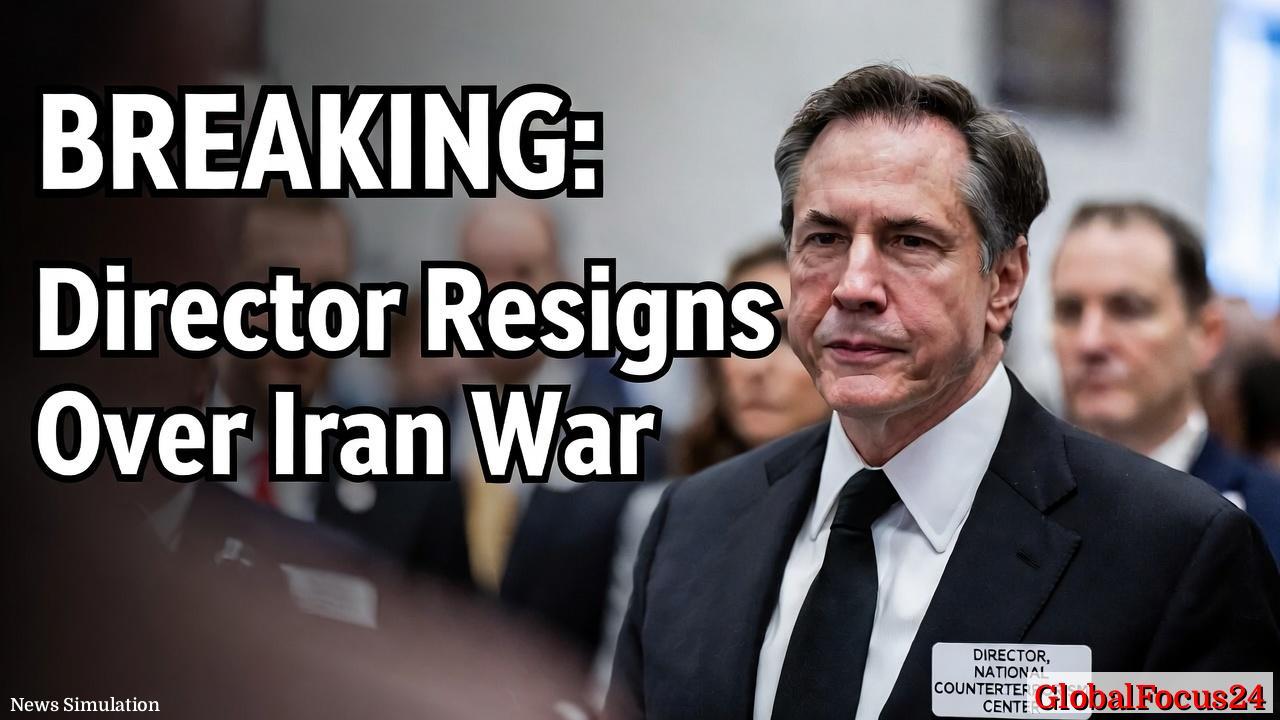
The resignation of a top U.S. national security official amid the Iran conflict has thrust a renewed spotlight on how presidential administrations, intelligence agencies, and congressional oversight intersect during times of escalating tension. As markets react to policy signals and the public weighs the human and strategic costs of ongoing hostilities, the episode underscores broader questions about threat assessment, alliance dynamics, and the ripple effects across the Middle East and global economies.
Historical context: a decade of shifting threat narratives To understand the current moment, it helps to reflect on the evolution of American national security thinking over the past decade. The Iran issue has oscillated between periods of calculated diplomacy and episodes of punitive pressure, often framed around concerns about nuclear capability, regional influence, and non-state actor networks. In this cycle, the perception of threat has frequently been mediated by actors beyond Tehran’s borders—regional proxies, cyber capabilities, and exterior powers seeking competitive advantage in the region. The resignation announcement, regardless of its exact wording or source, evokes a long-standing pattern: when policy decisions are perceived as driven by domestic political pressures rather than measured strategic analysis, trust in institutions can waver, and confidence in long-range forecasts can be unsettled.
Economic impact: markets, energy, and investment in a cautious climate The immediate economic responses to elevated geopolitical risk tend to reflect three intertwined channels: energy markets, defense spending expectations, and corporate investment sentiment.
- Energy markets: Amid renewed tensions, crude and refined product prices often respond to expectations of supply disruptions or sanctions pressure. While global oil supply chains have diversified since the 2010s, the Middle East remains a central node for pricing signals. In 2026, traders monitor Gulf energy flows, potential redirection routes, and the resilience of regional production capacities. Even modest shifts in forecasted supply can translate into broader price volatility, which in turn influences inflation expectations and monetary policy considerations in consumer economies.
- Defense and technology sectors: A sustained period of heightened risk can buoy defense contractors and related technology sectors tied to missiles, precision-strike capabilities, intelligence tools, and cyber defense. Governments may announce incremental increases in security funding or stockpiling of critical resources, prompting allocation shifts across public budgets and private portfolios. Investors weigh how much of a response remains kinetic versus diplomatic, and which alliances might expand or contract based on evolving risk appetites.
- Investment sentiment and supply chains: Uncertainty around conflict duration and diplomatic resolution can dampen international investment, particularly for projects requiring cross-border collaboration or long capital horizons. Multinational firms may reassess risk premiums, insurance costs, and the feasibility of large-scale capital undertakings in volatile regions. At the same time, defense and security technology ecosystems could accelerate innovation, driving public-private partnerships and export opportunities for compliant, peaceful applications of advanced capabilities.
Regional comparisons: how other leaders are recalibrating security postures Looking beyond the United States, neighboring regional players and key allies have responded with varied strategies to maintain stability while safeguarding national interests.
- In the Persian Gulf, security architecture and deterrence postures have become more nuanced. States in the region pursue a mix of naval presence, air defense readiness, and intelligence-sharing arrangements designed to deter miscalculation and limit escalation. These efforts often emphasize deconfliction channels, rapid export routes for energy, and resilience planning for critical infrastructure.
- In Europe, NATO allies monitor developments for potential spillover effects and coordinate with partners in the broader Middle East and North Africa. A renewed emphasis on cyber resilience, strategic stockpiles, and contingency planning for energy and transport corridors reflects a long-term approach to risk mitigation.
- In Asia, regional powers weigh the implications for global supply chains and technology export controls. The reverberations of a sustained Iran-focused crisis can influence diplomatic focus, trade negotiations, and defense investment, underscoring the interconnected nature of security decisions in a multipolar world.
Public reaction: a spectrum of concern, critique, and calls for accountability Public responses to a major counterterrorism leadership transition amid crisis are diverse. Some citizens advocate for more transparent threat assessments and clearer public communication about policy aims and timelines. Others stress the importance of ensuring that security operations remain within legal and ethical bounds, with robust oversight to prevent mission creep. Community organizations, think tanks, and industry groups may release joint statements or policy briefs outlining priorities for de-escalation, humanitarian considerations, and regional stabilization.
Institutional accountability: a nuanced look at governance and process The resignation event—whether framed as a principled stand or a reaction to perceived political pressure—highlights enduring questions about how national security policies are formed. Analysts often examine:
- The role of intelligence assessments in shaping policy decisions, and whether dissenting voices within the intelligence community receive appropriate consideration.
- The influence of lobby groups and international partners on strategic choices, and how this influence is balanced with congressional oversight and public accountability.
- The mechanisms for ensuring continuity of operations and decision-making during leadership transitions, especially in high-stakes domains like counterterrorism and crisis response.
Economic resilience and policy options for 2026 and beyond Governments and international institutions are exploring a range of policy options to bolster resilience while pursuing stabilization.
- Diplomatic engagement and negotiated arrangements: Renewed diplomacy focusing on hot spots, humanitarian corridors, and confidence-building measures can reduce the risk of miscalculation and dramatic escalations. While not a quick fix, steady diplomatic engagement has historically helped avert larger conflicts and supported longer-term economic recovery.
- Economic diversification and energy security: Nations dependent on regional energy flows may accelerate diversification strategies, invest in renewable energy, and strengthen strategic reserves to cushion price shocks. This approach supports macroeconomic stability even during periods of geopolitical turbulence.
- Technological governance and export controls: As technology plays a central role in security and commerce, careful governance of dual-use technologies helps prevent destabilizing spillovers while enabling legitimate innovation and trade. Policies aimed at safeguarding critical supply chains may include collaboration with allies on standards and screening processes.
- Domestic resilience and infrastructure investment: Strengthening critical infrastructure, cyber defenses, and emergency response capabilities enhances a country’s ability to absorb shocks from global events. Public-private partnerships can accelerate resilience while supporting economic activity.
Urban and regional implications: how cities and industries adapt The ripple effects of a high-stakes geopolitical event reach down to local economies and urban life. Ports adapt to shifting trade patterns; airlines adjust flight routes and schedules; manufacturers reconfigure supply chains to minimize exposure to single points of failure. Regional hubs with diversified economies—technology clusters, logistics corridors, and healthcare ecosystems—often demonstrate greater resilience by absorbing demand fluctuations, reorienting production lines, and attracting investment through targeted incentives. In areas with high energy intensity, fluctuations in fuel costs and electricity prices can influence everything from public transit budgets to residential heating costs, underscoring the importance of proactive planning and transparent communication from policymakers.
Key takeaways for stakeholders
- Clarity of purpose matters: coherent rationale for counterterrorism and national security actions helps maintain public trust and investor confidence.
- Oversight and accountability are essential: robust checks on executive decisions ensure policies reflect long-term interests rather than short-term political pressures.
- Regional stability support is a shared responsibility: cooperation among regional partners accelerates de-escalation and reduces systemic risk.
- Economic diversification reduces vulnerability: resilient energy and supply chain strategies cushion economies from external shocks.
In the evolving landscape of security and geopolitics, leadership transitions within national security institutions are more than internal matters; they reverberate through economies, markets, and lives. As nations navigate shifting threat calculations and strive for steadier paths forward, the imperative remains to balance decisive action with measured restraint, grounded in accurate intelligence, transparent governance, and a steadfast commitment to protecting civilians and stabilizing regions.