Minnesota Day-Care Controversy: State Closure Claims Clash with Center’s Ongoing Operations
A Minnesota day care center known as Quality Learning Center has become the focal point of a statewide dispute after state authorities reported its closure last week, while owners insist the facility remains in operation. The disagreement has unfolded amid conflicting narratives about safety inspections, licensing status, and the center’s ability to serve families during a season of heightened demand for child care.
Background and Timeline
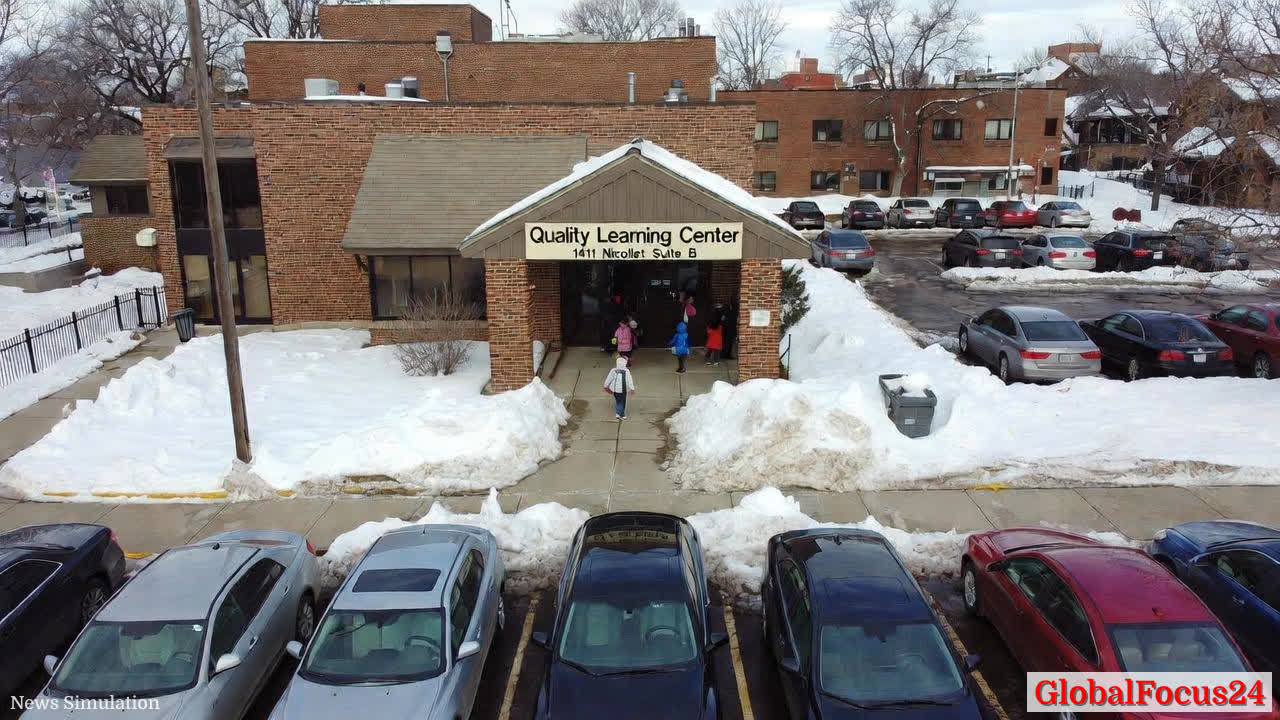
The Quality Learning Center is located at 1411 Nicollet Suite B in a neighborhood that historically has hosted a mix of early childhood education providers and community services. Local families have long relied on the center for daily supervision, educational programming, and age-appropriate activities designed to support developmental milestones in young children. The latest controversy began when state regulatory authorities notified the center of a closure order, citing compliance concerns that allegedly affected the center’s ability to meet licensing requirements.
In the days that followed, images circulated showing a parking lot full of vehicles in snowy conditions and children entering the building on a recent Monday. The visual evidence appeared to contradict official statements about the facility being shuttered by the state. Observers noted that the center’s exterior signage had been corrected in the wake of criticism after a prior misspelling of “Learning” as “Learing,” a detail that drew attention to the operation’s branding and attention to public perception.
Owner and operator statements have emphasized that the center remains open to families and that operations continue, arguing that the state’s closure order may relate to administrative processes rather than an immediate threat to child safety. The discrepancy between state accounts and operator assertions has prompted questions about licensing status, enforcement procedures, and how regulatory actions are communicated to the public during periods of ongoing review.
Regulatory Context and Standards
Child care licensing in Minnesota operates under a framework designed to safeguard the well-being of children while supporting families’ access to reliable care. Licensing standards cover facility safety, staff qualifications, background checks, caregiver-to-child ratios, nutrition, health practices, and program quality. When a licensing authority determines that a center does not meet one or more requirements, it can impose corrective action, temporary closures, or enforcement measures appropriate to the severity of the concern.
In cases where a closure is ordered, authorities typically outline the specific deficiencies and provide guidance on remediation timelines. The public health and safety dimensions of such actions are central to the state’s rationale for any enforcement, but practitioners and observers alike emphasize the importance of clear communication to avoid disrupting families who rely on the center for dependable care.
Economic and Community Impact
The controversy around Quality Learning Center has potential implications beyond the four walls of the facility. Day care centers play a critical role in local economies by enabling parents to participate in the workforce, pursue education, and meet family obligations. When a center faces closure or prolonged regulatory scrutiny, families may need to seek alternative arrangements, which can disrupt routines and create temporary gaps in care. Local employers could experience indirect effects if a significant portion of the workforce must adjust child care plans.
Moreover, the center’s employment footprint—teachers, aides, kitchen staff, administration—contributes to the regional economy through wages, procurement, and taxes. If the center remains open while regulatory issues are resolved, it could illustrate a clash between operational realities and formal closure designations, raising questions about how quickly families can adapt to changing care options and how authorities balance safety with continuity of service.
Historical Context: Minnesota’s Day Care Landscape
Minnesota’s approach to early childhood education and child care has evolved through several policy cycles, reflecting shifts in funding, demand, and safety standards. Historically, the state has supported a diverse ecosystem of providers, ranging from licensed centers to family-based home care. Communities have often relied on a mix of options to accommodate working families, seasonal needs, and educational programming.
The broader historical arc includes periods of increased scrutiny following national conversations about child safety and quality assurance in care settings. Public interest has typically intensified during winter months, when families rely on consistent schedules and when weather-related disruptions can amplify the consequences of any licensing gaps. In this context, a center’s reported closure or ongoing operation can become a focal point for discussions about accountability, transparency, and the mechanisms by which regulators and operators communicate with the public.
Regional Comparisons and Lessons
To contextualize the Quality Learning Center case, it helps to compare with neighboring jurisdictions and recent trends in child care regulation:
- Neighboring states have pursued similar licensing frameworks that underscore safety, staff qualifications, and program quality, while also emphasizing timely remediation and clear public notices when enforcement actions occur.
- Communities with dense populations and robust early childhood ecosystems often experience heightened scrutiny of centers that undergo regulatory review, given the potential ripple effects on family access and workforce participation.
- In some regions, parallel cases have highlighted the importance of publicly accessible records that detail inspection findings, corrective actions, and current licensing status, enabling families to make informed decisions while regulatory processes unfold.
Operational Realities Versus Regulatory Labels
One of the most challenging aspects of this case is distinguishing between a center’s actual day-to-day operations and the formal designations issued by authorities. From a parent’s perspective, the ability to drop a child off, receive updates on daily activities, and trust the environment remains central. Conversely, regulators must ensure that facilities meet established standards to protect children’s health and safety, even if interim measures allow continued service.
Key questions that emerge include:
- What specific deficiencies prompted the state’s closure action, and what remediation steps were delineated?
- How do operators address concerns while preserving access for families who rely on the center?
- What mechanisms exist for families to verify the current licensing status and safety certifications in real time?
Public Reaction and Community Response
Public reaction to the case has included concern from families who rely on the center for dependable care, as well as curiosity from neighbors and local business owners about the implications for the community. Social media chatter has reflected a mix of support for parents seeking stability and calls for transparency from both the center and regulatory authorities. In such situations, clear, timely communication can help ease uncertainty, while providing families with options and timelines for resolution.
What Lies Ahead
Looking forward, the path to resolution is likely to involve a careful coordination between the center’s leadership and the licensing authority. Timelines for remediation, clarity on open requirements, and an updated public status are essential to restore confidence among families, staff, and the broader community. If the center is ultimately required to suspend operations, resources to assist families in finding alternate care arrangements will be crucial to minimize disruption.
In the meantime, families are advised to monitor official notices from the licensing agency, seek direct confirmation from the center, and consider temporary backups for child care needs. Community organizations that provide support for working families may also play a role in bridging gaps during this period of regulatory review.
Conclusion
The dispute surrounding Quality Learning Center in Minnesota highlights the ongoing tension between safeguarding children and ensuring continuity of care for families. As regulators and operators engage in process-driven dialogue to verify status and implement corrective actions, the broader community watches closely to understand how such cases affect access to quality early education and child care. The outcome will likely set a precedent for how similar situations are communicated and managed in the future, reinforcing the importance of transparency, accountability, and a steadfast commitment to protecting the well-being of Minnesota’s youngest learners.