Cancer Cells May Evade Immune Defenses by Stealing Mitochondria, Study Finds
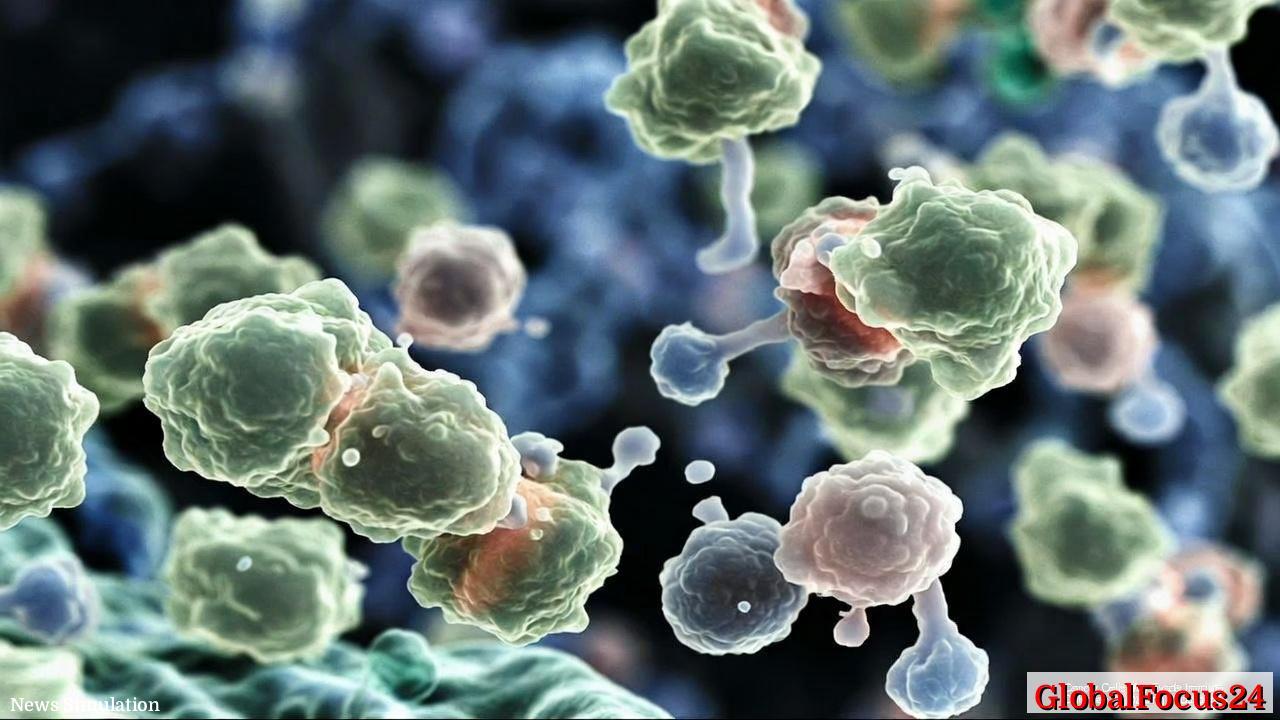
A new study sheds light on a surprising mechanism by which cancer cells may undermine the body’s immune defenses: stealing mitochondria from immune cells. The research, conducted in mouse models, suggests that cancer cells can acquire energy-producing organelles from surrounding immune cells and, in doing so, gain a dual advantage that promotes metastasis and immune evasion. The findings point to a complex interplay between tumor cells and the immune microenvironment, with potential implications for how researchers understand cancer progression and identify new therapeutic targets.
Context and background
Mitochondria, the cellular power plants responsible for producing adenosine triphosphate (ATP), are essential for energy metabolism. But in recent years, scientists have uncovered roles for mitochondria beyond energy production, including participation in signaling pathways that influence cell fate, inflammation, and immune responses. The idea that cells can exchange mitochondria—transferring these organelles from one cell to another—has emerged as a topic of intense study in cancer biology and immunology. The new work builds on this concept by focusing on metastasis to lymph nodes, a common route for cancer spread that often accompanies poorer prognoses.
In the study, researchers used mouse models to simulate how cancer cells interact with immune-rich environments, particularly lymph nodes where immune cells are abundant. They tracked mitochondrial transfer events between immune cells and cancer cells and assessed the consequences for both donor and recipient cells. The results indicated that cancer cells can internalize mitochondria from various immune cell types present in the tumor microenvironment. Importantly, the rate of mitochondrial acquisition was similar whether cancer cells disseminated to lymph nodes or to skin tissue, suggesting that this process may be a general strategy employed by tumor cells regardless of specific secondary site.
Mechanisms of transfer and the recipient advantage
The researchers observed that once cancer cells incorporated donor mitochondria, several changes occurred. First, the donor immune cells that donated mitochondria tended to show reduced functional capacity in the surrounding environment, a phenomenon described as compromised immune activity. Second, the recipient cancer cells activated a set of genes linked to the type I interferon pathway—a signaling cascade typically involved in antiviral defenses and modulated by immune interactions.
Activation of the type I interferon pathway in cancer cells can have paradoxical effects. While interferon signaling can promote anti-tumor responses in some contexts, certain cancer cells may repurpose this pathway to facilitate invasion and survival within immune-rich regions such as lymph nodes. In this study, cancer cells that acquired mitochondria upregulated interferon-related genes, correlating with increased migratory capability toward lymph nodes.
Crucially, the researchers demonstrated that when they inhibited the interferon pathway genes in cancer cells, the cells’ ability to migrate to lymph nodes diminished. This finding points to a functional role for mitochondrial transfer in guiding metastatic spread, at least in the mouse models examined. It also highlights a potential vulnerability: interfering with specific interferon pathway components could reduce the propensity of cancer cells to colonize lymphatic tissue.
Implications for cancer progression and treatment
The discovery of mitochondrial transfer as a facilitator of metastasis adds a new dimension to our understanding of how tumors adapt to immune-rich environments. If cancer cells can subvert nearby immune cells by appropriating their mitochondria, they may gain a temporary advantage that allows them to persist and spread in ways previously unrecognized.
From an economic and public health perspective, metastatic cancer remains a major driver of healthcare costs and patient outcomes. New insights into mechanisms of immune evasion and metastasis can influence the development of targeted therapies, potentially improving survival rates and quality of life for patients. Treatments that disrupt mitochondrial transfer or its downstream signaling could complement existing modalities such as chemotherapy, immunotherapy, and targeted agents, offering a multi-pronged approach to combat metastasis.
Regional comparisons and broader context
Mitochondrial exchange among cells has been observed across a range of tissues and disease states, including neurodegenerative conditions and inflammatory disorders. In the cancer context, prior work has reported intercellular mitochondrial transfer in environments where stressed or damaged cells interact with healthier neighbors. What sets the current study apart is its focus on immune cell donors within lymph node–rich environments and the link to the type I interferon pathway. The regional specificity of lymph nodes as hubs of immune activity makes them especially relevant for understanding how tumors navigate the immune landscape.
As researchers compare cancer behavior across regions, several patterns emerge. Tumors with robust interactions with the immune system often display dynamic crosstalk that can modulate both tumor cell plasticity and immune cell function. The possibility that cancer cells can siphon mitochondria from immune cells adds another layer to this crosstalk, potentially explaining some instances of stubborn immune surveillance failure and unusual metastatic patterns. While these results come from animal models, they provide a conceptual framework for exploring similar processes in human cancers, particularly leukocyte-rich malignancies and solid tumors that frequently metastasize to lymphatic tissue.
Clinical and translational outlook
Several avenues warrant exploration as scientists translate these findings toward clinical applications. First, identifying the specific immune cell types that most readily donate mitochondria to cancer cells could clarify which immune contexts are most permissive to this process. Second, mapping the molecular signals that govern mitochondrial uptake by cancer cells may reveal targets to block transfer or neutralize the resulting interferon-driven metastasis-promoting program. Third, evaluating whether existing therapies influence mitochondrial transfer dynamics could uncover synergies or contraindications with current treatment regimens.
From a patient perspective, the prospect of novel therapies aimed at interrupting intercellular mitochondrial exchange is intriguing but requires careful validation. Potential strategies could include agents that disrupt organelle transfer, inhibitors of the interferon pathway components implicated in metastasis, or combination approaches that preserve immune surveillance while restricting tumor adaptation. As with any emerging mechanism, robust clinical trials will be essential to determine safety, efficacy, and applicability across cancer types.
Historical context and evolution of the field
The concept of cellular organelle transfer has evolved from a niche observation to a more mainstream line of inquiry over the past decade. Early reports documented instances of mitochondria moving between cells in culture and in vivo, prompting questions about the consequences for cellular metabolism and signaling. The current study situates mitochondrial transfer within the context of cancer metastasis and immune evasion, offering a cohesive narrative that links intercellular exchange to functional outcomes in tumor progression. This progression—from basic observation to mechanistic insight and therapeutic implication—reflects a broader trend in oncology toward understanding tumor–host interactions at the systems level.
Nature of the evidence and limitations
The primary evidence in this research comes from mouse models that enable controlled investigation of mitochondrial transfer and its consequences for metastasis. While animal studies yield valuable mechanistic insight, translating these findings to human biology requires cautious interpretation. Differences in immune system complexity, tumor heterogeneity, and microenvironmental factors mean that human studies—ranging from ex vivo analyses to clinical correlations—are needed to confirm the relevance of mitochondrial transfer across cancers and patient populations. Additionally, understanding whether this mechanism operates in specific subtypes or stages of disease will be important for identifying the patient cohorts most likely to benefit from targeted interventions.
Ethical and societal considerations
As with any emerging facet of cancer biology, ethical considerations center on patient safety, data integrity, and the responsible translation of laboratory discoveries into therapies. If interventions targeting mitochondrial transfer or interferon signaling become part of clinical care, clinicians will need to weigh potential effects on immunity and infection risk, given the central role of interferon pathways in antiviral defense. Public communication should emphasize the exploratory nature of these findings while highlighting the potential for new treatment approaches that could improve outcomes for patients facing metastatic disease.
Key takeaways for researchers and readers
- Cancer cells can acquire mitochondria from immune cells within the tumor microenvironment, including lymph nodes.
- Donor immune cells may experience reduced functionality following the mitochondrial transfer, potentially altering the local immune landscape.
- Recipient cancer cells upregulate type I interferon–related genes, a change that appears to enhance migration to lymphatic tissue and may promote invasion.
- Inhibiting interferon pathway genes in cancer cells reduced their ability to reach lymph nodes in mouse models, suggesting a potential therapeutic target.
- The phenomenon persisted even when transferred mitochondria could not generate ATP, indicating that energy production is not the sole driver of the observed advantages.
Closing thoughts
The discovery of mitochondrial transfer as a contributor to cancer progression adds a provocative piece to the intricate mosaic of tumor–immune interactions. By revealing a previously unappreciated mechanism through which cancer cells can adapt to immune-rich environments, the study opens new research directions for understanding metastasis and developing interventions that could hinder the spread of disease. As the scientific community advances from animal models to human studies, clinicians, researchers, and policymakers will watch closely for corroborating evidence and the potential implications for precision oncology and survivorship.