California Faces Scrutiny Over Solar-Funding Allocation: What We Know and Why It Matters
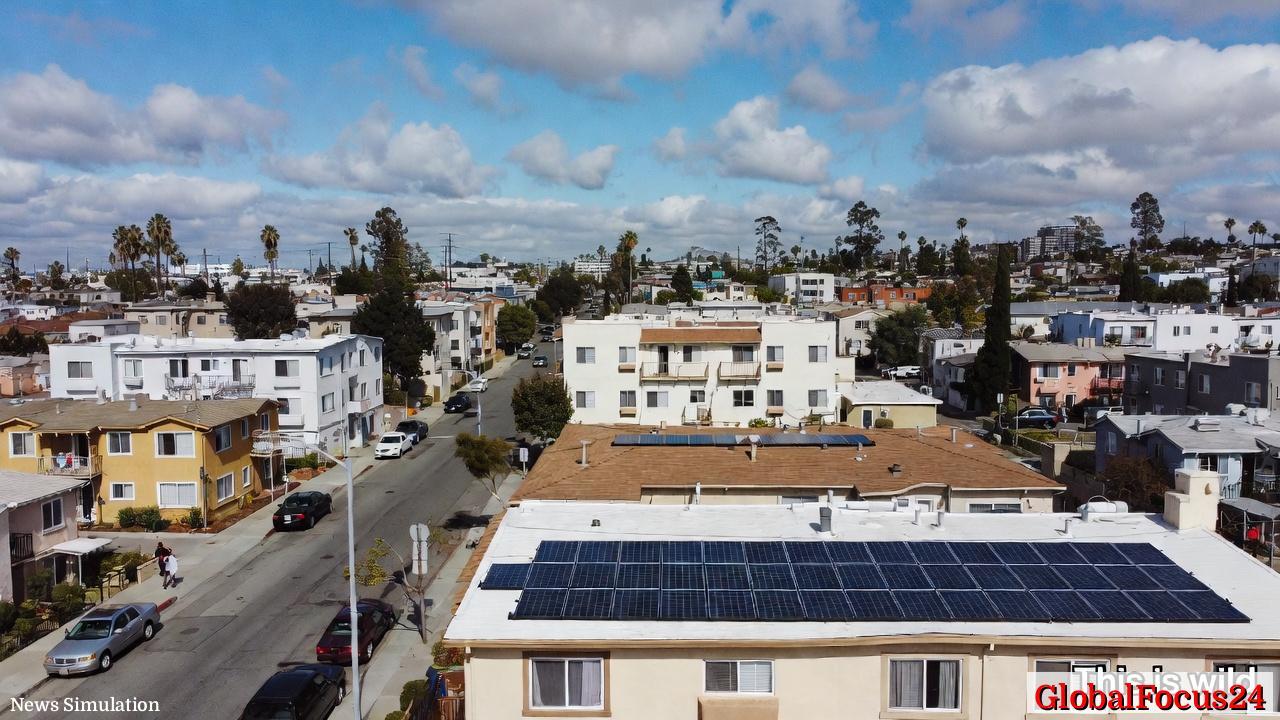
A contentious financial dispute is drawing renewed attention to how public funds earmarked for renewable energy projects are allocated across programs and communities. In California, questions have surfaced about a proposed solar panel initiative intended for apartment buildings, with critics alleging that a substantial portion of the funds were redirected away from installation work and toward political outreach and activism. If verified, the situation could have broad implications for public trust, project timelines, and future energy investments in urban areas.
Context: California’s Solar Mandate and Urban Efficiency Programs
California has long positioned itself at the forefront of clean energy policy in the United States. The state’s aggressive targets for reducing greenhouse gas emissions hinge, in part, on expanding access to solar energy for residents who live in multi-family housing, affordable housing units, and densely populated urban neighborhoods. The logic is straightforward: apartments and multi-unit buildings often present higher barriers to adoption, including credit checks, landlord consent, and logistical challenges related to retrofitting shared roofs and electrical systems.
To address these barriers, state and local agencies have historically deployed a mix of incentives, subsidies, and grant programs designed to lower the cost of installation, streamline permitting, and ensure long-term operation. In theory, these programs create a pathway for utility-scale benefits—lower energy bills for renters, improved resilience during heat waves, and reduced air pollution in urban centers. The broader goal is to democratize access to clean energy, rather than concentrating benefits in single-family homes or wealthier neighborhoods.
Questions About Allocation and Oversight
At the heart of the current discussion is how funds designated for a solar installation initiative were allocated and managed. Public programs must balance multiple objectives simultaneously: delivering tangible infrastructure upgrades, meeting equity goals, maintaining accountability, and complying with political and legal boundaries on campaign financing. The core accusation—that a large portion of the funds intended for solar installations was redirected toward political and organizational activity—raises several critical questions:
- What mechanisms existed to track how money moved from grant funds to specific projects, outreach programs, or advocacy activities?
- Were there clear guidelines distinguishing programmatic expenses from political or partisan activities, and were those guidelines enforced?
- How did stakeholders—from city planners and housing authorities to community groups—monitor progress, and what auditing steps were in place?
- If misallocation occurred, what recourse exists for affected residents, including transparency measures, refunds, or corrective action?
Given California’s complex governance structure, funds that originate at the state level can pass through a network of agencies, contractors, and nonprofit partners. Each transfer stage presents a potential point of confusion or misclassification if strict budgeting and reporting controls are not in place or are inconsistently applied.
Economic Impacts: Delays, Costs, and Local Jobs
Project funding composition directly affects timelines and the broader economic footprint of renewable energy programs. When money designated for solar installations is delayed or diverted, several downstream effects can emerge:
- Construction timelines slip, delaying anticipated energy savings for residents and reducing the expected return on public investment.
- Local contractors and laborers may experience fewer on-site opportunities, impacting job creation and workforce development in disadvantaged neighborhoods.
- The cost of capital for future projects can rise if lenders perceive governance risks or inconsistent budgeting practices, potentially slowing expansion of community solar or multi-family retrofit programs.
- Property owners and tenants may face uncertainty around incentives, rebates, and maintenance obligations, which can dampen participation rates.
By contrast, well-managed solar deployment programs can unlock measurable local benefits: reduced utility bills for renters, job creation through retrofit activity, and a demonstration effect that accelerates adoption in neighboring municipalities. The economic calculus hinges on transparent budgeting, robust oversight, and community engagement that aligns funding with tangible energy and affordability outcomes.
Regional Comparisons: Clean-Energy Funding in Practice
California’s approach to renewable funding often stands in contrast with neighboring states that pursue different models of accountability and stakeholder involvement. A few regional patterns worth noting:
- In several West Coast jurisdictions, energy efficiency and solar programs emphasize collaborative governance, with clear grant conditions that separate operational expenditures from political activity. These programs frequently publish dashboards showing fund disbursement, project status, and expected energy savings.
- Urban centers with high housing density, such as major California cities, face unique challenges around retrofitting existing buildings while maintaining tenant protections and minimization of rent increases. Regions that prioritize strong landlord-tenant collaboration tend to achieve higher installation rates and consumer satisfaction.
- States with centralized energy offices often maintain more straightforward audit trails, enabling easier third-party verification of how funds are used and whether outcomes align with stated objectives.
In this context, California’s performance depends heavily on how well oversight processes detect and prevent misallocation, while preserving the ability to support community-led initiatives and local job creation.
Historical Context: Public Energy Programs and Accountability Trends
The tension between pursuing ambitious climate goals and maintaining rigorous financial governance is not new. Over the past two decades, many municipalities have faced scrutiny when grant-funded energy projects encountered cost overruns, scope changes, or perceived political influence over program design. Broadly, three lessons have emerged from past experiences:
- Clear program guidelines matter: Distinct lines between project funding, educational outreach, and political activity help ensure funds achieve their intended purposes without compromising transparency.
- Third-party auditing builds trust: Independent reviews and public dashboards improve confidence among residents, lenders, and policymakers that funds are used as promised.
- Community engagement is essential but must be properly resourced: Meaningful participation improves project relevance and acceptance, but it must be financed through approved program budgets rather than ad hoc political initiatives.
If the current allegations prove accurate, the case would fit a historical pattern where governance gaps, rather than malintention alone, lead to questions about how public energy money is deployed at the local level. It would also intensify calls for stronger audit regimes and clearer separation between program operations and political activities in publicly funded energy programs.
Public Reaction and Perception
Public reaction to questions about fund allocation in renewable energy programs often blends concern for environmental progress with unease about governance integrity. Residents in affected neighborhoods may worry about whether promised energy bills will materialize and whether the benefits of solar retrofits will reach the most in-need households. Local advocates stress that energy equity should remain center stage—ensuring that low-income residents gain reliable access to clean power without bearing disproportionate administrative or political overhead.
News coverage and official statements typically emphasize steps taken to verify the facts, restore accountability, and recalibrate program mechanics if needed. In communities where energy programs intersect with housing quality and cost of living, public confidence hinges on transparent reporting, accessible information, and prompt remedial actions when misallocation is confirmed or suspected.
Key Metrics to Watch
As investigations unfold, several concrete indicators will help gauge the trajectory and impact of the program:
- Disbursement transparency: the percentage of funds allocated to actual solar installations versus non-installation activities.
- Installation milestones: number of buildings retrofitted, rooftop capacity added, and expected annual energy production increases.
- Cost per watt or per rooftop installation, adjusted for inflation and regional labor costs, to assess efficiency improvements.
- Tenant relief metrics: changes in average utility bills for residents in participating buildings and the duration of any energy savings.
- Independent audit findings: status and recommendations from third-party reviews, including corrective actions and timelines.
Policy Implications and Next Steps
Governments at the state and local level continually refine governance frameworks to ensure that climate investments deliver measurable benefits while maintaining public trust. In response to allegations of misallocation, several policy actions commonly emerge as part of a constructive response:
- Strengthened oversight: expanding constitutional or statutory authority for independent audits, real-time reporting dashboards, and random verification of project expenditures.
- Clear expense categorization: formal definitions that separate project costs from outreach and political activities, with strict penalties for violations.
- Public accountability measures: accessible records, town halls, and community reporting that explain how funds are used and what outcomes are achieved.
- Equitable program design: targeted mechanisms to reach hardest-hit neighborhoods, with safeguards to prevent rent increases or displacement during retrofit campaigns.
Conclusion: Navigating Policy, Practice, and Purpose
The debate over how public funds intended for solar installations are allocated highlights a broader challenge facing renewable energy programs: achieving ambitious environmental objectives while maintaining rigorous governance and accountability. California’s experience underscores the importance of transparent budgeting, robust auditing, and proactive community engagement as cornerstones of credible energy policy. If the allegations are substantiated, the revelations could prompt reforms that strengthen the integrity of future programs, preserve public confidence, and ensure that the benefits of solar energy reach the communities most in need.
In the end, the success of any urban solar initiative rests on both its technical performance and its social legitimacy. The pursuit of clean energy remains a collective enterprise, built on trust, verifiable results, and a shared commitment to environmental and economic resilience for all Californians.