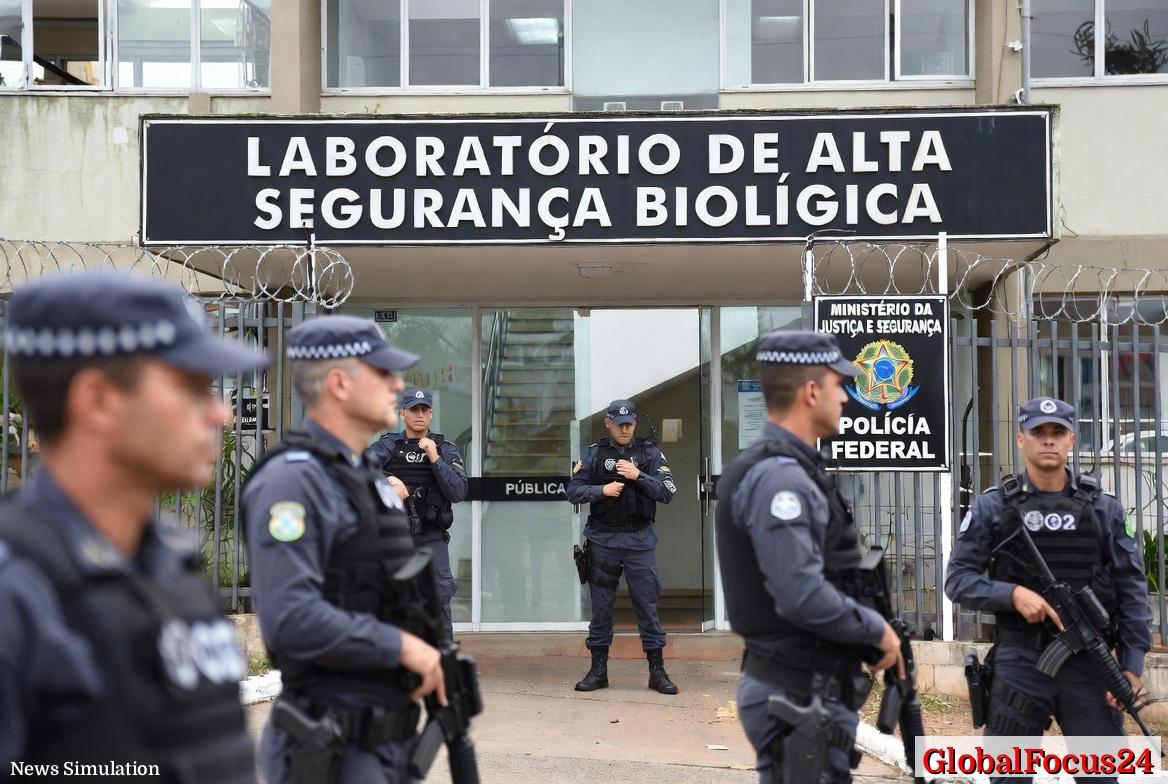
Brazilian Virologist Arrest Sparks Scrutiny of Laboratory Biosafety Practices
Brazilian federal police have arrested virologist Soledad Palameta Miller in a case that has drawn national and international attention to laboratory biosafety protocols and research oversight. The incident, centered at the State University of Campinas (UNICAMP), involves the alleged unauthorized removal of virus samples from a biosafety level 3 (BSL-3) laboratory—an environment designed for handling pathogens that can cause serious or potentially lethal diseases through inhalation.
Authorities confirmed that Miller was detained on March 23 and released on bail the following day. She now faces theft charges after investigators recovered the missing materials during coordinated searches on March 21. The case has triggered renewed discussion around research security, institutional controls, and the economic and scientific stakes tied to high-containment laboratories.
Incident Overview and Timeline
The missing samples were first identified in February at UNICAMP’s Laboratory of Virology and Applied Biotechnology. According to investigators, the materials included a range of viruses such as chikungunya, dengue, and Epstein-Barr, along with at least 24 additional viral types commonly studied in infectious disease research.
Federal police located the samples in multiple locations across the university campus, including a laboratory space shared by Miller. Officials have stated that she did not have authorization to remove any materials from the BSL-3 facility, where strict inventory and access controls are standard.
The National Health Regulatory Agency (Anvisa) conducted an assessment following the recovery and concluded that the samples did not pose a risk to public health. This determination helped prevent broader public alarm, though it did not diminish concerns within the scientific community about procedural lapses.
What Is a BSL-3 Laboratory?
Biosafety level 3 laboratories are designed for work involving microbes that can cause serious illness and may spread through airborne transmission. These facilities are critical in studying diseases such as tuberculosis, SARS, and certain viral infections, including dengue and chikungunya.
Key features of BSL-3 labs include:
- Controlled access and restricted entry.
- Specialized ventilation systems that prevent air from escaping.
- Mandatory use of personal protective equipment (PPE).
- Strict protocols for handling, storing, and transporting biological materials.
Any breach, even one that does not result in exposure or contamination, is treated with high seriousness due to the potential consequences.
Institutional Response and Internal Investigation
UNICAMP has stated that it is fully cooperating with federal authorities while conducting its own internal investigation. The university emphasized that the biosafety system ultimately functioned as intended, enabling the identification and recovery of the samples without incident.
The Brazilian Society for Virology echoed this assessment, noting that containment measures and inventory tracking systems were effective in preventing a larger breach. However, the organization also indicated it would continue monitoring the case to identify lessons for strengthening biosafety frameworks.
Miller previously worked as a postdoctoral researcher in the laboratory from which the samples were taken. Her husband, Michael Edward Miller, a doctoral student associated with the same lab, has not been arrested or charged, and authorities have not indicated that he is a suspect.
Historical Context of Laboratory Safety Incidents
While rare, incidents involving unauthorized removal or mishandling of biological materials have occurred in various countries, often prompting regulatory reform. In the United States, for example, past lapses at federal laboratories led to tighter oversight by agencies such as the Centers for Disease Control and Prevention (CDC) and the National Institutes of Health (NIH).
Globally, biosafety concerns have intensified over the past two decades due to the increasing complexity of virology research and the expansion of high-containment laboratories. The COVID-19 pandemic further amplified scrutiny of laboratory practices, even though most research facilities operate safely and under strict regulatory compliance.
Brazil has invested significantly in its public health research infrastructure, particularly following outbreaks of Zika, dengue, and chikungunya in the 2010s. Institutions like UNICAMP play a central role in studying tropical diseases and developing strategies for prevention and treatment.
Economic Impact on Research and Public Health
Although the recovered samples were deemed safe, the incident could have broader economic implications for Brazil’s research ecosystem. High-containment laboratories are expensive to build and maintain, often requiring millions of dollars in funding, specialized staff, and continuous regulatory oversight.
Potential consequences include:
- Increased compliance costs as institutions review and strengthen biosafety protocols.
- Temporary disruptions to research projects involving restricted materials.
- Heightened scrutiny from funding agencies and international collaborators.
Brazil’s biotechnology and public health sectors are closely tied to its ability to maintain trust in its research institutions. Any perceived weakness in biosafety practices can influence investment decisions, partnerships, and the pace of scientific innovation.
At the same time, experts note that the swift recovery of the samples and the absence of public health risk may mitigate long-term economic damage. Effective response mechanisms often serve to reinforce confidence rather than undermine it.
Regional Comparisons in Biosafety Oversight
Across Latin America, countries vary in their biosafety infrastructure and regulatory enforcement. Brazil is generally considered a regional leader, with established guidelines overseen by agencies such as Anvisa and institutional biosafety committees.
In comparison:
- Argentina maintains a robust network of research laboratories but has faced funding constraints that can affect infrastructure upgrades.
- Mexico has expanded its biosafety capabilities in recent years, particularly in response to emerging infectious diseases.
- Chile operates fewer high-containment labs but emphasizes centralized oversight and training.
Brazil’s extensive network of public universities and research centers gives it a unique advantage in scientific output, but it also increases the complexity of maintaining consistent safety standards nationwide.
Public and Scientific Community Reaction
The case has generated measured concern rather than widespread alarm, largely due to the confirmation that the samples posed no immediate risk. Within the scientific community, discussions have focused on procedural accountability and the importance of maintaining strict adherence to laboratory protocols.
Researchers have emphasized that even isolated incidents can have reputational consequences for institutions and individuals. At the same time, many have pointed to the effectiveness of existing systems in detecting and resolving the issue.
Public reaction has been relatively subdued, reflecting confidence in Brazil’s health authorities and the rapid response by law enforcement and regulatory agencies.
Legal Proceedings and Next Steps
Miller faces theft charges under Brazilian law, and the case is expected to proceed through the judicial system in the coming months. Legal experts note that the outcome will likely depend on evidence regarding intent, authorization, and adherence to institutional policies.
Meanwhile, UNICAMP’s internal investigation is expected to review:
- Access control systems within the BSL-3 laboratory.
- Inventory tracking procedures.
- Staff training and compliance protocols.
Findings from both the legal and institutional processes could inform updates to biosafety regulations not only at UNICAMP but across Brazil’s research sector.
Strengthening Biosafety for the Future
The incident underscores the importance of continuous vigilance in managing biological materials, particularly in high-containment environments. While the system ultimately prevented harm, experts suggest that improvements can always be made in areas such as:
- Digital tracking of samples with real-time monitoring.
- Enhanced auditing procedures.
- Regular training and certification for laboratory personnel.
As global research into infectious diseases continues to expand, maintaining rigorous biosafety standards remains essential for protecting public health and sustaining scientific progress.
The case at UNICAMP serves as a reminder that even in well-regulated environments, adherence to protocols is critical—and that effective oversight systems are key to preventing isolated breaches from becoming broader threats.