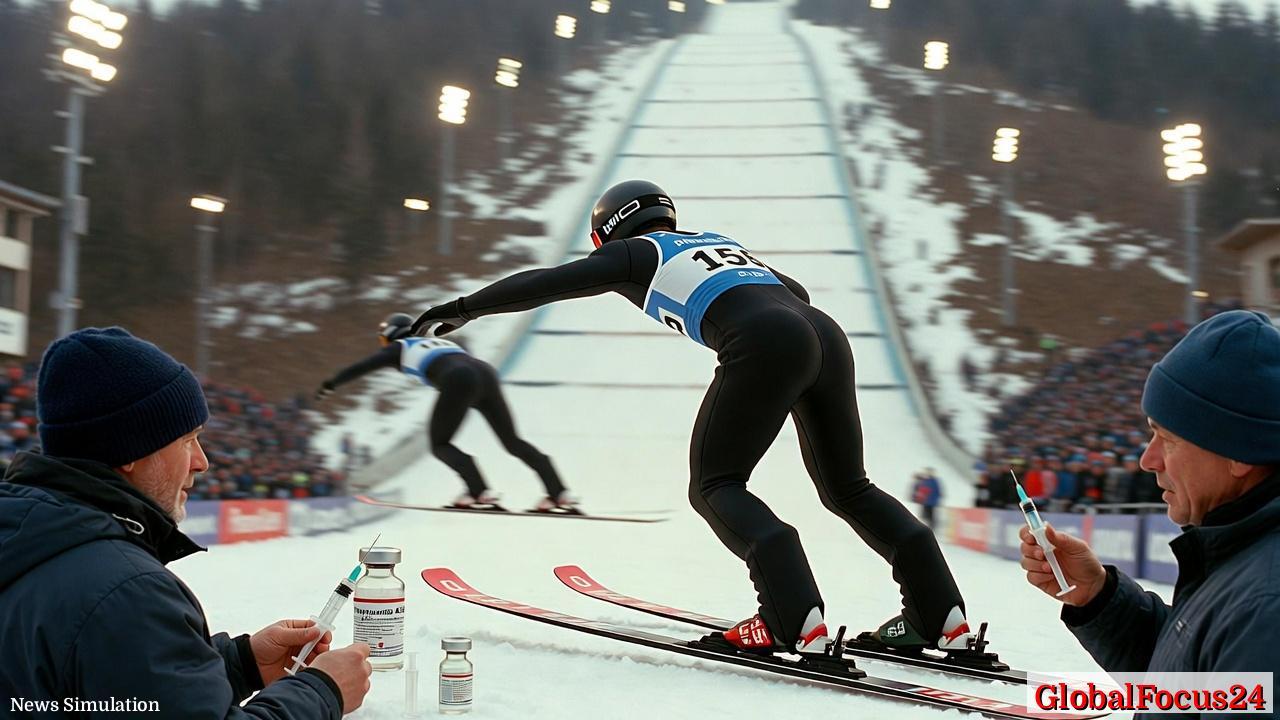
World Athletic Regulators Scrutinize Odd Allegations Ahead of Winter Olympics
In a developing story that has captured attention across winter sports circles, regulators are assessing unverified allegations that some ski jumpers may be seeking temporary physical enhancements to influence equipment fit and performance. The rumors center on injections intended to alter measurements used for custom suits and equipment, prompting a broader discussion about fairness, safety, and the line between legitimate training optimization and prohibited medical interventions.
This winter Olympics era has already been defined by a tension between performance innovation and strict compliance. As athletes and coaches press for marginal gains, governing bodies like the World Anti-Doping Agency (WADA) are increasingly vigilant about anything that could tilt the playing field without clear, substantiated evidence. While no concrete athletes or teams have been named, the developing situation underscores the importance of transparent testing, rigorous enforcement, and the continual refinement of rules that govern performance enhancement.
Historical Context: A Long Arc of Marginal Gains and Regulatory Guardrails
The pursuit of small advantages has shaped winter sports for decades. From aerodynamics to equipment fit, athletes and teams continually push the envelope to shave fractions of a second or centimeters from distance measurements. In ski jumping, even minor changes to suit dimensions or equipment configuration can influence the trajectory and stability of a jump. Over time, federations have responded with stricter standards for equipment, stricter measurement protocols, and more robust monitoring of medical interventions that could affect performance.
The period following major scandals in other sports heightened the focus on integrity in competition. After high-profile cases, governing bodies expanded doping controls and introduced clear pathways to sanction behavior that undermines fair play. In this environment, any credible claim of an action designed to alter body dimensions for competitive gain would trigger a rapid, methodical examination by regulators, medical experts, and independent observers. The current discussion thus sits at the intersection of traditional athletic optimization and the rigorous ethical frameworks that have evolved to preserve trust in sport.
Economic Impact: From Sponsorship to Bid Integrity
Beyond the podium, the optics of integrity have tangible economic consequences. National teams rely on sponsorship networks, government funding, and fan engagement to sustain their programs. Allegations of illicit enhancements can affect sponsor confidence, broadcasting deals, and the perceived value of an athlete’s marketability. In the broader context, persistent questions about compliance can influence host-city prospects, infrastructure investments, and the long-term viability of national programs.
For host nations and regional competitors, maintaining a clean image is closely tied to the economic health of their winter sports ecosystems. A credible, transparent investigation process helps reassure sponsors, fans, and international partners that the event will unfold without undermining the sport’s credibility. Conversely, unresolved questions can ripple through insurance costs, venue partnerships, and youth development programs by raising concerns about risk management and governance.
Regional Comparisons: Lessons from Other Winter Disciplines
Public reactions and regulatory responses in ski jumping often echo patterns seen in adjacent disciplines. For example:
- In bobsleigh and skeleton, new aerodynamic concepts have periodically collided with safety and fairness rules, prompting regulators to revise equipment standards and testing procedures.
- Nordic disciplines have faced scrutiny over equipment modifications and measurement integrity, leading to tighter oversight during major championships and the Olympics.
- In cross-country skiing, testing protocols for wax, grip, and ski technology illustrate how incremental improvements are balanced against fairness and environmental considerations, with high accountability for any suspected edge gains.
These analogies highlight a common thread: governing bodies aim to preserve level competition while allowing legitimate innovation. The balance requires rigorous verification, clear guidelines, and timely communication with athletes and teams to minimize disruption during high-stakes events.
What to Watch Next: Procedures, Evidence, and Public Confidence
Key indicators will determine whether the current discussions evolve into formal findings:
- Substantiated evidence: Any verified documentation or medical records would trigger a formal assessment by WADA and sport-specific regulators.
- Compliance checks: Investigations would likely review medical interventions, consent forms, and the medical rationale behind any procedures claimed to influence equipment fit or performance.
- Safety considerations: Medical experts would evaluate potential risks associated with any injections or procedures, weighing athletes’ welfare against performance goals.
- Consistency with rules: Regulators would determine whether the actions, if proven, constitute doping, device-based advantages, or other classifications that violate the spirit of sport.
Public reaction tends to reflect both concern for athlete welfare and a desire for fair competition. Fans and commentators often emphasize the importance of transparent investigations and swift, proportionate sanctions if violations are confirmed. Media coverage, even when speculative, can shape expectations about the integrity of the Games and the response from sports governing bodies.
Regional Dynamics: Impact on Training Hubs and Talent Development
Northern regions with deep ski jumping traditions, including parts of Central and Northern Europe, have longstanding reputations for rigorous training programs and robust coaching ecosystems. Any credible allegations of performance-enhancing practices can reverberate through those communities, potentially affecting enrollment in training academies, sponsorship pipelines, and collaboration with research institutions.
In contrast, emerging centers seeking to elevate their winter sports profiles may experience heightened scrutiny as regulators extend their oversight to ensure universal compliance. The net effect is a push toward standardized medical ethics, consistent measurement practices, and harmonized rules across borders, which helps level the playing field for athletes regardless of their country of origin.
Scientific and Medical Perspective: Assessing the Plausibility and Risks
From a biomedical standpoint, the idea of altering physical measurements to gain an advantage in equipment fit raises questions about feasibility and safety. Injections that temporarily alter tissue characteristics could influence how suits drape or interact with body contours, thereby affecting measurements used for fitting. However, the relationship between such changes and actual performance gains in ski jumping is complex and would require validated demonstrations under controlled conditions.
Safety is paramount. Interventions of this nature could pose risks including infection, tissue damage, and unforeseen side effects that may jeopardize an athlete’s health and eligibility. Medical oversight, informed consent, and evidence-based assessment are essential to determine whether any potential gains outweigh risks.
What This Means for Athletes and Teams
For athletes, the immediate implication is a heightened emphasis on adhering to ethical guidelines and safeguarding personal health. Teams and medical staff must maintain rigorous documentation, ensure all procedures align with approved medical standards, and prioritize transparent communication with regulators. For fans and stakeholders, the development reinforces the importance of evidence-based reporting and due process in resolving sensitive questions.
Concluding Perspective: A Call for Clarity and Accountability
As the Milan Cortina Games approach, the sports world awaits concrete information. The dialogue surrounding potential enhancements—whether hypothetical or substantiated—serves as a reminder that excellence in winter sports rests on the twin pillars of innovation and integrity. Governing bodies will likely continue to refine regulations, expand education on ethical practices, and implement stronger monitoring mechanisms to deter any practice that could undermine the fairness of competition.
In this moment, the priority for organizers, athletes, and supporters is clear: preserve the integrity of the sport while embracing legitimate advances that can improve performance within the bounds of safety and fairness. The outcome of any formal inquiry will shape the narrative of this Olympic cycle and set a precedent for how similar questions are addressed in future events.
If you’d like, I can tailor this article to emphasize a specific region, discipline, or aspect of governance and testing frameworks, or adjust the tone for a publication with a particular audience in mind.