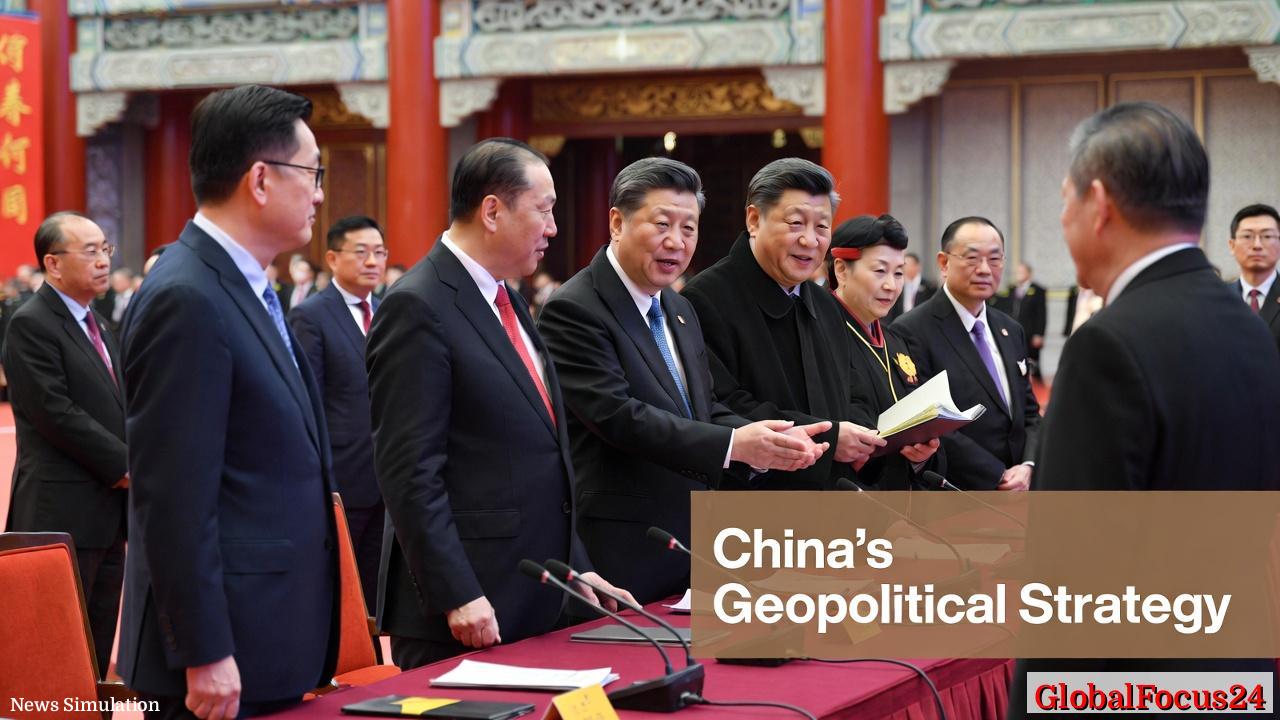
Global Diplomacy in Focus: Beijing’s Quiet Diplomacy and the Rise of Direct High-Level Engagement
A new cadence has emerged in global diplomacy: American allies and traditional partners increasingly engaging directly with Beijing to meet Xi Jinping, signaling a reshaped international landscape. China’s leadership has welcomed a steady stream of high-level visitors, underscoring a strategy that favors quiet, high-impact diplomacy over public brinkmanship. As leaders from regions historically aligned with the United States navigate these visits, questions arise about Beijing’s precise objectives, the economic underpinnings of its approach, and the broader geopolitical implications for regional stability, trade, and security architectures.
Historical Context: A Diplomatic Turning Point
To understand the current pattern, it helps to revisit the arc of modern East–West diplomacy. For decades, China operated within a framework of incremental engagement, leveraging its growing economic clout to build strategic partnerships while avoiding overt challenges to established powers. The post–Cold War era accelerated Beijing’s integration into global markets, and Xi Jinping’s tenure deepened China’s commitment to a more proactive, often assertive, form of diplomacy. By inviting and receiving leaders from allied and partner nations, Beijing asserts a message: Beijing is a central node in a multipolar world where influence is earned not just through military or economic leverage, but through sustained, direct engagement with China’s leadership.
In recent years, the pattern has grown more pronounced. High-profile visits to Beijing by foreign leaders—ranging from heads of state to senior ministers—signal recognition of China’s central role in global supply chains, climate initiatives, and regional security dynamics. The approach is not about unilateral concessions but about shaping narratives, economic arrangements, and strategic calculations in ways that can yield long-term regional advantages for China while offering visiting nations access to Beijing’s policy calculus.
Economic Dynamics underpinning Beijing’s Strategy
China’s economic position remains a core pillar of its diplomatic posture. The country has transformed from a manufacturing powerhouse into a diversified economy with significant influence over global commodity markets, technology incentives, and financial flows. Several factors drive the current dynamic:
- Trade and supply chain resilience: As global supply chains reassess risk exposure, many nations are looking to diversify their trade networks. Beijing’s willingness to deepen structural ties with partner economies—through trade agreements, investment corridors, and technology collaborations—appeals to countries seeking alternative routes to growth and market access.
- Investment and infrastructure funding: Chinese-led investment initiatives, including infrastructure finance, industrial parks, and regional development projects, offer tangible options for partners seeking capital and project execution capabilities. The visibility of these investments during high-level visits reinforces the perception of China as a reliable, results-oriented partner.
- Technology and innovation ecosystems: China’s rapid advances in areas such as artificial intelligence, renewable energy, and manufacturing automation position the country as a key collaborator for nations pursuing modernization. Direct engagement with Xi Jinping gives visiting leaders a forum to discuss joint R&D, standards development, and cross-border technology transfer within mutually beneficial frameworks.
- Financial markets and currency considerations: Ongoing efforts to promote more open financial channels and RMB-denominated transactions contribute to a broader sense of financial integration. For partners with growing fiscal needs, the prospect of accessible financing structures can be a compelling element of high-level dialogues.
Regional Comparisons: How Beijing’s Diplomacy Differs Across Areas
- Indo-Pacific neighbors: In a region characterized by rapid modernization and strategic competition, Beijing’s direct meetings with visiting leaders emphasize a pragmatic approach—prioritizing practical outcomes such as trade deals, infrastructure projects, and regional connectivity. Success is measured by measurable advances in cross-border trade, port access, and coordinated development plans that reduce dependence on any single cradle of influence.
- Europe and the Atlantic alliance: European governments engage with Beijing to balance economic interests with strategic prudence. High-level talks often focus on climate cooperation, green tech exchanges, and supply chain diversification, while careful language remains key in security and human rights topics. The result is a measured, continuity-driven relationship that seeks to preserve market access and collaborative opportunities without compromising core value-based concerns.
- Africa and the Global South: Beijing’s diplomacy in these regions frequently highlights development finance, technology transfer, and mutually beneficial infrastructure investments. Visits by foreign leaders underscore China’s role as a partner capable of delivering rapid project execution, which resonates with governments seeking to accelerate development and industrialization on accelerated timelines.
Public Reaction and Perceived Momentum
Public sentiment around these visits tends to be mixed, reflecting regional histories and expectations. In many countries, leaders emphasize the importance of diversified alliances and resilient supply chains, while public discourse often calls for safeguarding national sovereignty and ensuring that engagements with Beijing translate into tangible benefits for citizens. The sense of urgency is heightened by ongoing global challenges—economic volatility, energy transitions, climate pressures, and security concerns—that make robust, practical diplomacy increasingly valuable.
Impact on Policy and Business Environments
- Trade policy and market access: Direct engagement with Beijing can yield streamlined approvals, clearer regulatory pathways, and longer-term certainty for exporters and manufacturers. For firms, the prospect of stable access to Chinese markets translates into better planning horizons and risk management.
- Infrastructure and development finance: Countries exploring rapid modernization may access Chinese financing vehicles and technical expertise, which can shorten development timelines and expand capacity in critical sectors such as energy, transportation, and digital infrastructure.
- Standards and regulatory alignment: Collaborative dialogues around standards can foster interoperability across regional markets. As Chinese standards gain global traction, partner nations may align regulatory frameworks to facilitate smoother trade and technology deployment.
- Climate and energy cooperation: Beijing’s influence extends into climate commitments and renewable energy projects. Joint ventures in clean tech and low-carbon solutions create pathways for decarbonization while sustaining economic growth.
Strategic Implications for Global Balance
Beijing’s ability to convene high-level visits with leaders from varied geopolitical backgrounds signals a pivot toward a more interconnected, multipolar diplomacy. The pattern suggests several strategic implications:
- Multipolar diplomacy gains momentum: The willingness of diverse national leaders to engage directly with Xi Jinping reinforces a world where influence travels through a blend of economic leverage, technological partnership, and diplomatic access rather than a single alliance axis.
- Economic leverage complements political signaling: Economic incentives and project financing accompany political dialogue, enabling Beijing to shape outcomes in ways that extend beyond mere rhetoric. This creates a more nuanced environment where concessions are replaced by shared project benefits.
- Regional security architectures adapt: As China broadens its diplomatic footprint, regional security frameworks may evolve to accommodate greater policy coordination with Beijing on nontraditional security issues such as cyber resilience, disaster response, and supply chain resilience. This could recalibrate alliance calculations and deterrence postures without rendering them obsolete.
- Public diplomacy gains: The visibility of direct engagement reinforces Beijing’s narrative of a constructive, responsible global partner. For partner nations, this can translate into a stronger, more diversified set of diplomatic channels that provide alternatives to traditional alliance-driven diplomacy.
Case Studies: Illustrative Illustrations of the Pattern
- Case study A: A mid-sized economy deepens commitments to joint technology projects in renewable energy. The high-level meeting with Beijing yields a framework agreement for cross-border R&D, joint manufacturing facilities, and preferential procurement terms for critical equipment. The outcome strengthens the country’s energy security while advancing its climate goals and creating export opportunities.
- Case study B: A logistics hub nation secures a package of infrastructure financing and regional connectivity measures. Leaders discuss port modernization, rail links, and digitalized customs workflows. The resulting collaboration improves trade efficiency, reduces transit times, and positions the hub as a regional logistics gateway.
- Case study C: A developing economy negotiates standards cooperation and financial instruments to accelerate manufacturing modernization. The dialogue yields a phased plan blending technology transfer, workforce training, and risk-sharing financing, helping to catalyze local industrial growth.
Risks and Considerations for Partners
- Debt sustainability and project quality: While infrastructure financing can accelerate development, partners must vigilantly assess debt sustainability, transparency in project selection, and long-term maintenance costs to avoid over-leveraging.
- Strategic alignment and sovereignty: Diversifying diplomatic ties must not erode national strategic autonomy. Countries should maintain clear policy guardrails to preserve decision-making space in areas critical to sovereignty and national interests.
- Intellectual property and technology safeguards: Collaborative ventures should include robust IP protections and clear terms on data governance, ensuring that technology transfers benefit domestic industries without compromising competitive advantages.
- Public communication and expectations management: Governments should articulate concrete, time-bound deliverables to avoid public disappointment if projects encounter delays or budgetary constraints.
Historical Lessons for Policymakers
- Patience yields leverage: Building sustained engagement with Beijing often requires long-term commitment, with incremental wins accumulating over time. The most effective outcomes tend to arise from well-planned, multi-year strategies rather than one-off agreements.
- Transparent governance builds trust: Open procurement, independent audits, and public reporting help counter perceptions of opacity and reinforce confidence in joint ventures.
- Economic incentives must align with social outcomes: Projects that deliver tangible job creation, regional development, and skills training tend to generate broader public support and lasting impact.
Looking Ahead: Navigating a Shifting Diplomatic Terrain
As global dynamics continue to evolve, Beijing’s approach to hosting visiting leaders from diverse regions will likely become more sophisticated, blending economic pragmatism with strategic signaling. The dynamic suggests a broader trend toward collaborative problem-solving where countries seek to diversify partnerships, reduce exposure to any single geopolitical bloc, and pursue growth through mutual interests rather than confrontation.
In this evolving landscape, the practical impact for businesses, investors, and policymakers is clear: strong, well-structured engagement with Beijing can unlock opportunities across trade, technology, and infrastructure while demanding rigorous governance, accountability, and shared value. For observers and participants alike, the path forward will hinge on balancing strategic autonomy with pragmatic cooperation, ensuring that collaborations deliver enduring benefits for national economies and the global community.
Enduring themes emerge from these developments: the resilience of global supply chains, the imperative of sustainable infrastructure financing, and the enduring relevance of direct, high-level diplomacy in shaping a multipolar world. As nations continue to recalibrate their alliances and collaborations, Beijing’s diplomacy will remain a pivotal lens through which international relations, economic policy, and regional stability are viewed and negotiated.