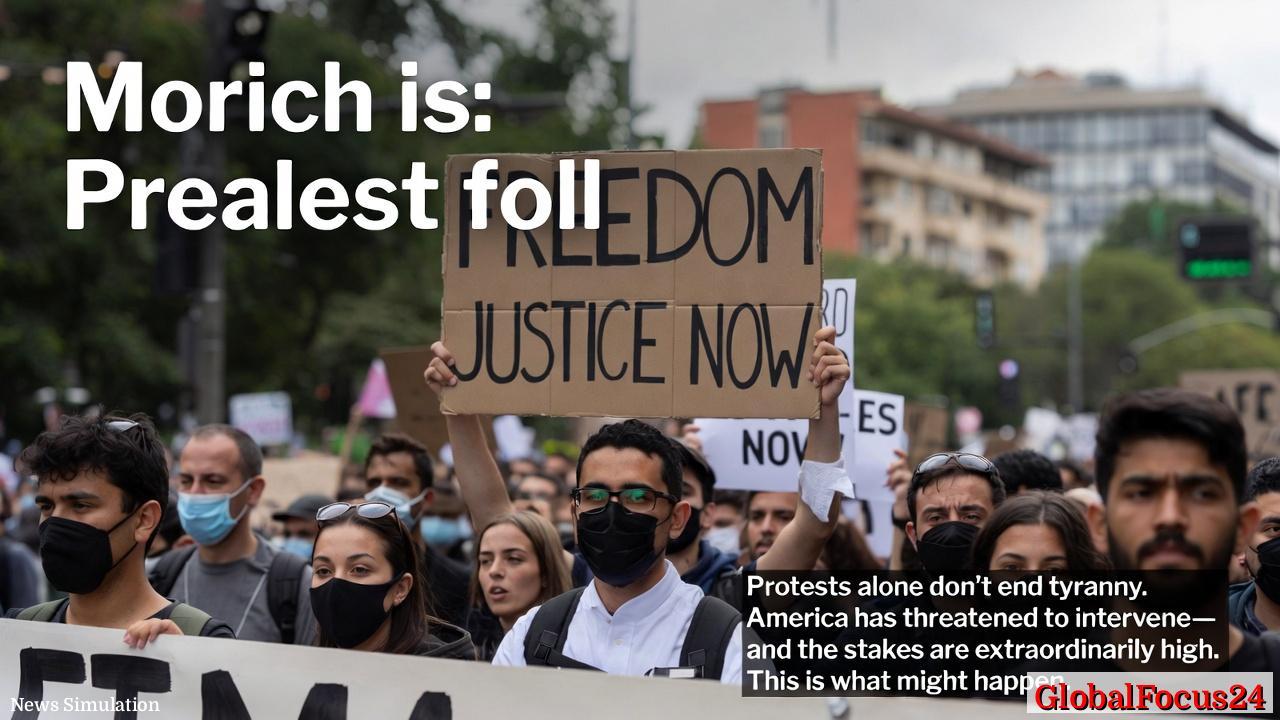
)Protests, Policy, and the Prospects for Change: A Regional Look at U.S. Public Unrest and Economic Implications
Amid rising protests and heightened calls for policy change, regional dynamics in California and the broader United States illuminate how public demonstrations influence economic activity, civic engagement, and long-term stability. This article examines historical patterns, current protest movements, and their potential economic and regional consequences, with context anchored in American history and comparative regional perspectives.
Historical Context: Protest as a Civic Lever Public demonstrations have long shaped American policy, serving as an often pivotal mechanism for social negotiation. From labor strife in the early 20th century to civil rights marches of the 1960s, organized protest has intersected with legislative agendas and public opinion, sometimes accelerating reform and other times prompting political backlash. This pattern offers a lens for understanding contemporary mobilizations, which frequently emerge from concerns over economic opportunity, public safety, and governance efficacy. Across decades, protests have proven most influential when they cohere with broader political coalitions and sustain public visibility, rather than as isolated events. The historical arc suggests that protests can catalyze policy dialogue, but the outcomes depend on the responsiveness of institutions, the breadth of support, and the resilience of the movement over time. The interplay between street activism and formal policy processes remains a defining feature of American political life.
Regional Context: California as an Economic and Cultural Microcosm California stands as a key barometer for national sentiment, given its large and diverse economy, dense population, and high levels of political activism. The state’s economy—anchored by technology, manufacturing, agriculture, and a robust services sector—creates a complex backdrop for protest-driven discourse. In Santa Clara County and the broader Bay Area, labor markets, housing affordability, and transportation infrastructure interact with public policy decisions in ways that amplify or dampen protest energy. When demonstrations align with economic concerns—such as wage trends, housing costs, or public investment—the region often experiences tangible debates about policy priorities and funding mechanisms. California’s experience offers a useful case study for understanding how protests translate into policy conversations and potential economic implications.
Economic Impact: Short-Term Disruptions Versus Long-Term Investments Protests can disrupt daily commerce, transportation networks, and service delivery in targeted areas, potentially affecting small businesses and regional employment on a short-term basis. In dense urban centers, road closures, mass transit interruptions, and heightened security costs can create immediate economic ripple effects. However, sustained activism can also spur longer-term investments by highlighting neglected needs, triggering legislative funding for infrastructure, education, or public safety, and attracting attention from outside investors and partners who view stable social governance as a prerequisite for doing business. In the California context, the balance between disruption and reform depends on the duration of protests, the sectors most affected, and the receptiveness of local and state governments to policy adjustments. Historical patterns indicate that when protests lead to concrete policy outcomes, the region can experience a shift in public investment priorities and economic resilience over time.
Regional Comparisons: Urban Strengths and Rural Realities Comparing California with other regions reveals a spectrum of protest impact. In other high-employment, innovation-driven states, protests may intensify debates over taxes, regulation, and public services, prompting policymakers to consider targeted reforms rather than broad overhauls. Rural areas, which often face slower economic diversification and fewer public resources, can experience amplified concerns about job security and access to essential services, leading to different protest dynamics and policy responses. The consistent thread across regions is that protests gain momentum when they reflect clear economic or social grievances, are organized with broad participation, and maintain sustained attention from media and policymakers. The regional differences underscore that the economic consequences of protests are not uniform; they depend on local economic structures, governance capacity, and the strength of civil society networks.
Public Reaction: Sentiment, Participation, and Trust Public reaction to protests often mirrors broader trust in institutions and perceived responsiveness to constituent needs. When demonstrations are perceived as constructive and aligned with achievable policy goals, public support tends to grow, and engagement with civic processes increases. Conversely, if protests are seen as disruptive without clear policy pathways, public opinion can polarize, potentially affecting voter turnout and participation in local governance. In California’s urban districts, where civic life is highly active, demonstrations frequently intersect with ongoing debates about housing, education funding, and climate policy, shaping public perception of governance efficacy and shaping future electoral choices. Understanding public sentiment requires watching not just the protests themselves but how policymakers respond with transparent communication and tangible actions.
Historical and Contemporary Signals: What to Watch
- Policy responsiveness: Look for budget allocations or legislative proposals that address the core grievances voiced by protesters, particularly in housing, transportation, and public safety domains.
- Economic indicators: Monitor short-term commerce activity, foot traffic in affected zones, and small business performance during and after protests to gauge immediate economic effects.
- Civic engagement: Track participation in town halls, public forums, and community organizations as signs of whether protests translate into durable civic involvement.
- Regional resilience: Assess diversification of regional economies and whether public investments support long-term growth and stability, reducing vulnerability to episodic unrest.
Implications for Local Economies: San Jose Bay Area as a Case Study Within Santa Clara County and adjacent Bay Area communities, a confluence of tech-driven growth, housing affordability challenges, and transportation infrastructure demands a nuanced view of protest economics. The region’s reliance on high-skilled employment, coupled with elevated living costs, creates an environment where social tensions can quickly translate into demand for policy reforms. Local policymakers face the dual task of maintaining business confidence—particularly in technology and innovation sectors—while addressing escalating housing and cost-of-living pressures that fuel public discontent. The outcome of protests in this region can influence capital flows, talent retention, and regional competitiveness, signaling broader implications for California’s economic trajectory if policy responses unlock or constrain growth engines.
Policy Pathways: From Demonstration to Implementation
- Targeted investment: Direct funding toward affordable housing programs, transit improvements, and workforce development to address the underlying economic grievances fueling protests.
- Transparent engagement: Establish regular, structured channels for stakeholder input, ensuring communities see tangible progress and policymakers remain accountable.
- Economic diversification: Promote initiatives that reduce regional dependence on a single sector, increasing resilience to shocks and reducing the likelihood that social unrest escalates due to concentrated vulnerabilities.
- Climate and resilience: Integrate environmental and resilience planning into infrastructure investments to appeal to broad constituencies while creating long-term value for the region. These pathways help convert protest energy into constructive policy momentum without compromising economic vitality.
A Look Ahead: Navigating Uncertainty As protests continue to shape public discourse, policymakers and business leaders must navigate uncertainty with data-driven strategies and open dialogue. The lessons from historical episodes suggest that the most durable outcomes arise when leaders respond promptly with evidence-based policies that directly address citizen concerns. California’s distinctive mix of innovation, population growth, and fiscal flexibility offers a unique environment where protests can catalyze meaningful reforms without derailing regional development. The balance of immediate disruption and long-term investment will likely shape the trajectory of both public sentiment and economic performance in the coming months and years.
Illustrative Background: The Public Sphere in Motion Public demonstrations have historically served as a visible measure of a society’s ability to mobilize and articulate collective needs. In eras marked by rapid economic change, protests often reflect the tension between ambition and institutional capacity. When communities organize around shared priorities and engage constructively with policymakers, the resulting actions can strengthen social cohesion and support for sustainable policy approaches. This dynamic underscores the importance of maintaining open channels between citizens and their representatives, particularly in regions experiencing rapid demographic shifts and economic transformation. The ongoing interplay between protest activity, policy response, and economic outcomes remains a defining feature of local and national governance.
Conclusion Public demonstrations intersect with economic realities, shaping policy agendas and regional trajectories in meaningful ways. California’s experience, grounded in a complex economy and dense urban life, offers a lens to understand how protests may influence investment decisions, governance strategies, and long-term resilience. By monitoring policy actions, economic indicators, and public engagement, communities can transform protest energy into constructive change that supports sustainable growth and equitable opportunity for residents across the region. While the path from street activism to policy implementation is rarely linear, the sustained alignment of public demands with government action remains the cornerstone of progress in a vibrant democracy.