Africa’s Path to Prosperity: Lessons from Asia’s Rise and the Continent’s Own Opportunities
A new examination of Africa’s development challenges and opportunities argues that the continent’s path to rapid economic growth could mirror some of Asia’s successful strategies, adapted to Africa’s unique history, demographics, and institutions. The book, How Africa Works: Success and Failure on the World’s Last Developmental Frontier, delves into why Africa remains home to a substantial share of global poverty despite vast natural resources, youthful populations, and increasing entrepreneurial activity. It also offers a structured blueprint for translating potential into durable, inclusive growth.
Historical context: legacy conditions shaping today’s economics
- Colonial legacies and resource extraction: The continent’s colonial history often prioritized commodity exports and centralized governance structures rooted in extraction rather than broad-based industrial development. The result has been a persistent gap between abundant natural resources and diversified, productive economies.
- Institutional fragmentation and borders: Arbitrary national borders and varied governance traditions have contributed to institutional weak points in several countries. This has made coherent policy design, long-term planning, and cross-border economic integration more challenging.
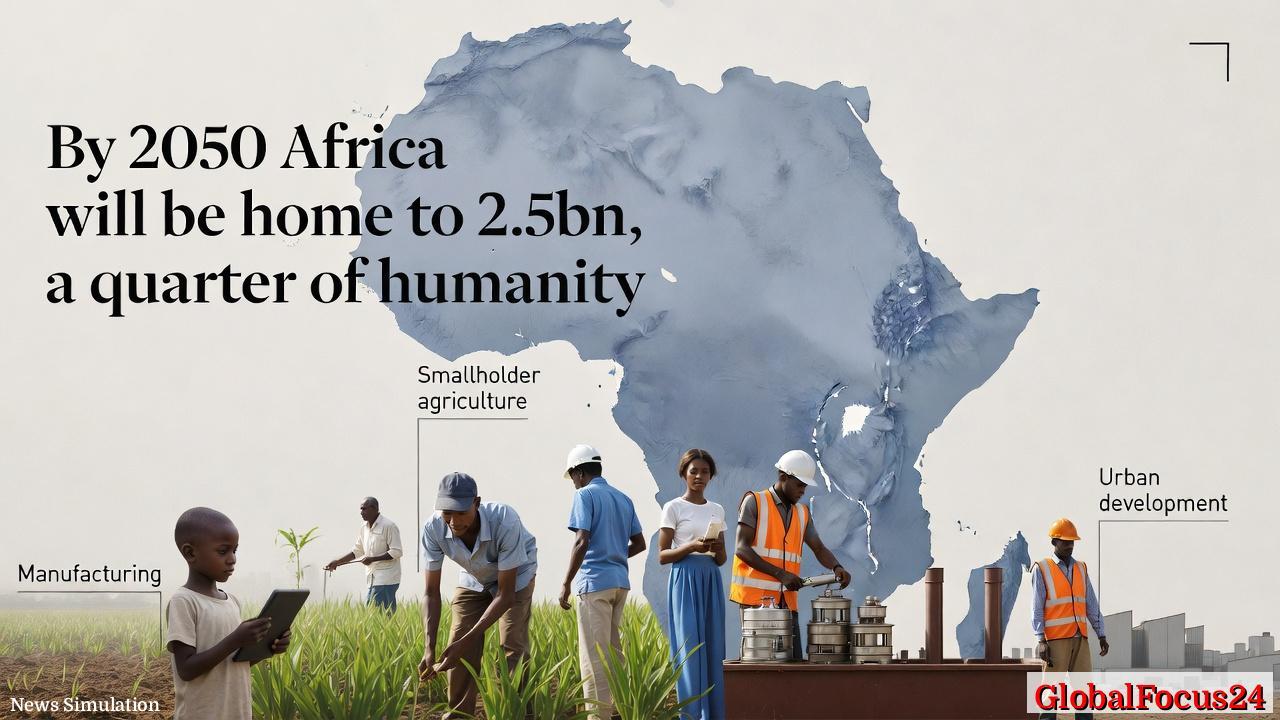
- Population dynamics: Africa’s population is young and rapidly growing. By mid-century, projections place the continent at roughly 2.5 billion people, representing about a quarter of the global population. This demographic dividend could be a powerful engine for growth if harnessed through education, health, and job-creating industry.
Key principles drawn from Asia’s experience, adapted for Africa
- Growth through productivity, not just resources: While Asia benefited from resource endowments in some countries, its long-run growth depended on raising productivity across sectors—agriculture, manufacturing, and services—through technology, infrastructure, and human capital development.
- Industrialization with a developmental focus: Strategic industrial policies can promote export-oriented manufacturing, supported by a reliable logistics network, quality standards, and access to affordable finance.
- Land mobility and agricultural modernization: Reforms that secure productive land use, support smallholders, and boost farm productivity can expand food security, increase rural incomes, and create a base for agro-processing industries.
- Efficient finance that rewards productive investment: Financial systems that channel capital to productive ventures—rather than speculative activities—are crucial for building modern firms, scaling small and medium enterprises, and financing infrastructure.
Economic impact: channels through which policy choices could reshape Africa’s economy
- Agriculture to industry transition: By upgrading smallholder agriculture with modern inputs, extension services, research, and market access, farmers can free labor for higher-value economic activities, enabling a broader industrial base.
- Export-oriented manufacturing: Establishing competitive export sectors requires coordinated policy tools—decent energy supply, reliable ports, predictable trade rules, and compliance with international standards. A successful model blends domestic market development with access to global markets.
- Urbanization and productivity: Accelerated, well-managed urbanization can concentrate demand, attract investment, and improve access to services. Cities become hubs for logistics, manufacturing clusters, and digital services, provided governance, housing, and transport challenges are addressed.
- Human capital and inclusive growth: Education, health, and skills training create a workforce capable of adopting and innovating new technologies. Inclusive growth reduces inequality, strengthens social stability, and broadens consumer markets.
Regional comparisons: lessons from Botswana, Mauritius, Ethiopia, and Rwanda
- Botswana and Mauritius as benchmarks: These countries demonstrate how governance, prudent resource management, and export-led strategies can yield stable growth. Botswana’s disciplined fiscal policy and diamond revenue management, combined with investment in education and infrastructure, supported steady development. Mauritius built diversified services and manufacturing sectors anchored by a favorable business environment and credible institutions.
- Ethiopia and Rwanda reveal both promise and risk: Infrastructure investment and agricultural reforms have spurred progress in several indicators. However, political dynamics, ethnic tensions, and governance challenges can affect policy continuity and investor confidence. These cases underscore the importance of durable institutions and inclusive development coalitions to sustain momentum.
The concept of developmental coalitions
- Coalition-building among stakeholders: The book emphasizes the need for “developmental coalitions” that align governments, private sector actors, farmers, and civil society around common development goals. Such alliances can mobilize resources, align incentives, and reduce the likelihood of policy volatility.
- Guardrails against elite capture: Strong institutions, transparent governance, and accountability mechanisms are essential to ensure that growth benefits spread broadly rather than concentrating in a narrow elite circle.
- Conflict avoidance and capacity building: Political stability and robust administrative capacity are foundational for implementing long-term, sector-spanning reforms.
Policy implications for governments and investors
- Craft tailored land and agricultural reforms: Policies should enhance productivity for smallholders without displacing livelihoods. This might involve secure land tenure, access to credit for farm inputs, extension services, and support for value-added activities in rural areas.
- Develop export-oriented manufacturing with standards: Governments can incentivize export readiness through targeted subsidies, industrial parks, and investment in energy reliability, while enforcing quality and safety standards to integrate with global value chains.
- Accelerate infrastructure and logistics: Reliable electricity, roads, rail, and port facilities reduce production costs and improve regional competitiveness. Public–private partnerships can mobilize expertise and capital.
- Strengthen financial ecosystems for productive investment: Regulatory clarity, credit guarantees, and support for venture and SME financing help channel capital toward productive ventures. Financial inclusion expands the base of entrepreneurs who can participate in industrialization.
- Invest in human capital with a long horizon: Early childhood development, primary and secondary education, and accessible higher education and vocational training create a pipeline of skilled workers ready for modern industries and services.
Public sentiment and regional resilience
- Public reaction to reform: Large-scale reforms can meet resistance from groups who fear disruption or who benefit from the status quo. Policymakers should pair reforms with transparent communication, social protection, and inclusive planning to maintain social cohesion.
- Regional diversity and tailored approaches: Africa’s regions vary in resource endowments, infrastructure, and governance contexts. A one-size-fits-all strategy is unlikely to succeed; policies must be adaptable to local conditions while pursuing shared structural objectives.
Conclusion: a pragmatic, optimistic vision for Africa’s growth The book argues that Africa stands at a historic juncture. With a growing, youthful population and expanding urban centers, the continent has the potential to evolve from a landscape of untapped opportunity into a dynamic arena for global trade, innovation, and production. By learning from Asia’s development arc—then shaping those lessons to fit Africa’s distinctive context—policies can drive productivity, create jobs, and lift millions out of poverty. The path forward requires durable institutions, broad-based coalitions, and a commitment to inclusive growth that expands opportunity across rural and urban communities alike.
In sum, Africa’s economic ascent may hinge less on chasing a single blueprint and more on building a flexible, integrated approach: modernizing agriculture, developing competitive manufacturing and services, investing in people and infrastructure, and aligning public and private interests through transparent, accountable governance. If these elements come together, the continent could redefine its role in the global economy, turning demographic potential into sustained prosperity.