AVN Expo 2026: AI, Authenticity, and the Future of an Industry Shaped by Tech
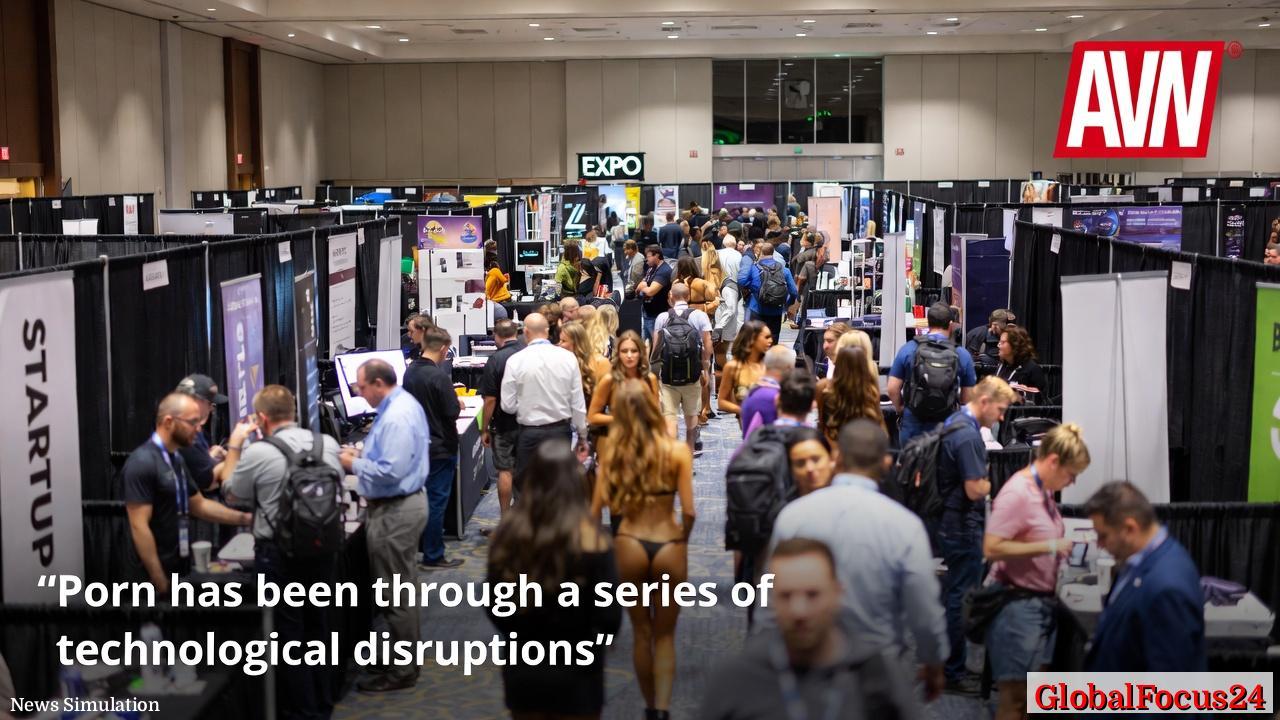
Across the neon-lit corridors of Las Vegas’s convention center, the annual AVN Expo unfolded with the familiar rhythms of a large trade gathering: lanyards clinking, coffee steam rising, and the hum of conversations about market trends, production workflows, and audience demand. Yet beneath the familiar palette of booths and swag, a central question defined the atmosphere: how will artificial intelligence reshape a $100 billion adult-entertainment industry that has shown remarkable resilience through prior technological waves?
Historical context: disruption as a constant in adult entertainment
The industry’s history is entwined with technological revolutions that rewrote distribution, production, and consumer expectations. In the late 20th century, pay-per-view and the emergence of home video models created a mass-market appetite for private access. The early 2000s delivered broadband, enabling streaming and the rapid growth of digital platforms that democratized content creation. Later, platforms that allowed creators to monetize directly—subscription models, fan clubs, and paywalled studios—redefined revenue streams and control. Each shift did not merely-elicit new entrants; it also raised questions about labor, compensation, and the value of authenticity.
In this context, the AVN Expo has served as a barometer for industry-wide sentiment about change. The event has long been a showcase for the juxtaposition of high-production studios with independent creators who plough through negotiating rights, distribution channels, and branding challenges. The 2026 edition sits at a pivot point where the emphasis on technology’s promise sits side by side with a call for preserving core human elements that have historically set the industry apart.
Economic impact: balance between automation, production efficiency, and human labor
The sheer size of the industry—estimated to approach or exceed $100 billion globally—means that even marginal shifts in production or distribution can ripple through adjacent markets, including camera technology, post-production services, marketing platforms, and talent services. AI’s entrance is not simply about replacing tasks; it’s about reconfiguring workflows, accelerating content generation cycles, and offering new ways to tailor content to niche audiences at scale. This has immediate implications for:
- Talent compensation models: As AI-generated content becomes more capable, studios and independent creators are assessing how to price, license, and differentiate works that rely on human performance versus synthetic generation. Yet, many performers and producers emphasize the premium value of genuine presence, nuanced emotion, and physical interaction—elements that remain difficult for AI to replicate convincingly at scale.
- Production efficiency: AI-assisted editing, synthetic background environments, and automated metadata tagging can reduce post-production time, lower costs, and improve discovery through smarter recommendation systems. These efficiencies can shift capital toward more ambitious projects, enabling creators to experiment with higher production values and more diverse storytelling.
- Distribution ecosystems: The rise of AI tools intersects with dynamic pricing, targeted marketing, and content moderation. Platforms face ongoing challenges around rights management, attribution, and safety standards as AI-generated content enters the catalog alongside traditional works.
- Talent services and training: As AI becomes more integrated, the market for coaching, coaching simulators, and performance analytics is likely to expand. Talent agencies, studios, and unions may negotiate new frameworks that protect performers’ rights while still leveraging technological advances to optimize production pipelines.
Regional comparisons: pacing the AI transition in different markets
Las Vegas serves as a focal point for U.S. industry professionals, but the AI transition is a global conversation. In North America, where regulation and labor law shape production models, studios are experimenting with hybrid workflows that combine human shoots with AI-assisted post-production. European markets, with strong safety and consent frameworks along with robust performers’ unions, tend to approach AI adoption with a focus on consent, metadata governance, and transparent usage rights. In parts of Asia, rapid digital infrastructure and consumer demand drive accelerated experimentation in virtual performances and assisted simulation, prompting discussions about cross-border licensing and cultural considerations.
These regional dynamics influence strategic decisions at the expo. For instance, panels on AI and performance rights explored how clear licensing terms for AI-generated likenesses could coexist with traditional acting contracts. Discussions about data governance, consent, and the ethical use of performers’ likenesses reflect broader conversations taking place in digital media industries worldwide. The consensus emerging from multiple sessions is not simply “more AI is better,” but rather “AI must be governed, trained, and deployed in ways that preserve fair labor practices and transparent rights ownership.”
Technological landscape: what AI brings to the table
The expo highlighted a spectrum of AI-powered innovations, from content generation and editing tools to audience analytics and fan-engagement platforms. In practical terms, AI can:
- Augment creation workflows: Automated scene planning, lighting suggestions, and initial storyboard generation can speed up pre-production and enable creators to iterate rapidly while maintaining a consistent artistic vision.
- Enhance post-production: AI-driven editing, color grading suggestions, and audio clean-up can streamline workflows, freeing time for performers and directors to focus on performance quality and storytelling nuance.
- Personalization at scale: Recommendation engines and viewer segmentation allow studios to tailor content recommendations to individual tastes, increasing viewer retention and lifetime value.
- Safety and compliance: AI can aid in content moderation, age verification, and consent tracking, which are critical in a sector that must navigate regulatory and platform-specific requirements.
At the same time, there is a clear recognition that AI is not a mere plug-and-play solution. The industry’s unique demand for authenticity—the sense of presence and emotional resonance that a real performer brings to a scene—remains a differentiator. Performers and producers alike underlined that AI-generated content works best when it complements human talent rather than replaces it entirely. The emotional complexity and physical nuance of human performance—timing, touch, micro-expressions—are areas where AI still struggles to match lived experience.
Public reaction and the role of authentic experiences
Fan engagement in adult entertainment has always thrived on connection and immediacy. Even as platforms push for infinite content and rapid consumption, a segment of fans expresses a hunger for genuine encounters and personal engagement that technology cannot fully fake. This has two practical implications for the industry:
- In-person experiences endure as a premium offering: Live appearances, meet-and-greet sessions, and intimate events can command higher ticket prices and create a sense of exclusivity that AI cannot replicate. These events serve not only as revenue streams but also as focal points for cultivating loyalty and community around performers.
- Brand trust and consent culture: Audiences increasingly demand clear disclosures about whether a model is AI-generated or human-produced. Transparent labeling and consent-based content creation practices can build trust with viewers who are investing in authentic experiences, even within a regulated market.
As the expo wound down, the sense of urgency was palpable in both exhibitor aisles and panel discussions. The industry has faced upheaval before—from the rise of streaming to the consolidation of platforms—and it has consistently found ways to adapt while preserving core human elements that connect performers with fans. The current inflection point, driven by AI, is arguably the most consequential yet. It invites a recalibration of talent rights, a rethinking of creative workflows, and a renewed emphasis on experiences that technology cannot replace.
Cultural and societal context: balancing innovation with ethical considerations
The discourse at the expo reflected a broader societal emphasis on responsible AI use. Stakeholders stressed the importance of consent, data governance, and the ethical implications of likeness rights. The industry’s approach to these issues mirrors debates in other media sectors, where the tension between innovation and protection of creative and labor rights remains a central theme.
From a cultural perspective, AI’s maturation prompts questions about representation, inclusion, and access. The industry has a history of championing diverse talent and styles, and AI developments raise opportunities to broaden access to resources, tools, and distribution networks for underrepresented creators. However, this potential can only be realized with thoughtful governance, equitable licensing, and transparent revenue-sharing models that ensure performers, writers, and other contributors are fairly compensated for AI-enabled outputs that build upon their original work.
Awards and culmination: signaling ongoing prestige and adaptation
The expo’s awards ceremony, long described as the industry’s Oscars, underscored the dual themes of tradition and transformation. While recognizing outstanding achievements in production, artistry, and technical innovation, the event also highlighted emerging talents who are pushing the boundaries of what is possible with AI-assisted storytelling. The accolades served as a reminder that, even in a rapidly evolving landscape, excellence in craft, originality, and audience connection remains the currency of prestige.
Looking ahead: strategic implications for studios, platforms, and performers
- For studios and production houses: Invest in hybrid pipelines that leverage AI to streamline repetitive tasks while prioritizing human-centric storytelling. Build licensing frameworks that clearly define the use of performers’ likenesses and consent-based content creation.
- For platforms and distributors: Emphasize transparent labeling, consent governance, and rights management tools that can accommodate both AI-generated and human-produced content. Focus on discovery mechanisms that respect user preferences for authenticity versus synthetic content.
- For performers and talent unions: Engage in proactive negotiations around fair compensation, credit, and control over likeness usage in AI-generated works. Prioritize training and upskilling that enable performers to work effectively within AI-augmented workflows.
- For regulators and policymakers: Monitor evolving models of digital labor, rights ownership, and consumer protection in AI-enabled content markets. Encourage industry-wide standards for transparency and consent to safeguard performers and audiences alike.
Conclusion: navigating the intersection of art, technology, and labor
The AVN Expo 2026 painted a portrait of an industry standing at a crossroads. AI promises efficiency, new creative modalities, and expansive reach—but it also raises fundamental questions about labor, authenticity, and consent. The voices of performers underscored a timeless truth: while technology can replicate images and automate processes, the magic that sustains audience engagement ultimately rests on human connection. The most enduring projects may emerge from partnerships that fuse artificial intelligence’s capabilities with the irreplaceable nuance of real performance.
In this moment, the industry’s path forward will likely be defined by how well studios, platforms, and talent communities can craft governance structures that protect rights, reward creativity, and preserve the human touch that fans purportedly seek. The expo’s closing awards ceremony captured the sentiment: in an era of rapid technological change, resilience comes from celebrating both innovation and the enduring power of authentic, human presence. The next chapter will hinge less on technology’s novelty and more on how effectively a diverse ecosystem can steward its use in ways that honor performers, satisfy audiences, and sustain an economically vibrant industry for years to come.