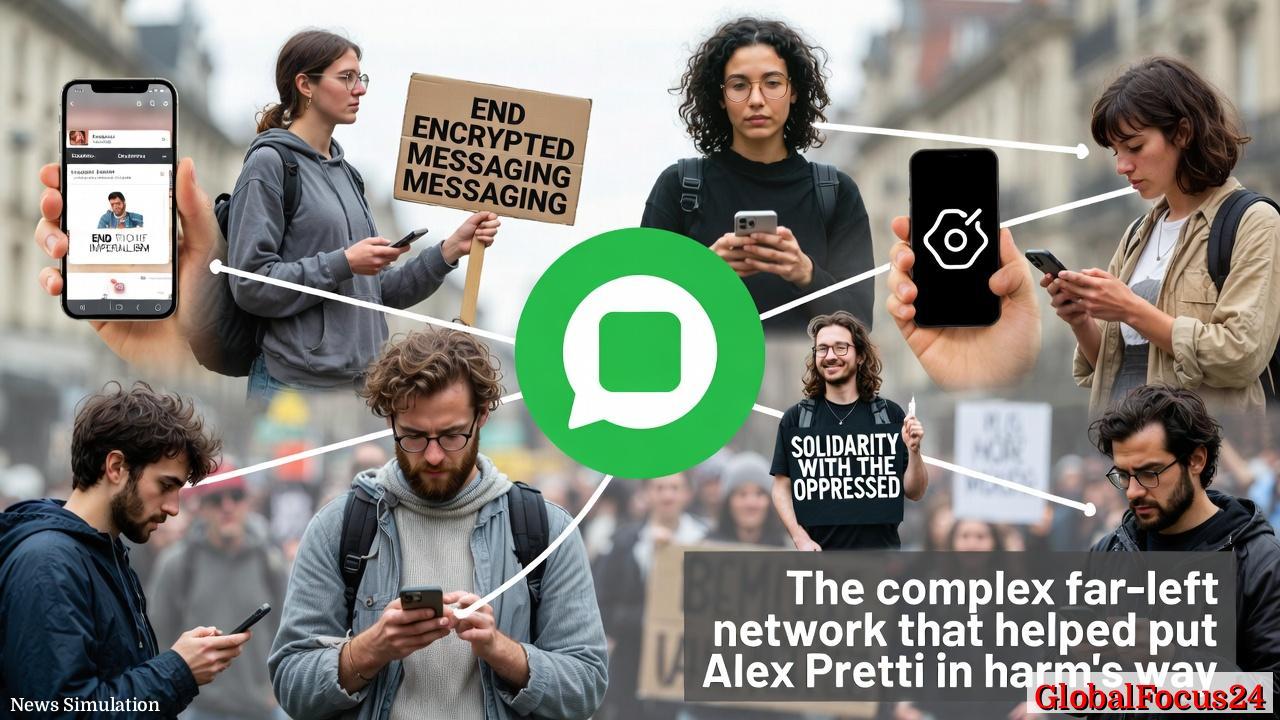
)Complex Online Networks and Local Risk: A Look at Redefining Activism, Safety, and Community Response
The evolving landscape of digital activism intersects with real-world consequences in ways that illuminate both the power and peril of organized online networks. This article examines historical context, economic implications, and regional dynamics surrounding activist infrastructure, encrypted communications, and street-level alert systems, with particular attention to how communities in California’s Silicon Valley region experience these phenomena.
Historical Context: From Street Corners to Cyber Corridors
- In the late 20th and early 21st centuries, grassroots movements increasingly relied on a mix of on-the-ground organizing and digital coordination. The shift expanded the reach of actions beyond traditional meeting rooms to chat rooms, encrypted messaging apps, and rapid-response networks. This history helps explain today’s hybrid structures, where offline activity is synchronized through online channels, creating a continuous feedback loop between real-world events and online mobilization.
- The evolution of secure communication tools—designed to preserve privacy and speed up coordination—has altered how groups plan, announce, and respond to events. Where once a flyer or a town hall meeting set a campaign’s tempo, now real-time chat groups and alert systems can mobilize participants within minutes or hours. This development raises questions about oversight, safety, and the potential for miscommunication to escalate risk, particularly when events unfold quickly near densely populated regions.
- Historically, local communities have learned to balance open civic engagement with the need for safety and lawful conduct. As digital networks become more sophisticated, municipalities and civil society groups have increasingly emphasized transparent communication, clear guidelines for protests or demonstrations, and channels that reduce the chance of misinterpretation or unintended harm. Understanding this balance is essential for interpreting current events where online coordination intersects with physical safety concerns.
Economic and Social Impact: Local Markets, Public Services, and Public Perception
- The presence of sophisticated online networks can influence local economies by shaping how residents engage with businesses, cultural institutions, and public services. For example, rapid-response groups may organize to advocate for or against policy changes that affect local redevelopment, transportation funding, or community policing practices. In turn, local merchants and service providers adjust staffing, hours, and security considerations in response to fluctuations in crowd dynamics and event-related traffic.
- Public-safety costs can rise when online activism translates into organized demonstrations or flash mobilizations. Municipal budgets may need to allocate more resources to traffic management, crowd control, and emergency medical services. Communities with robust volunteer networks can mitigate some costs by coordinating with neighborhood associations and official channels to streamline responses and reduce duplicate efforts.
- Regional comparisons reveal different approaches to balancing free expression with public safety. Some areas implement robust community liaison programs, clear permitting processes for demonstrations, and early-warning communication systems to inform residents of planned activities. Other regions face challenges when inconsistent guidelines or ambiguous enforcement create confusion or erode trust among residents and visitors.
Regional Context: Santa Clara County, California, and Wider Implications
- The San Francisco Bay Area, including Santa Clara County, has long been characterized by a dense concentration of tech firms, universities, and diverse populations. This environment fosters rapid information dissemination and dynamic protest cultures, where online networks often intersect with campus activism, labor movements, and community organizing. The result is a complex ecosystem in which digital platforms can quickly mobilize large, geographically dispersed groups.
- Local officials in the region have emphasized collaboration with community groups to establish norms for peaceful assembly, safe travel, and respect for public spaces. These efforts aim to preserve economic vitality while ensuring that demonstrations remain lawful and nonviolent. In practice, this means clear routes for pedestrians and vehicles, accessible public transit options, and dedicated staffing to respond to incidents without escalating tensions.
- Comparisons with other metropolitan areas show varying outcomes based on governance models, public communication strategies, and investment in community outreach. Cities that prioritize transparent communication and inclusive dialogue tend to experience smoother coordination during large gatherings. Conversely, areas with limited channels for feedback and slower response times may see heightened anxiety and greater potential for confrontations.
Safety, Accountability, and the Role of Technology
- Encrypted chats and alert networks can be powerful tools for safety, enabling organizers to share real-time information about potential hazards, weather changes, or police activity. When used responsibly, these tools can reduce risk for participants and bystanders alike. However, encryption can complicate law enforcement and public-safety efforts if it hinders timely access to information during critical moments.
- Public accountability remains crucial. Communities benefit when organizers establish codes of conduct, publish contact points for incident reporting, and participate in constructive dialogue with local authorities. Transparent leadership and documented decision-making help maintain trust, especially when incidents occur near schools, hospitals, or commercial districts.
- Technology-driven networks also raise concerns about misinformation and unintended consequences. Vigilant communities invest in media literacy initiatives, fact-checking mechanisms, and official channels that provide verified updates to counter rumors and prevent misinterpretation that could lead to unnecessary risk or violence.
Public Reaction and Cultural Resonance
- Public sentiment often develops rapidly in response to events amplified by online networks. Residents may express a wide range of views, from calls for reform and accountability to concerns about safety and disruption. Community forums, neighborhood associations, and local media play a critical role in shaping perception and providing context to fast-moving developments.
- In regions with vibrant protest cultures, there is a natural tension between the desire to exercise civil liberties and the need to protect everyday life for nonparticipants. The most effective responses tend to include advance planning, accessible information hubs, and clear messaging that emphasizes safety, inclusivity, and peaceful engagement.
- Public reaction is also influenced by the visible landscapes of demonstration zones, with streets, transit hubs, and business districts serving as backdrops for both solidarity and tension. The sensory reality of these environments—noise, traffic, and crowd density—adds urgency to the information that local authorities and organizers provide to residents and visitors.
Policy and Governance: Shaping the Future of Digital-Physical Activism
- Policymakers are increasingly examining how to regulate digital coordination tools without stifling legitimate expression. This includes evaluating privacy protections, platform responsibility for content, and the balance between encryption benefits and the public’s need for timely information during emergencies.
- Governance models that succeed in this space typically center on collaboration: between city agencies, campus security, community organizations, and residents. Joint preparedness plans, shared dashboards for incident reporting, and mutual-aid agreements help communities respond more effectively to incidents that spill into public life.
- Investments in infrastructure—such as improved public transit, safe pedestrian corridors, and enhanced public-safety communications—support both the peaceful exercise of rights and the practical realities of living in a busy, tech-forward region. These investments also reinforce the region’s reputation for resilience and adaptability in the face of evolving activism.
Illustrative Examples and Lessons Learned
- Across several high-density regions, the interplay of online organization and street-level activity has underscored the importance of proactive communication, early risk assessment, and post-event debriefing. Communities that prioritize pre-event briefings, clear rules of engagement, and accessible channels for feedback tend to experience more predictable outcomes and lower incidents of violence or property damage.
- The use of real-time alert systems during protests has demonstrated value in guiding participants away from danger zones and in informing nonparticipants about traffic disruptions or transit changes. When these systems operate in conjunction with established emergency response protocols, they contribute to a more coordinated and safer environment.
- Historical patterns show that transparency and accountability remain central to maintaining public trust. When authorities and organizers share information openly and promptly, communities are more likely to respond with calm, cooperation, and constructive engagement—even amid disagreement.
Conclusion: Navigating a Digital-Physical Tapestry
- The complex networks that support modern activism—encompassing encrypted chats, street alerts, and real-time coordination—reflect a broader shift in how communities organize, respond, and engage with public life. While these tools offer enhanced safety and mobilization capabilities, they also introduce new challenges around safety, misinformation, and accountability. Balancing innovation with practical safeguards will require ongoing collaboration among residents, local governments, and civil society organizations.
- In the Santa Clara Valley and broader Bay Area, the lesson is clear: robust safety frameworks, transparent communication, and inclusive dialogue are integral to sustaining a healthy civic ecosystem where expression and public order coexist. As digital networks continue to evolve, communities that invest in preparedness, education, and collaboration will be better positioned to harness the benefits of connected activism while mitigating risks for neighbors and visitors alike.